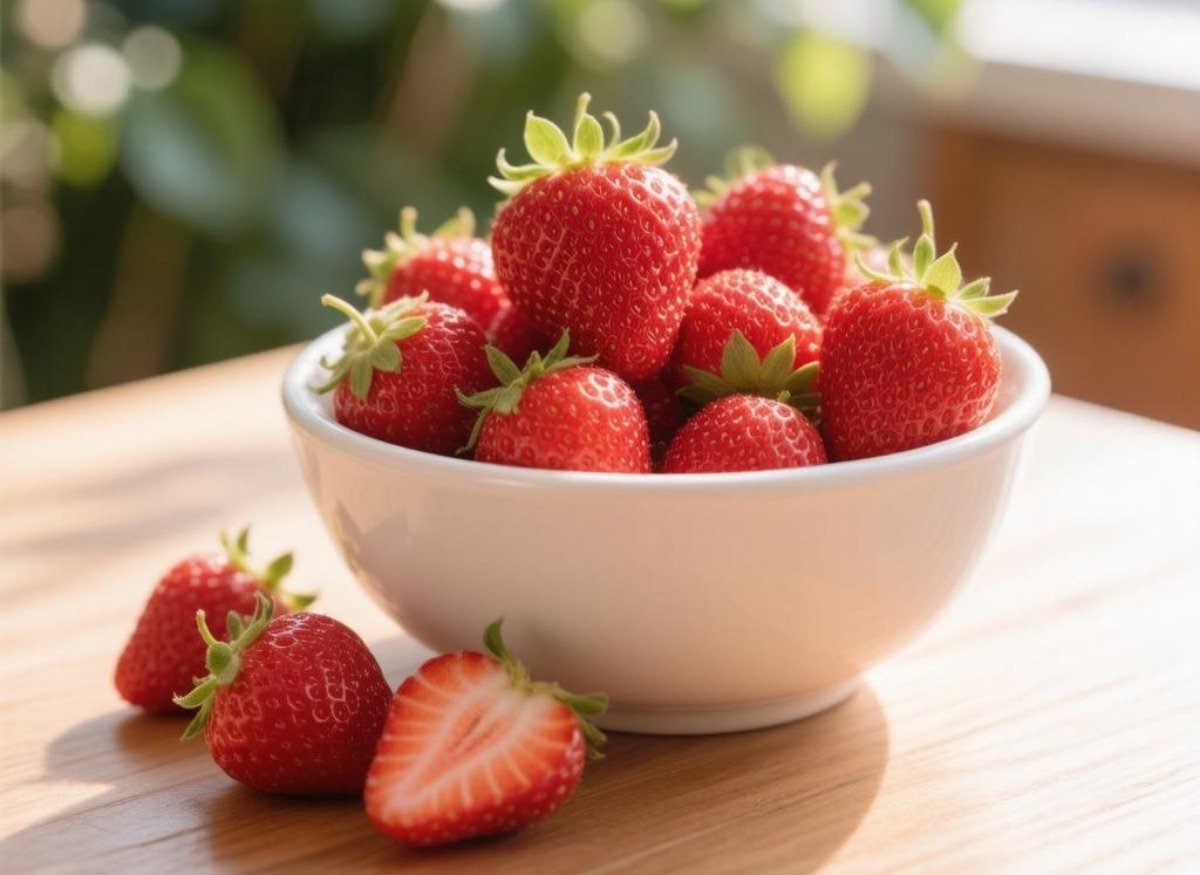
Mid-June is the peak season for strawberries, raspberries and cherries. But the situation is familiar: you bring a full basket of fragrant berries, and two days later half of them are already covered with white fluff or have turned into mush. And again money down the drain. But it's not about the sellers or the weather. We spoil everything ourselves, right at home, by performing one habitual action immediately after purchase.
Why do berries spoil faster than we eat them?
Many people, by inertia, wash the entire harvest at once, put it in plastic containers and tightly close the lid, sending it to the refrigerator. This is a fatal mistake. The berries are porous and instantly absorb moisture. The water remaining on the surface, combined with the lack of air circulation, creates an ideal “greenhouse” for the proliferation of mold spores, which are already present on the skin in microscopic quantities.
Dry Fresh Method: 4 Steps for Long-Term Storage
In order for the berries to remain elastic and bright for up to 7–10 days, it is enough to change the algorithm for processing them before putting them in the refrigerator:
- Vinegar bath. Dilute 1 part table vinegar (9%) in 3 parts cool water. Dip the berries into the solution for literally 1-2 minutes, gently turning them with your hand.
- Thorough drying. This is the most important stage. Place the berries in a single layer on paper or waffle towels. Let them dry completely at room temperature. Don't be afraid of the smell of vinegar: after drying, it completely disappears without affecting the taste.
- Correct container. Use a container with holes for ventilation or a regular cardboard berry box. Plastic with a tight lid is prohibited.
- Spacer layers. If there are a lot of berries, place them in no more than two layers, lining each row with a dry paper towel. It will absorb condensation that inevitably forms in the refrigerator.
Why does this method work?
Acetic acid acts as a mild natural fungicide: it instantly neutralizes mold spores and bacteria on the surface of the peel without damaging the berry itself. Paper towels act as a buffer, absorbing excess moisture, and ventilation prevents the temperature inside the container from rising. As a result, decay processes simply cannot start.
From personal experience
I used to wash strawberries right after the market and after a couple of days I would sadly throw away half the basket, covered in mold. As soon as I started making a vinegar bath and drying the berries on towels before storing, the situation changed dramatically. Now I can easily shop for future use, and even after a week the strawberries remain firm, sweet and absolutely fresh.