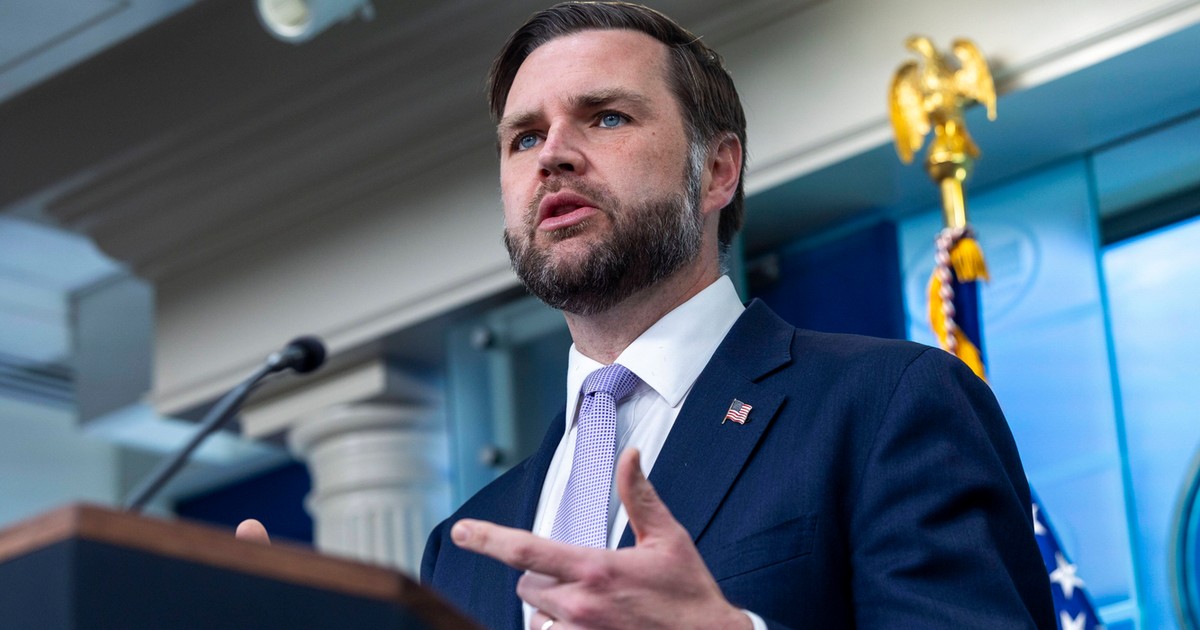
Vance spoke about the details of the preliminary agreement in an interview for CNBC television. The Vice-President referred to reports suggesting a different scenario and emphasized that the strategic sea route was to remain accessible to ships without the need to pay any fees. He added that negotiators will clarify this element during technical talks.
“We expect the strait to be open on a long-term basis, free of charge, and that's what we will agree on in these technical negotiations,” he said.
Vance admitted that negotiators still have many issues to agree on in the next 60 days. The most important of them is Tehran getting rid of its accumulated stocks of enriched uranium. However, the politician maintained that the Americans were entering these talks from a much stronger position than the other side.
— They want access to an unsanctioned economy? “Okay, we're open to that, but it would require a long-term commitment to the inspection and verification system,” Vance said. — Basically, we have the advantage, we have diplomatic, economic and military leverage, but we are also extending an open hand to the Iranians, saying: if you negotiate in good faith and make a long-term commitment not to develop nuclear weapons, we will make sure that your country succeeds. However, if you refuse to help us, we will continue to exert the pressure that we are witnessing, especially in the economic sphere, and this will be harmful to them, and in fact it will be harmful to the entire region, he added.
A weakened Iran in the White House's balance sheet
According to the vice president, even stopping the negotiation process in its current form would mean significant gains for the United States. Vance listed specific benefits he believed the war had brought. He pointed to the weakening of the Iranian armed forces and the attack on the country's nuclear infrastructure.
- This is how the market reacts to the US-Iran agreement. This is visible in oil prices
— Their army is destroyed, the Strait of Hormuz is open, their nuclear program is destroyed, and we have an incredible economic advantage over them that we didn't have a year and a half ago. So we have a big advantage here, but we also have a president who tells them: 'We extend an open hand to them,' he argued.
Israeli criticism of the Iran deal
Vance also commented on the concern the agreement has caused in Israel. Parts of the local political scene fear that the agreement will not stop Iran from developing nuclear weapons and will weaken Israel's position in the region. However, the vice president argued that a significant part of Israeli politicians supported the negotiated arrangements. He attributed the critical voices to Iranian disinformation, which – in his opinion – falsifies the content of the agreement, including the inspection conditions and Tehran's obligations.
- This is what the agreement between the US and Iran will look like. 14 points
— What's interesting is that Iran's state media – sometimes hardliner elements – are targeting the domestic audience and trying to sell the agreement, and in the process, frankly, falsifying it. And then certain elements of the Israeli media pick up on it, he said.
A breakthrough in US-Iran relations
Vance also revealed who will represent Iran at the signing ceremony in Switzerland. The Speaker of Parliament, Mohammed Ghalibaf, and the Minister of Foreign Affairs, Abbas Aragchi, will fly to Europe. The politician assessed that direct talks between Washington and Tehran led to a fundamental change in the relations between the two countries.
— You see people, both radical and more politically correct, who say that their relationship with the United States for the last 47 years was a mistake to start over. “Of course we'll see if that's what they really think, but if they're ready to change, the president of the United States has said we want them to be a successful country,” Vance said.