“The future has a long past”…
The Babylonian Talmud
Near us, in Ukraine, an event took place whose value and symbolism far exceeds the present and can shape a future totally broken from the centuries-old civilizational traditions of the peoples of Slavic origin living in that space.
AFP PHOTO
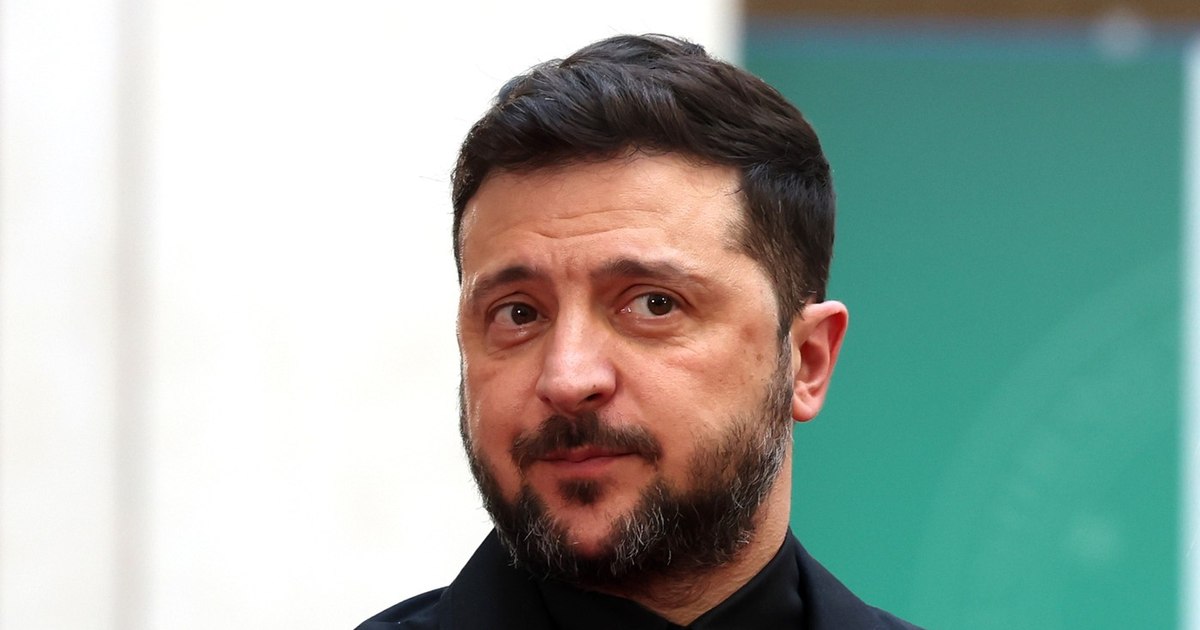
What is it about? As an expression of a phenomenon called “linguistic loyalty” that the citizens of a country must show, President Zelensky signed a law withdrawing the Russian language from its “protected language” regime, the intention being “to protect the Ukrainian linguistic space” and, as Ruslan Stefanchuk, the speaker of the Kyiv Parliament, said, it represents yet another signal of the deep break with Russia because “the language of an aggressor state cannot benefit from the protection instruments designed to support the language of indigenous peoples and national communitiesIt is, at the same time, a signal of strength because it is the first major step taken after the announcement made by European officials regarding the official opening of the first sector of accession negotiations.
Of course, it is not a matter of banning the Russian language, but the practical application of this law will mean that the state is no longer obliged to offer public services in the Russian language and, which is extremely important for shaping the future in a certain direction, it can always restrict the use of the Russian language in schools, among the reasons cited being “the justice and linguistic security of Ukraine”, as the president of the Ukrainian Parliament pointed out.
Ruslan Stefanchuk
June 12 at 7:54 p.m ·
The President of Ukraine signed Law no. 4699-IX – important decision to protect the Ukrainian linguistic space and fulfill our European obligations.
The Russian language is removed from the list of languages to which Ukraine applies the provisions of the Charter. This is a fair and exemplary decision. The language of the aggressor state cannot use protection tools designed to support the languages of indigenous peoples and national communities.
Ukraine defends the state language, respects linguistic and cultural diversity, and removes the Russian imperial influence of the privileges it has abused for years.
This decision concerns the dignity, justice and linguistic security of Ukraine. A new one casus belli for Russia especially since protecting Russian speakers in Ukraine was one of the officially stated reasons for the invasion? Certainly yes because the Pan-Slavism now reborn with violence and on which the messages of those who defend the Kremlin's decisions are based (starting with the pathetic pleas of Patriarch Kiril and the ideologue Dugin) who argue the need for Moscow to restore the old power geography of Mother Russia in which Kiev was considered the “Mother of Russian cities” as the chronicler Nestor put it in the 13th century. Undeniable historical fact, the same as the moment in 988 when Prince Vladimir the Great adopted Orthodox Christianity in Kiev.
It remains to be seen what will be the practical consequences of the law and what could be the calculated consequences in possible ethnic tensions translated or superimposed on what is already the battle between the Orthodox confessions that have separated quite violently, based on the recognition of the supremacy of the Patriarchate of Moscow or the Patriarchate of Constantinople.
The list of protected languages has always been a source of political tensions between Ukraine and several states, as Romania also knows well, which saw how only in 2023 the “Moldovan language” was removed from that list and replaced by the Romanian language which now benefits from the status of a protected language alongside Belarusian, Bulgarian, Gagauz, Crimean Tatar, Polish, Slovak, Rroma, Hungarian, Czech and Yiddish.
It was inevitable that the war would end up producing such debates. If you are interested in an in-depth study on this topic in Ukraine, you can find here https://hal.univ-lyon2.fr/hal-04923622/the document made by Natalia Shevshchenko, very realistically titled “Language as a pretext for war”. Finally, this is it: starting from a normal problem, that of the respect due to the national language, one can end up from sin to a pretext used, amplified by the politicians who very quickly turn it into an argument for justifying the entry into the conflict, an invasion, destruction and large-scale ethnic manipulations. Thus, the future will indeed have a long past made up of episodes now more and more full of mutual intolerance, accumulations of hatred and weapons, all doubled by the agitation of orthodox religious symbolism fighting with brothers of the same denomination.
Tragic result of war carefully cultivated so that its fire never goes out.