The European Commission is proposing a major change for the way we travel by train in Europe: a single ticket for the entire journey, even when it involves several operators from different countries. The initiative comes to simplify today's fragmented bookings and offer passengers full protection throughout the route, including in the event of delays and lost connections.
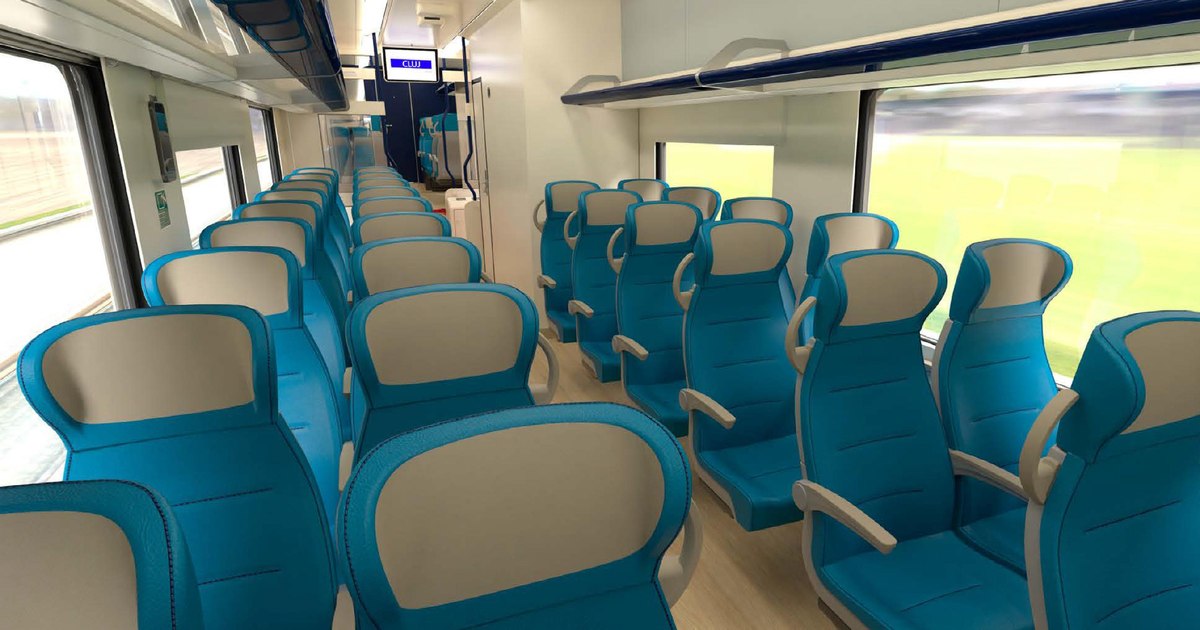
A single train ticket for travel within the EU. Archive photo
The European Commission has proposed new rules aimed at making seamless travel in Europe a reality. The three recently adopted initiatives aim to simplify the planning and booking of regional, long-distance and cross-border journeys, especially for rail transport involving multiple operators. At the same time, they aim to ensure a stronger protection of passengers' rights throughout the journey.
Currently, comparing all travel options and identifying the most efficient and sustainable routes remains difficult for European Union passengers, especially for international train tickets. Many travelers encounter difficulties when they have to combine different transport services. Booking multi-leg rail journeys operated by different companies is often complicated due to fragmented ticketing systems and the dominance of some national operators. In addition, passenger protection is limited when the journey involves separate tickets from different operators.
Single ticket even if there are several railway operators
The proposals adopted by the European Commission respond to these problems and implement the political guidelines of the President of the European Commission, Ursula von der Leyen. To create a simpler and more coherent travel experience and to support the European Union's climate goals, the Commission proposes to introduce the possibility to book a “single ticket” covering several rail operators. Thus, the European rail market becomes more transparent and accessible.
Passengers will be able to search, compare and purchase combined services from different rail operators in a single transaction, in the form of a single ticket. It will be able to be bought through a platform of your choice — either an independent ticketing platform or a rail operator's sales system.
In the event of loss of connections during a multi-operator journey, passengers holding a single ticket will benefit from full protection of their rights. This includes support, redirection, refund and, where appropriate, compensation.
New obligations for ticketing platforms
The Commission also introduces new obligations for ticketing platforms and transport operators to ensure fair access to ticket sales and a neutral presentation of travel offers. Platforms will have to display the options in a transparent and non-discriminatory way, including through objective criteria such as travel time, price or, where possible, the impact on greenhouse gas emissions. The rules will also guarantee that transport operators can conclude fair, reasonable and non-discriminatory commercial agreements with ticketing platforms.
CFR Călători implements card payment directly on the train. Which are the trains that benefit from the new solution
In parallel, the Commission also adopted a report on the implementation of the Regulation on the rights of passengers in rail transport, highlighting the progress made since June 2023. The report shows that Member States have strengthened the protection of passengers, including through clearer rules on the transport of bicycles and better information for passengers, as well as by reducing the number of applicable exceptions. At the same time, persistent challenges are highlighted, in particular the lack of integrated tickets for cross-border journeys involving multiple operators.
Next steps
The European Commission will forward the legislative proposals to the Council of the European Union and the European Parliament, for examination within the ordinary legislative procedure.
In order to enable seamless and integrated reservation systems, Member States are also encouraged to accelerate the implementation of the Intelligent Transport Systems Directive, in particular with regard to the exchange of multimodal transport data through national access points.
A recent Eurobarometer survey shows a high demand from citizens for integrated travel solutions and more reliable online booking systems. Today's proposals respond to this demand by making it easier to book domestic and cross-border rail journeys through simpler and more interoperable systems.
In her political guidelines, President Ursula von der Leyen has already outlined the objective that European citizens can buy a single ticket for the entire journey, on a single platform, with full rights along the entire route. This vision was reaffirmed in the mission letter to the Commissioner for Sustainable Transport and Tourism, Apostolos Tzitzikostas, and is being implemented through the legislative package presented today.
The proposals also contribute to the EU Action Plan for the development of long-distance and cross-border rail transport, as well as to the initiative on connecting Europe with a high-speed rail network.