Article by Ionuţ Iordache, Sergiu Alexandru – Published Sunday, June 14, 2026, 10:06 / Updated Sunday, June 14, 2026 10:06
From the first few minutes spent in Los Angeles, something stood out. Not the palm trees, not the idea of being in the city of stars, the center of world cinema, not the technological innovations or the thought that we are in the place where Romania wrote history at the World Championship in 1994. The first impact was an olfactory one: an extremely strong, sweet and pungent smell of marijuana, which accompanied us daily, almost at every step.
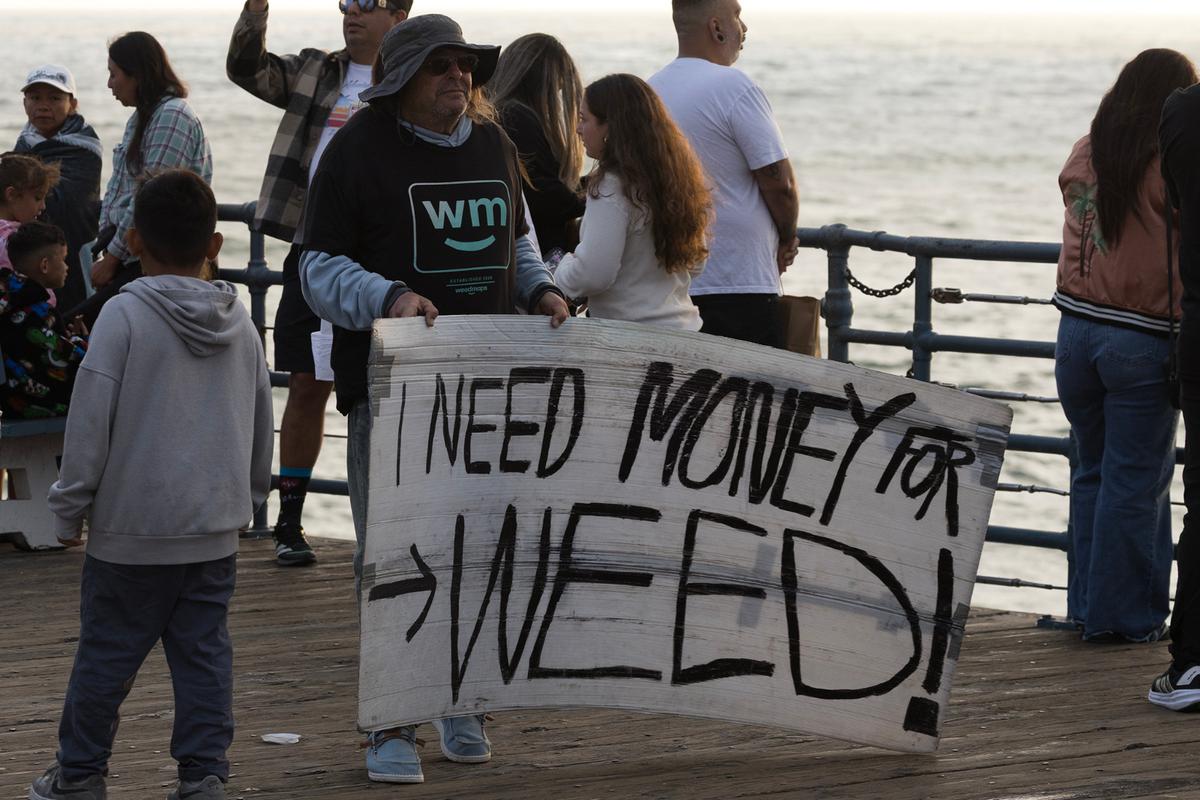
The images from the movies of the 90s, in which cannabis consumption was associated with the violent ghettos of Los Angeles or Compton gangsters rolling their joints on the hood of the car, are far from the reality of LA. In the spectacular Californian city, cannabis consumption is no longer taboo. Marijuana is no longer smoked secretly and purchased on street corners, watching the police.
It is something extremely common to Americans of all ages, professions, and walks of life. It became part of the local culture of the city on the edge of the Pacific and, very importantly, a huge source of income for the budget of the state of California.
The law that changed everything
In California, cannabis is legal for both medicinal and recreational purposes. Medical cannabis has been legal since 1996, when the state became the first in the US to allow the medical use of marijuana. Initially, the products were intended exclusively for patients.
Recreational use only came into being in January 2018, after California voters approved the infamous “Proposition 64” in 2016. From that moment on, marijuana use came out of the underground and became something mainstream.
However, there are rules
Don't imagine that anyone can smoke marijuana anywhere and in any quantity. California law states that an adult can possess up to 28.5 grams of cannabis and up to 8 grams of concentrate for personal use.
In addition, consumption is prohibited in public spacesin restaurants or bars. Basically, such products can only be consumed in private and specially designed spaces. That doesn't mean everyone obeys the law. I noticed many Americans lighting their cigarettes right on the street. without worrying that I might get hurt.
And yet, almost every street corner in Los Angeles seems to greet you with the same smell. A sweet and pungent smell, which made us wonder several times who and where left a beer in the sun. Over time, we came to recognize it. And it seems to permeate our clothes and I started to feel it wherever you are.
From the ghettos to the Walk of Fame
With legalization, businesses in the field flourished. Or, to keep the theme, they sprouted.
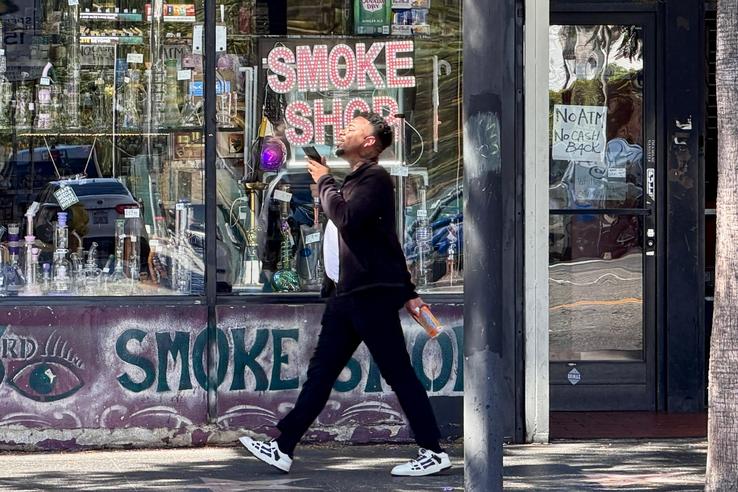
Every step of the way, in almost every neighborhood in Los Angeles, there are specialty stores that sell cannabis-based products. During a simple walk on the Walk of Fame, the famous alley in Hollywood where the stars receive a star and which is always full of tourists, I noticed almost ten such stores.
Anyone over the age of 21 can buy, presenting an ID. For us, coming from a country and culture that blames and punishes weed use, the images are more than novel. For Americans, it's something commonplace.
The products range from buds selected according to flavor and effect to chocolates, infused drinks, cakes, or oils. The shelves are full. Each customer is free to choose what he wants, and the sellers are ready to offer recommendations and explanations to the curious.
Almost 8 billion dollars in the budget
The legalization of marijuana also meant a huge financial blow to California. According to official data, from 2018 until now, the state has collected almost 8 billion dollars from taxes applied to the cannabis industry. In the last quarter of 2025 alone, revenue was $283.7 million.
Most of the money comes from the excise tax on marijuana products, which generated more than $4.19 billion. Another $3.17 billion was collected from the sales tax, while the cultivation tax brought in about $500 million before it is phased out in 2022.
According to the authorities, these funds are used to finance children's programs and education, medical research, youth substance abuse prevention campaigns, environmental restoration affected by illegal crops and to cover the costs of regulation and control.
Paradoxical! A substance that, until recently, was associated with illegality and underground culture has today come to finance public programs and bring billions of dollars to the state budget.
In Los Angeles, marijuana has become an industry. And, for many locals, part of everyday life.
Consumption carries major risks
Beyond the billions of dollars rounding the budgets, there is also the other side of the coin. And specialists are constantly sounding the alarm.
There are two situations. In the short term, drinking can affect memory, attention and coordination, which is why LAPD has no mercy when it comes to driving under the influence, pointing out that it is a huge danger on the roads.
But the real risks come with long-term use, especially when it starts at a young age, when the brain is still developing. Clinical studies associate frequent use with the degradation of cognitive performance, but also with the alarming increase in cases of anxiety, depression or episodes of paranoia.
In addition, statistics show that approximately one in ten adult users end up developing a difficult-to-treat psychological addiction. For teenagers who start using before the age of 18, the vulnerability doubles, turning everything into a mental health problem.