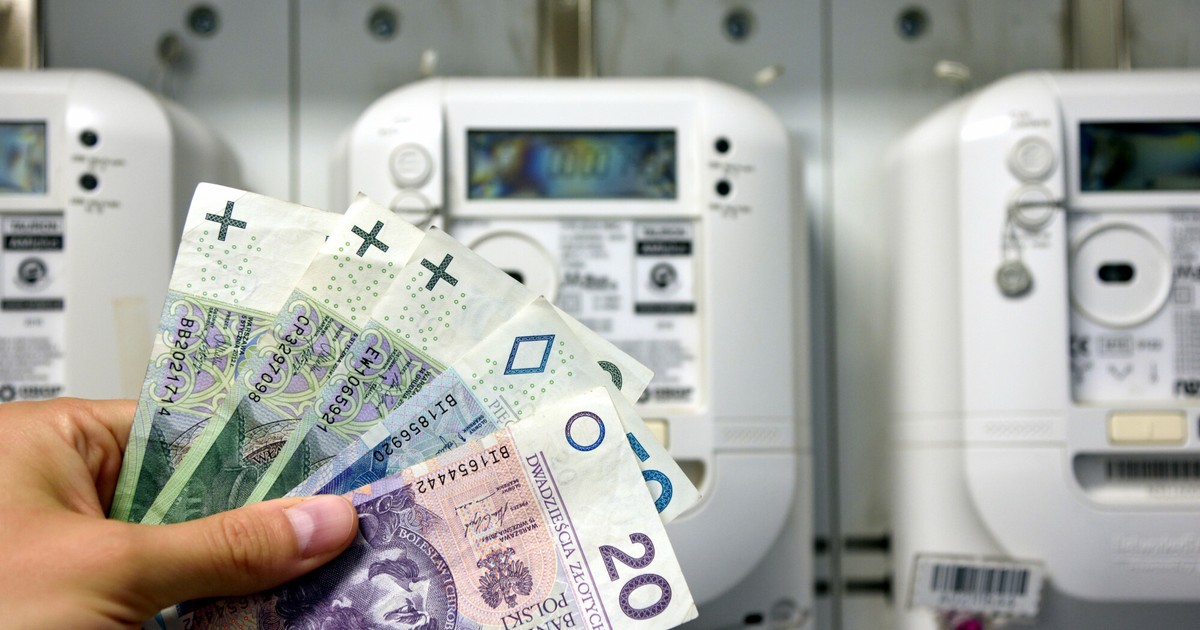
The release of blocked Iranian funds will be an “integral” part of any agreement, Iranian Foreign Ministry spokesman Esmail Baghei said, quoted by Reuters.
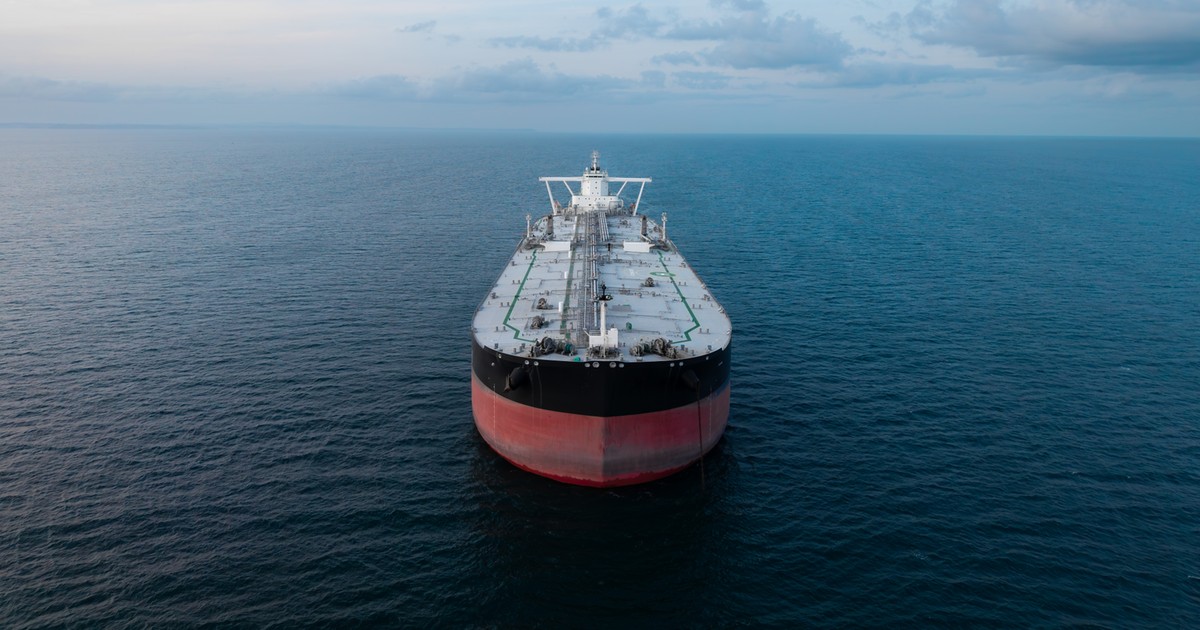
The spokesman described Iran's actions to “manage safe traffic” through the Strait of Hormuz as both protecting national security and serving the broader interests of the international community. Before the war, one-fifth of the world's oil and natural gas exports passed through the strait.
See also: Donald Trump announced a major breakthrough. There is Iran's response
A spokesman for the Iranian Ministry of Foreign Affairs said that the parties agreed that the nuclear issue and related matters would not be discussed at this stage, and instead the focus will be on ending the war and issues related to Lebanon — reported the emigration website Iran International.
The spokesman also said that the presence of foreign military bases and armed forces in the region must end. The US has bases in a number of Middle Eastern and Persian Gulf countries – including Kuwait, Saudi Arabia, the United Arab Emirates, Qatar and Jordan.
See also: An Iran-US breakthrough is in the air. The oil market is reacting
Donald Trump: Strait of Hormuz will be open to everyone
Donald Trump announced on Saturday that the signing of the agreement with Iran is planned for Sunday, and immediately afterwards the Strait of Hormuz “will be open to everyone.”
A moment later The Islamic Revolutionary Guard Corps (IRGC) denied that Iran would sign the deal on Sunday and criticized Trump for his “extraordinary insistence” on signing the deal that day.
The IRGC stated that Trump's announcement occurred “despite Iranian negotiators' clear statement that the memorandum has not yet been finalized and that a signing on Sunday will definitely not happen“.
The group suggested that Trump intended to time the signing to coincide with his 80th birthday on June 14.
Strait of Hormuz
Reopening the Strait of Hormuz is expected to be part of a potential U.S.-Iran deal.
The strait has been virtually closed by Iran since the U.S.-Israel war began in February. It is the main route for transporting crude oil from oil-rich countries such as Saudi Arabia and Kuwait to the rest of the world.
Both Iran and Oman have exclusive economic zones (EEZs) in the strait.
According to the United Nations, the country has “sovereign rights” to explore, exploit, protect and manage the natural water resources in its exclusive economic zone.
However, according to the United Nations Convention on the Law of the Sea (UNCLOS) “ships of all States, both coastal and inland, enjoy the right of innocent passage through the territorial sea”.
The coastal state should not “impede the harmless passage of foreign ships through the territorial sea”states UNCLOS, except in certain situations. It may “take the necessary steps within its territorial sea to prevent non-innocuous passages”, UNCLOS emphasizes.