Daniel-Dylan Boehmer is the foreign policy and security correspondent of “Die Welt”.
Anyone who has ever piloted a nuclear submarine or, more likely, read Tom Clancy's 1984 novel “The Hunt for Red October” is familiar with the phrase “Mad Ivan.” This was the name of the United States Navy for a maneuver that Soviet submarines regularly performed to destroy possible American pursuers.
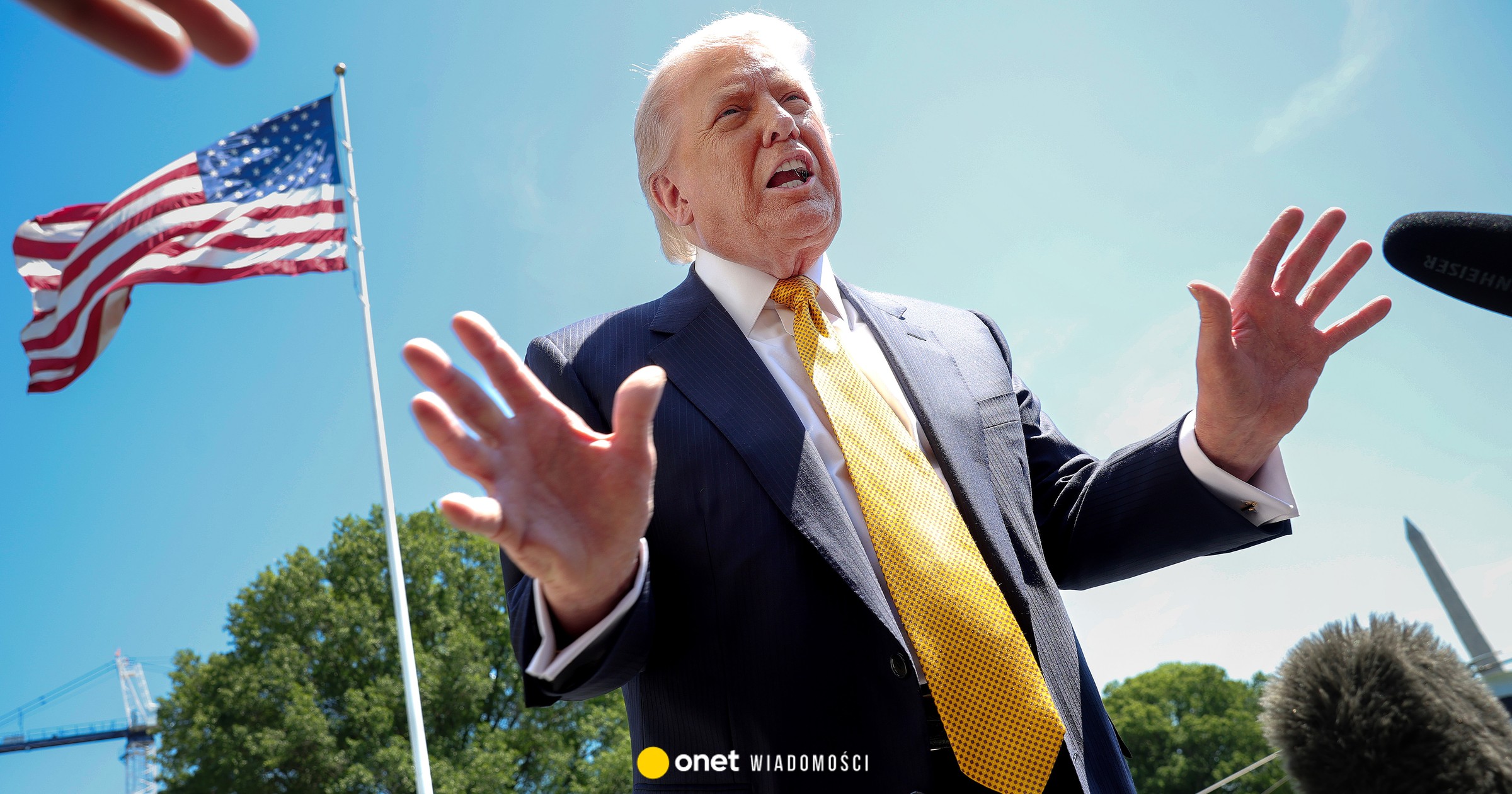
The Russian helmsman would suddenly turn the rudder and sail at full speed in the opposite direction to locate the enemy and make him make unwise movements – in short, to confuse him. Given a large dose of good will, Donald Trump's behavior in the context of the Iran crisis can be compared to just such a maneuver.
Hardly a day goes by without the US president announcing either an impending comprehensive agreement ending the war with the Islamic Republic of Iran or, on the contrary, renewed bombing of that country with maximum force. Sometimes he claims both on the same day. As this comment was being written, Tehran had just denied the breakthrough in negotiations that Trump announced on Thursday — after moments earlier he announced the resumption of the war. In the end, nothing like that happened.
Reserves are dwindling
Unfortunately, fewer and fewer observers perceive this maneuvering as a clever tactic of a brilliant negotiator. It is becoming increasingly difficult to deny the feeling that the supposedly most powerful man in the world is becoming helpless. You might find Trump's hesitations amusing. However, they are gradually reaching the threshold of danger – especially in economic terms.
In recent months, the price of oil has fluctuated wildly with each new statement Trump made about the situation in Iran. The communication chaos of recent days has had almost no impact on it – the charts show an almost flat line, just below $100. (PLN 367) per barrel of Brent crude oil. This peace, however, is illusory.
The article continues below the video
The price of oil seems so stable and surprisingly low only because many large industrialized countries are releasing their reserves into the markets to protect their societies from the economic effects of the crisis. More than two-thirds of the 400 million barrels package that 32 member states of the International Atomic Energy Agency (IAEA) made available in the first half of March have already been used. It is true that at this rate of consumption, the strategic reserves of the IAEA countries will last for another year, but anyone who relies solely on them is making a mistake.
Experts assume that shortages in global oil markets will last until 2027, even if the Strait of Hormuz were opened today. This is primarily due to the fact that it is impossible to immediately put the damaged oil installations in Iran and other Persian Gulf countries into operation. Industry website Argus estimates that if the blockage in the Persian Gulf continues, more than two-thirds of Europe's jet fuel reserves will be exhausted by the end of the summer.
To sum up, even if Donald Trump really suddenly concludes a deal with Iran, the economic consequences of this crisis cannot be prevented. Whether Trump's frenetic shift from declarations of peace to threats of destruction is brilliant or insane, it must end. Because this chaos is really costing the whole world a lot. Only oil suppliers, including Iran and Russia, will benefit from this.
I’m Ashley Davis as an editor, I’m committed to upholding the highest standards of integrity and accuracy in every piece we publish. My work is driven by curiosity, a passion for truth, and a belief that journalism plays a crucial role in shaping public discourse. I strive to tell stories that not only inform but also inspire action and conversation.