The European Union Pact on Migration and Asylum will start to apply on a mandatory basis from Friday, after a 12-month transition period designed to allow the member states to implement the infrastructure and legislation provided for in the document, reports the EFE agency on Thursday, taken over by Agerpres.
This pact tightens the rules on asylum, by strengthening borders with mandatory controls and simplifying procedures, but also includes a controversial “solidarity” mechanism that consists of mandatory refugee quotas for member states, i.e. the relocation of some migrants from front-line countries to other EU member states less affected by the migratory wave, and those that refuse these quotas will have to pay a contribution of 20,000 euros for each migrant refused or to provide operative and technical support.
What is the Eurodac system
One of the pillars of the pact is the application of stricter procedures for illegal arrivals, including the identification within a maximum of seven days of any person who illegally crosses a community border.
The Eurodac system, the European fingerprint database, will become an integral migration management platform, with facial images also being introduced in this system, and the minimum age for biometric registration will be reduced from 14 to 6 years.
Speeding up the formalities is another key element, by establishing a semi-fast procedure of 12 weeks from the illegal arrival of the migrant in the EU, during which all stages of the procedure will have to be carried out, from the examination of the asylum application to the issuing of a return decision, in case the application is rejected. This semi-fast-track procedure will be mandatory for migrants who pose a security risk or come from countries with an acceptance rate of asylum applications in the EU below 20%.
States can choose between migrants and financial contributions
The pact also includes the creation of a mandatory framework of solidarity with the countries facing the most intense migratory pressure, currently Spain, Italy, Greece and Cyprus, obliging the other member states to collaborate with them by taking in migrants, operational support or a financial contribution of 20,000 euros for each migrant that they refuse to receive by virtue of such a system of mandatory refugee quotas.
There are several states willing to pay such contributions rather than receive migrants on their territory, and another problem is that Hungary and Slovakia have refused even to pay these financial contributions.
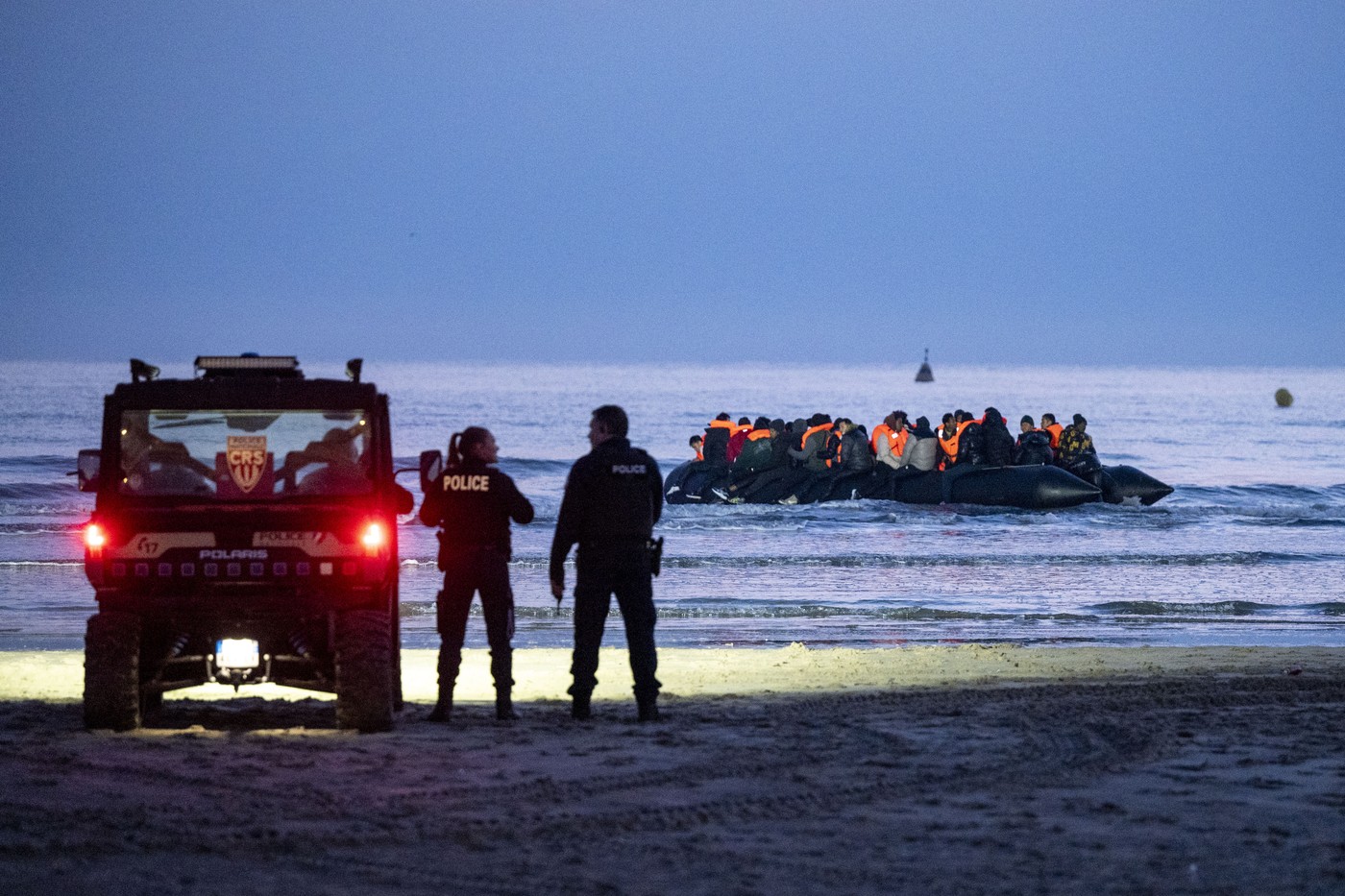
The Pact also includes a Crisis Regulation, i.e. an emergency clause in case of massive waves of migration that threaten to overwhelm a country. In such situations, which must be recognized and approved as such by Brussels, the affected state can postpone the registration of new asylum applications and can extend detention at the borders beyond the 12-week period, but at the same time the other member states will be even more constrained by the mandatory quota mechanism, forcing them to prioritize the urgent relocation of migrants.
Counter to the “instrumentalization” of migration
The concept of “instrumentalization” is also introduced, referring to geopolitical challenges in which third countries use migratory flows to destabilize the EU. In this scenario, the affected state can automatically apply the strictest and most restrictive border controls, regardless of the origin of the migrants.
In parallel, the EU will implement a technological and geopolitical framework to secure its external borders. The main measures include the new EES and ETIAS digital systems for the biometric identification of travelers and the detection of illegal stays, as well as agreements with transit countries – such as Tunisia and Morocco – to limit the departure of migrants from their shores to EU states.