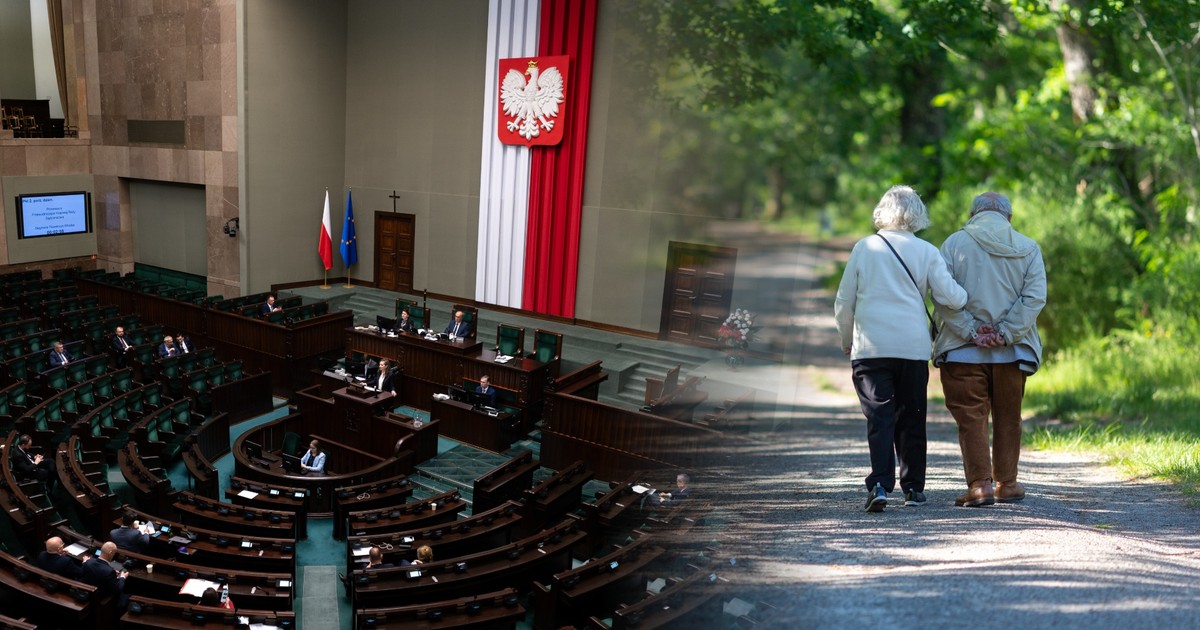
415 MPs voted in favor of adopting the regulations, one vote was against and 20 MPs abstained from voting. The government project implements one of the milestones of the National Reconstruction Plan. Now the bill will be referred for further work in the Senate.
The benefit was designed to support the everyday functioning of older people, who are to be provided with access to assistance services. The authors of the act assume that this will improve the quality of care and health and social services will be better coordinated. Seniors are to gain real support in their surroundings, without having to leave home.
The voucher will be available to anyone who is over 65 years of age and has citizenship of Poland, a country of the European Union, the European Economic Area, the Swiss Confederation or the United Kingdom of Great Britain and Northern Ireland. An additional condition is the income criterion – the average income of the eligible person cannot exceed PLN 3,410. The benefit will not be paid in cash but will take the form of service assistance.
- Read also: Increasingly lower pensions for Poles. A new trend is visible among seniors
Scope of services for seniors
The assistance provided under the voucher will be ad hoc and may last a maximum of two weeks. It will include support with basic activities of everyday life, such as dressing, preparing meals and keeping order at home. The service is also intended to facilitate the use of medical services and maintaining contact with the environment.
The implementation of the program will be spread over time. First, it will cover those communes where there are no public care services addressed to the elderly. The implementation will be carried out by municipal governments as part of three-year government programs.
- Read also: Seniors waiting for elevators in blocks of flats. “I don't believe anything will change”
PLN 1 billion from the implementation budget
The first edition of the program is planned for 2026-2028, and the total budget will be PLN 1 billion. In 2026 – when the program starts in the fourth quarter – PLN 100 million will be allocated for this purpose. A year later, the pool will increase to PLN 400 million, and in 2028 it will reach PLN 500 million.
The Act on the Coordination of Long-Term Care and Elderly Persons itself also introduces the definition of long-term care and a catalog of instruments included in it, including cash benefits. There will also be definitions of informal care and an informal caregiver. Rules for monitoring the implementation of long-term care services and assessing their quality will be defined.
The Government Plenipotentiary for Senior Policy will be responsible for coordinating activities regarding long-term care. His tasks will also include preparing annual reports describing the situation of older people in Poland.