Emergency preparers stock up on water, food and fuel. Affected by the second global energy crisis in four years, governments are turning to similar strategies.
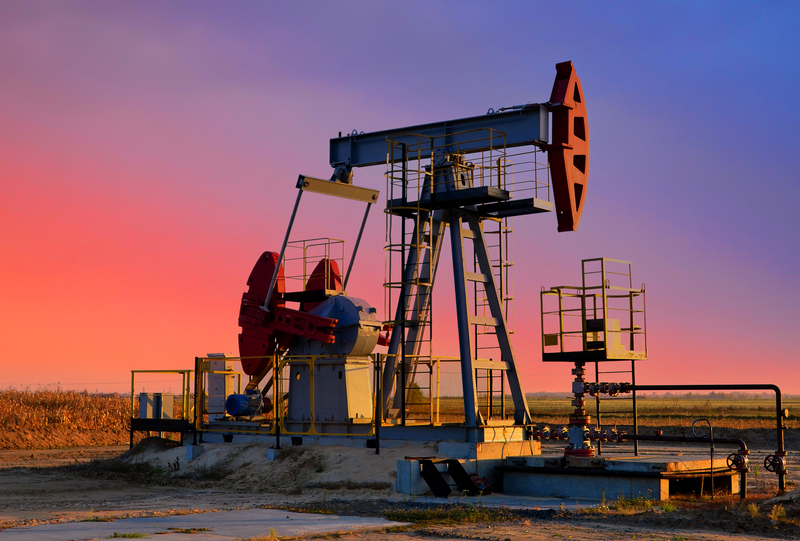
This preemptive buying trend by countries is changing the market. Countries are no longer buying fuel for immediate consumption, but for storage, which will keep oil prices high.
If states implement plans to store more oil, energy prices could remain high for a longer period of time, regardless of developments in the Middle East.
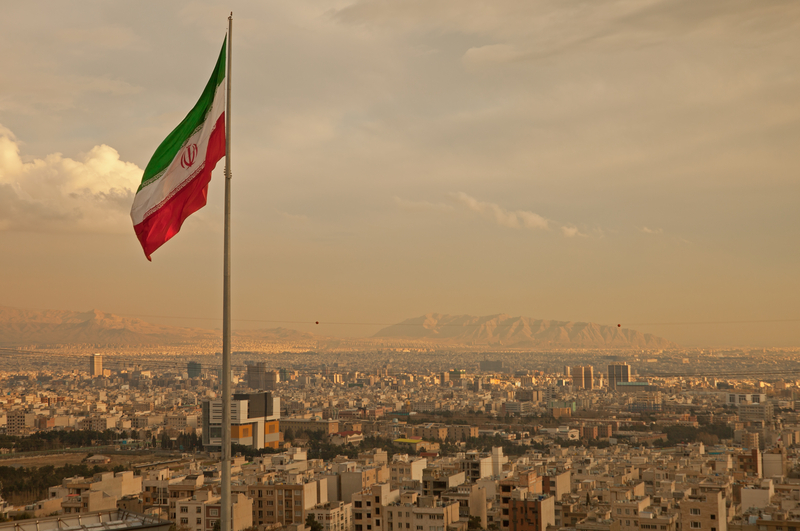
Currently, oil prices remain high but exhibit strong volatility, depending on developments in the Middle East and the continued blockades in the Strait of Hormuz.
New price increases, although less aggressive compared to mid-March
“We are at a critical juncture,” said Rick Badazian, trader and founder of trade analytics platform Offsides Macro. Based on West Texas Intermediate (WTI) futures, oil traders are predicting further price increases, albeit less aggressive than in mid-March, when bullish sentiment peaked.
Even if a peace agreement is reached, the price of oil will probably not fall to pre-war levels. It takes time.
Hundreds of tankers, carrying about 100 million barrels of oil, are still stuck in the Strait of Hormuz, and shipping and insurance companies will need time to assess the risks of reopening.
According to S&P Global Energy, cited by the Wall Street Journal, nearly 500 million barrels of crude and refined products are needed to replenish depleted stocks outside the Persian Gulf, a number that rises by 5.8 million barrels for each day the straits are blocked. Even with a surplus of 1 million barrels per day, it would take more than a year to restore global stocks to pre-war levels.
Everyone is looking for a safety 'cushion'
But governments affected by recent experience want more than just a return to normality. Analysts expect inventories to rise to higher levels than before the war as countries seek greater protection against future energy shocks.
“Importing countries are asking, 'What are we going to do to make sure we don't find ourselves in this situation again?'” says Kevin Book, co-founder of ClearView Energy Partners.
The “Energy City” of Pakistan
Pakistan, which has no strategic oil reserves, plans to create such reserves. The aim is to attract international producers to create commercial reserves in the new “Energy City”, possibly located at Port Qasim near Karachi. At the same time, the Philippines establishes its first Strategic Petroleum Reserve Program.
Meanwhile, the Indonesian government has announced the construction of new storage facilities to boost reserves, while India is also expanding its own facilities.
Japan has pledged $10 billion in financial assistance to support Asian countries looking to build oil storage infrastructure and reserves. These factors are expected to keep the oil market fragile.
The need for a long-term process of replenishment of reserves, as well as the tendency of states to accumulate fuel, becomes completely understandable.
Structural changes even as inventories return to more normal levels
And once stocks return to more normal levels? Things get complicated, especially when it comes to oil demand.
Previous crises have caused structural changes in energy strategies. The oil crises of the 1970s forced the US to increase its energy efficiency and switch to alternative fuels.
As a result, the US now generates just 1% of its electricity from oil, down from nearly a fifth in the early 1970s.
Similar changes could be taking place today in other sectors as well. European Union ministers are discussing increasing domestic oil and gas production, a decision that would have seemed unthinkable a few years ago.