The EU bill that has increased by tens of billions of euros since the war in the East began. “And that without a single molecule of extra energy”

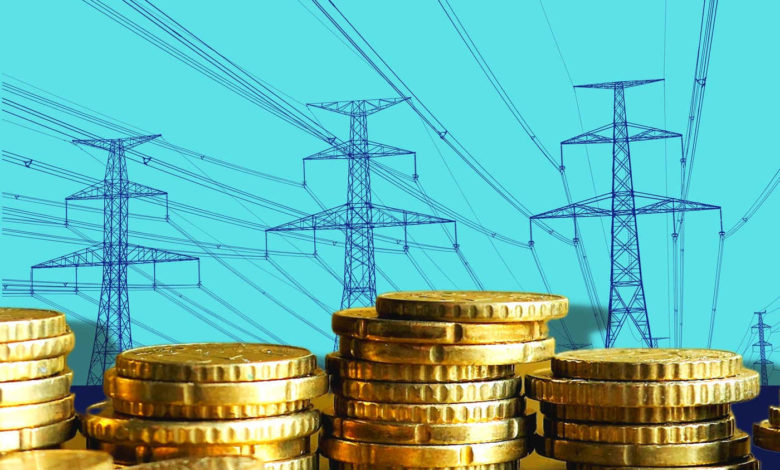
The EU's fossil fuel import costs have risen by €47 billion since the start of the Middle East conflict 100 days ago.
“This is the price we pay without any extra molecule of energy,” said a spokesperson for the European Commission on Monday, according to Agerpres.
“But it is important to say that we have not experienced any disruptions. Security of supply is ensured and that is the most important thing,” the EU official added.
This fact was possible because the European Union diversified its energy sources, increased the share of domestic energy and improved energy efficiency, explained the spokesperson.
The community executive “is prepared to adopt additional actions if necessary”, assured the official.
Sources who wished to remain anonymous announced that the European Union is working on a series of plans aimed at reducing taxes for renewable energy and making electricity systems more flexible, as high electricity costs continue to affect the region's economy.
According to the sources, the European Commission intends to propose next month a new regulation that introduces targets for the adoption of smart meters and fiscal changes aimed at promoting clean energy.
The Brussels plan reflects the EU's effort to switch from oil and gas to locally produced renewable energy. Although Europe has boosted the use of sources such as wind and photovoltaic power, the region is still dependent on imported fossil fuels for 57% of its energy consumption.
In order to speed up the energy transition, the EU wants the minimum excise duty on electricity to be lower than in the case of natural gas. The Commission is also looking at a targeted option to reduce energy taxation for heavy industries, which have long warned that huge energy bills are undermining their ability to invest in the region and there is a risk of factory closures.
The Community Executive's proposal is to be unveiled next month, along with an electrification strategy for the EU, which has the most interconnected network in the world, but needs massive investments to modernize it. The commission wants to make grids more flexible and avoid situations where renewable energy producers are forced to shut down installations on sunny or windy days because there is more electricity than the region can use.
The new regulation would also introduce a minimum EU-wide implementation obligation for smart meters, to ensure that at least half of final customers in each member state are covered by such a system by the end of the decade. The adoption objective would be increased to at least 65% in 2033.