Bears and vipers come down the paths more and more often. Salvamont's recommendations for tourists this summer

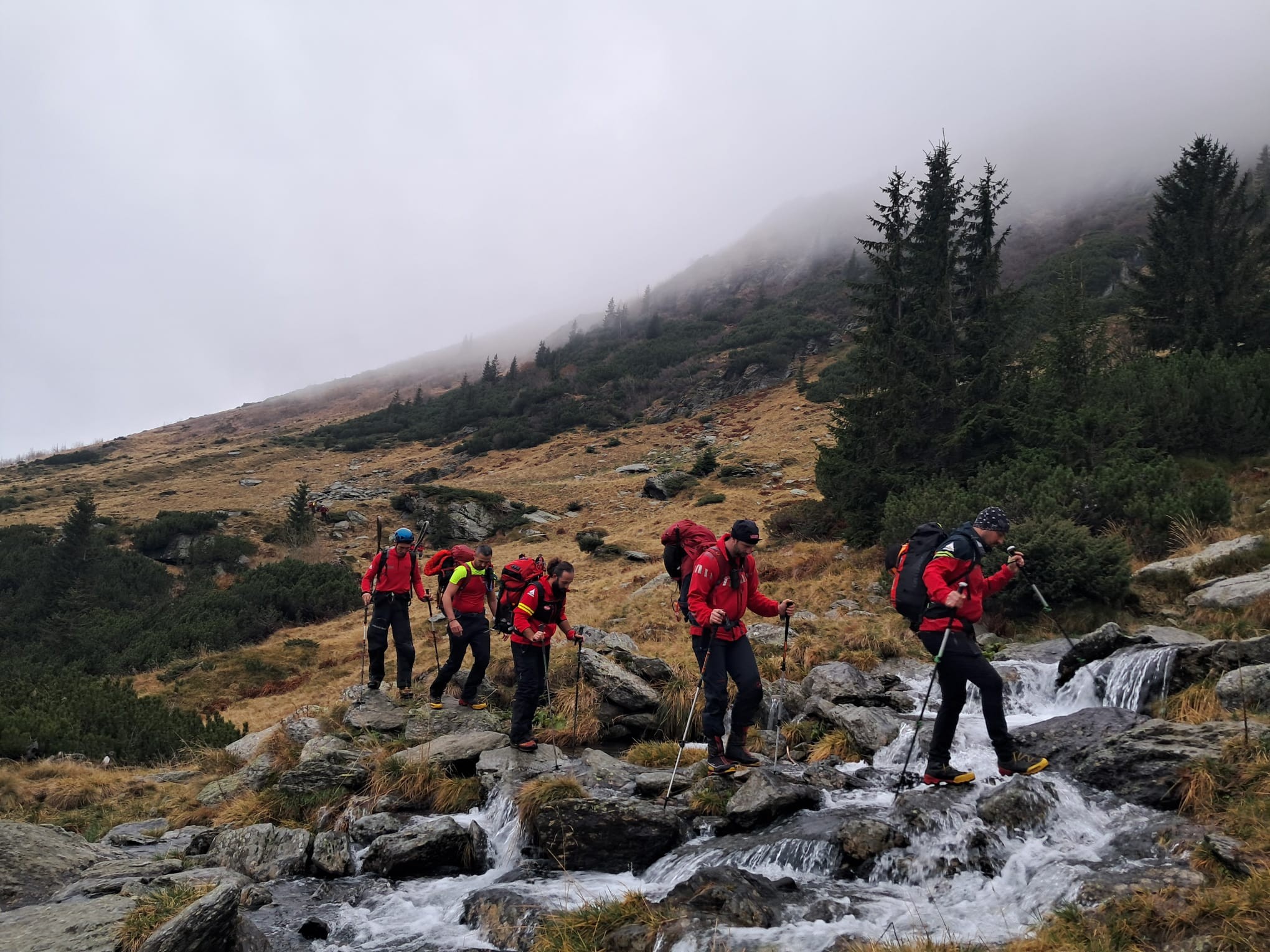
The mountain rescuers come up with a series of recommendations for carrying out mountain activities safely during the summer, they warn tourists not to try to force their physical training, to equip themselves properly and to be prepared for sudden changes in the weather, but also for the meeting with wild animals, being more and more often the cases in which bears or vipers come down to the access paths.
“We are at the beginning of a summer season which is announced with many tourists on the mountain, because we see from year to year that their number increases, the number of activities that are done on the mountain is increasing, it diversifies from year to year both in terms of types of activities and in frequency, and we believe that the mountain has really become an attraction for many tourists, regardless of age, regardless of training, because everyone finds something in the mountain area that will attracts as much as possible to these activities”, said on Monday, for the Agerpres agency, the president of Salvamont Romania, Sabin Cornoiu.
According to him, those who choose the mountain during this period must take into account several recommendations regarding the type of activity they choose, the equipment, the presence of wild animals, but also the sudden changes in the weather.
“Our advice is that those who go to the mountains should approach activities that fit within their physical training limits, the equipment they own and the sports knowledge they have, to have appropriate equipment adapted to these activities, to take the necessary medication or the necessary nutrition, to always be prepared for a sudden change in the weather, because hot weather always inevitably brings with it short-lived storms, with hail, with sudden changes in temperature, with lightning, so they must also be prepared for these extremes”, explained the head of Salvamont Romania.
“They should be prepared for the encounter with wild animals, because we see that more and more often we meet bears or vipers that come down to the paths on which tourists come, and those who are preparing tours for several days must be very careful not to put a lot of equipment in their luggage, to have heavy luggage and this luggage will confuse them and make it difficult for them to get out on the mountain”, added Sabin Cornoiu.
Instability of stones and boulders during this period
The head of Salvamont Romania also draws attention to the existence of some portions still covered by snow, but also to the instability of the stones.
“Those who go to high altitudes must understand that they will have to quickly adapt their style of movement on the mountain, because there is the possibility of encountering, especially on the northern faces or in the valleys, also sections with snow and they must be very careful when traveling through them. Those who go to lower altitudes, in areas up to 1,800, even 2,000 meters, on well-traveled routes, must be be careful that during this period the paths can be full of stones that are unstable, be careful which stones you step on, not to move and unbalance them or even cause them injuries, be very careful because the freeze-thaw process that was characteristic at the end of winter may have led to the instability of stones and boulders and certain sections of the rumble that you go through to get moving and mess up the forward,” he pointed out.
“There are a lot of tips we can give, but it is best for people to go to our official page, we have a special section for recommendations there,” said the head of Salvamont Romania.
The program of mountain rescuers is also adapted during this period, the activity being channeled towards specific events:
“All over the country, the mountain rescuers are radically changing their assistance program, if during the winter we focused on the areas for practicing winter sports, the areas with ski slopes, now we will go to the areas with a large tourist influx, the areas for practicing mountaineering, climbing, to the via ferrata, cycling routes and we try to be as close as possible to those who practice mountain activities and who are at high risk of injury”.