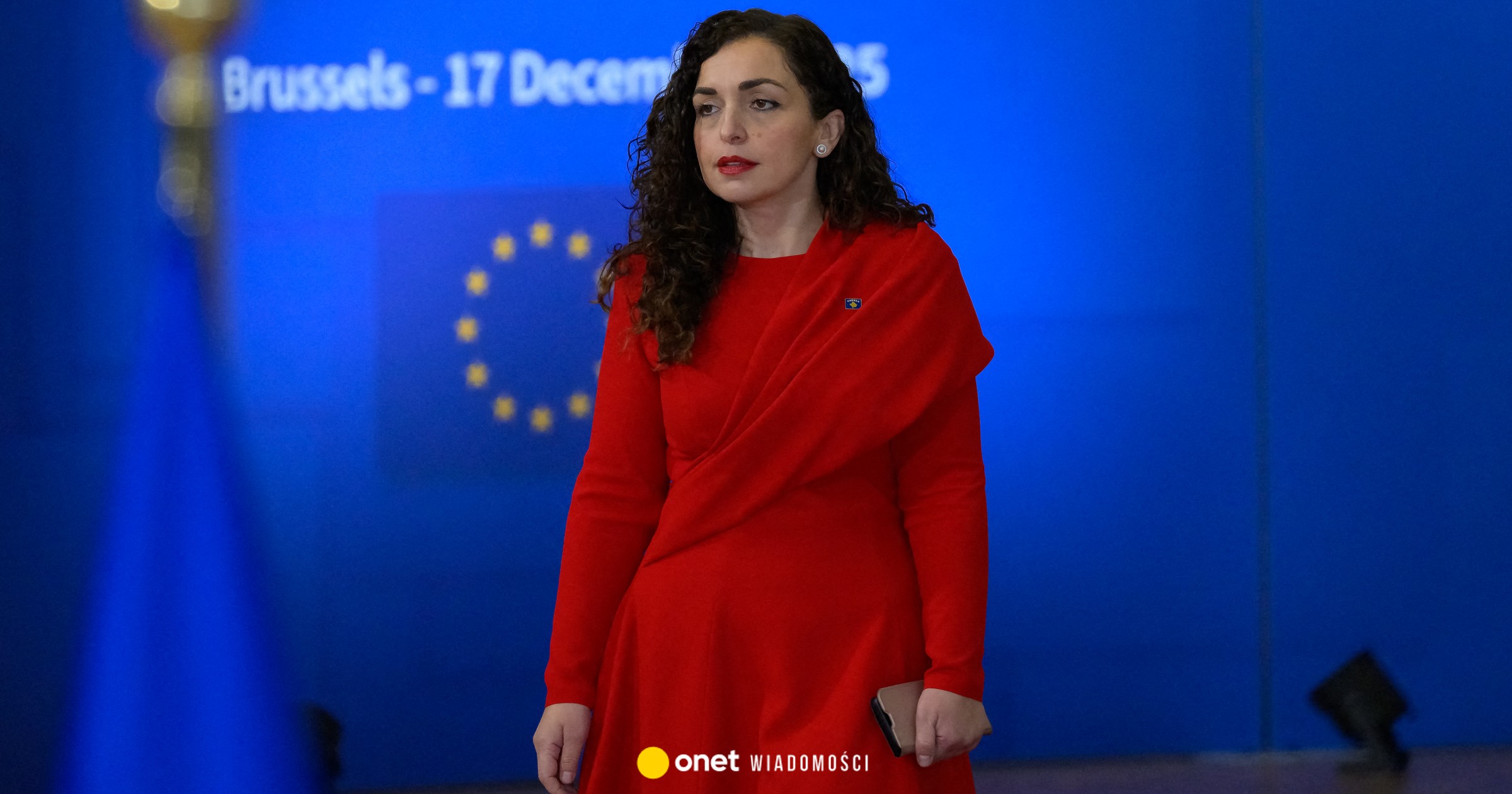
The politician criticizes the incumbent Prime Minister Albin Kurti, whose re-election, as he claims in an interview with POLITICO, could threaten the country's current course.
Osmani served as Kosovo's president from 2021 until April last year, when the country's parliament failed to elect her successor, sparking a constitutional crisis.
— Kosovo's future cannot be held hostage by political egos, he argues, accusing Kurti of alienating allies from Europe and the United States. At the same time, he calls on voters to instead elect a leader capable of making “the right decisions that will irreversibly anchor us on the Euro-Atlantic path.”
Since unilaterally declaring independence from Serbia in 2008, Kosovo has struggled with acceptance around the world.
On the one hand, the United States and the other major G7 economies recognize the sovereignty of this small, landlocked Balkan country. On the other hand, EU countries such as Greece, Spain, Romania and Slovakia have refused to recognize Kosovo's sovereignty. And this complicates Pristina's goal of joining both NATO and the EU.
The article continues below the video
According to Osmani, Kurti — who heads the left-wing populist Vetevendosje party — made the situation worse.
The politician, who briefly served as prime minister in 2020, was re-elected in 2021 promising to carry out major reforms and further Euro-Atlantic integration, but during his term, relations with Brussels and Washington were turbulent.
After Kurti appointed mayors of Albanian origin in Serb-majority municipalities in the north of the country in 2023, Western officials accused his government of stoking ethnic tensions.
Instead of continuing accession talks with the country, which formally applied to join the EU in 2022, Brussels imposed sanctions on Kosovo for failing to ease unrest in affected municipalities that have been rocked by violent clashes.
The penalties that caused suspension of EU economic aid for this country, were only abolished after local elections were held last year.
Kurti's relationship with Washington was equally turbulent.
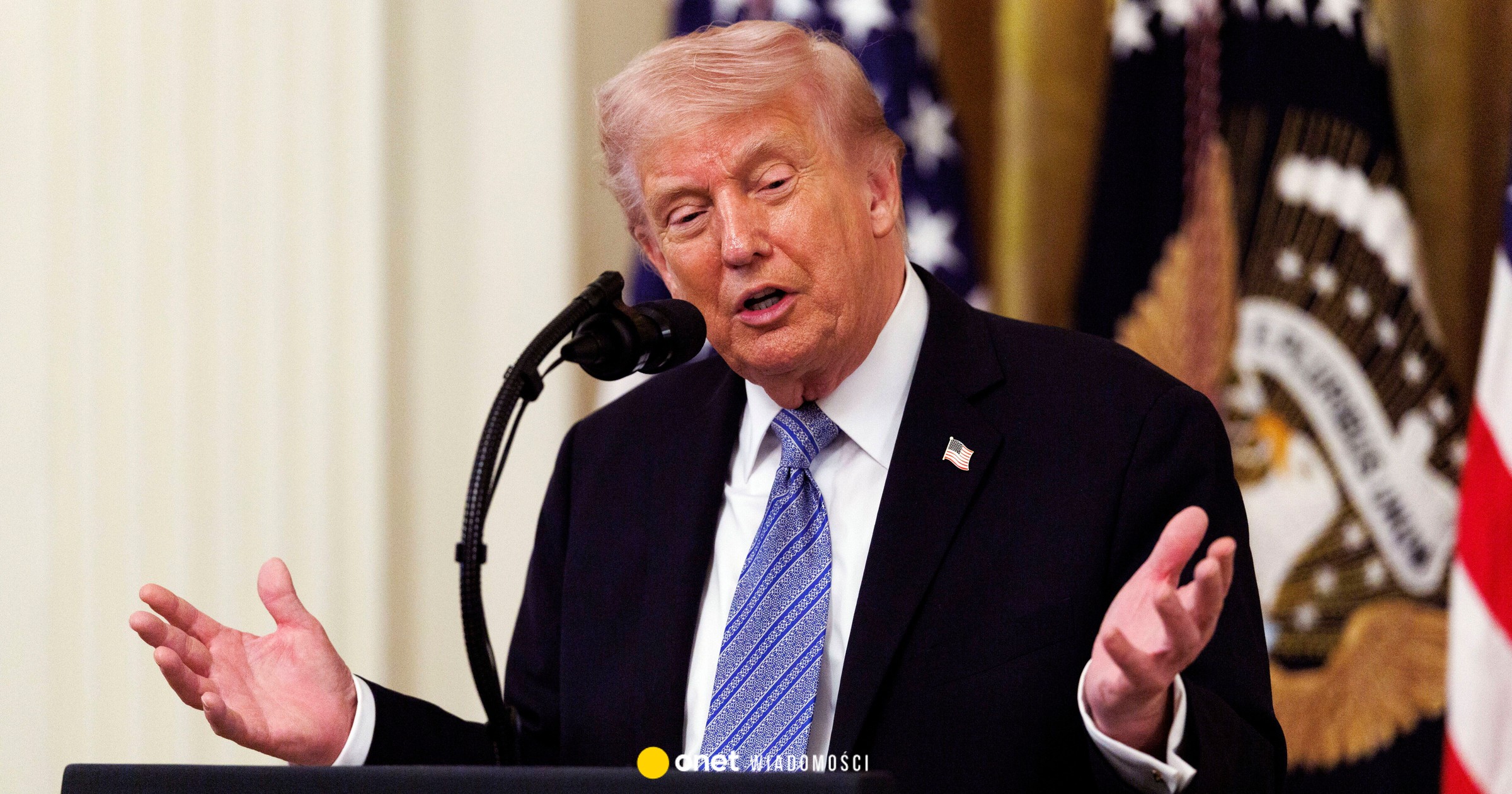
In 2020, he accused the administration of US President Donald Trump of actions aimed at overthrowing his government in order to conclude a territory exchange agreement with Serbia. Recently, however, the prime minister has struck a more conciliatory tone, standing out as one of the few world leaders to praise the U.S. decision to invade Venezuela and arrest its president, Nicolas Maduro.
Osmani says Kurti's political decisions and statements are controversial have undermined Kosovo's position on the international arena. “He had to build trust, but he did exactly the opposite,” he emphasizes.
PAP/EPA/GEORGI LICOVSKI / PAP
Acting Prime Minister of Kosovo and leader of the Vetevendosje (LVV) party Albin Kurti, 7 June 2026.
Removed candidate
Osmani has many reasons to oppose Kurti.
Earlier this year, the prime minister, who declined to comment when asked by POLITICO, did not support her bid for re-election to parliament and instead supported candidates from his party. However, when none of the candidates received the required number of votes, the country plunged into a crisis that ultimately led to early elections on Sunday.
The parliamentary elections, which are the third in just over a year, are unlikely to resolve the complex political situation in Kosovo. Although there are no reliable polls, political analysts predict that the ruling Vetevendosje party will again win the most seats, allowing Kurti to remain prime minister.
However, it is not clear who will become president: no party is expected to obtain the two-thirds majority in parliament required to elect a new head of state, meaning complex negotiations loom on the horizon.
Osmani is running for parliament in Sunday's elections, but she is keen to regain the presidency, which gives its holder the right to refer laws back to lawmakers for reconsideration and to appoint key figures in the judiciary and administration.
An independent politician who was previously a senior member of the center-right Democratic League of Kosovo, she accused Kurti of seeking to consolidate power by weakening the presidency.
— He wants to control all institutions in their entirety, he argues, citing efforts to appoint “a president who is silent abroad and completely limited at home.”
He also explains that after years of fruitless negotiations mediated by the EU, which brought little progress, Washington should play a more direct role in the dialogue with Belgrade.
“Every time the United States got involved, the dialogue with Serbia was more fruitful,” he says. — Every time we didn't have U.S. attention, the dialogue stalled and completely broke down.
Outraged by Kurti's tense relationship with Washington, Osmani – one of the few world leaders to agree to sit on Donald Trump's controversial Peace Council – presented Kosovo's future as inextricably linked to the alliance with the US.
— I want Kosovo to stop asking to be allowed to exist, he concludes. — And it began to act with the self-confidence of a sovereign state.
I’m Ashley Davis as an editor, I’m committed to upholding the highest standards of integrity and accuracy in every piece we publish. My work is driven by curiosity, a passion for truth, and a belief that journalism plays a crucial role in shaping public discourse. I strive to tell stories that not only inform but also inspire action and conversation.