The Kremlin has created a convenient alibi for itself

As 2025 drew to a close, Moscow signaled that it had no intention of considering the latest 20-point peace plan, a proposal developed by Kiev, Washington and European capitals.
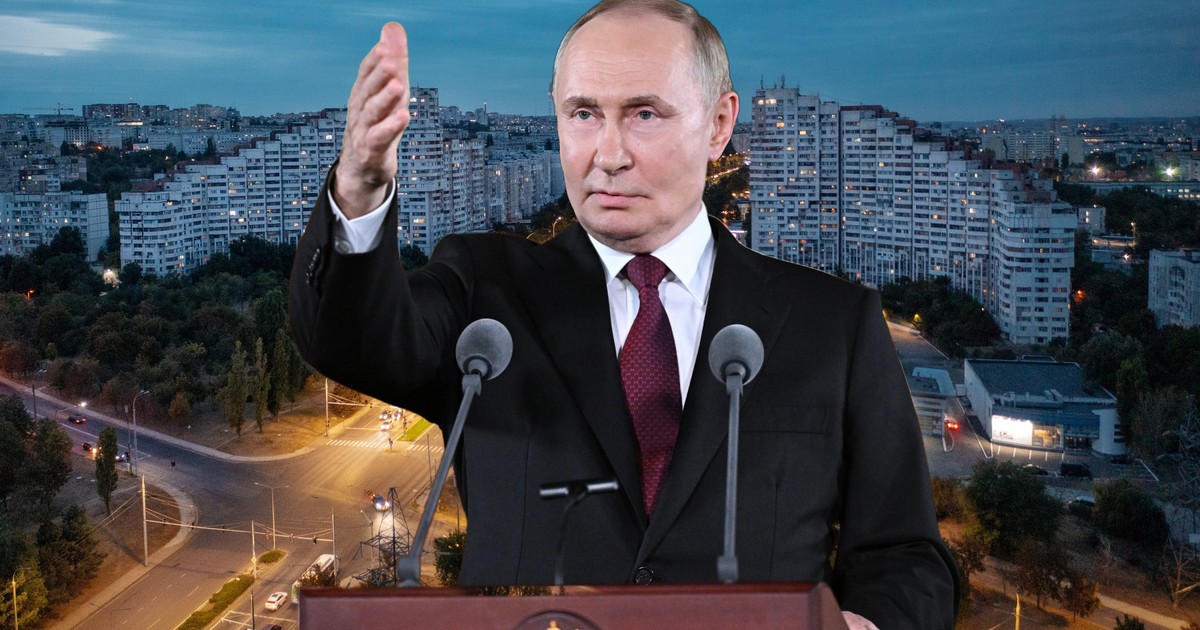
Instead, the Kremlin is using false reports of a Ukrainian “attack” on Putin's residence in Valdai in the Novgorod Oblast as a convenient “alibi” to return to the maximalist demands it set at the beginning of the war.
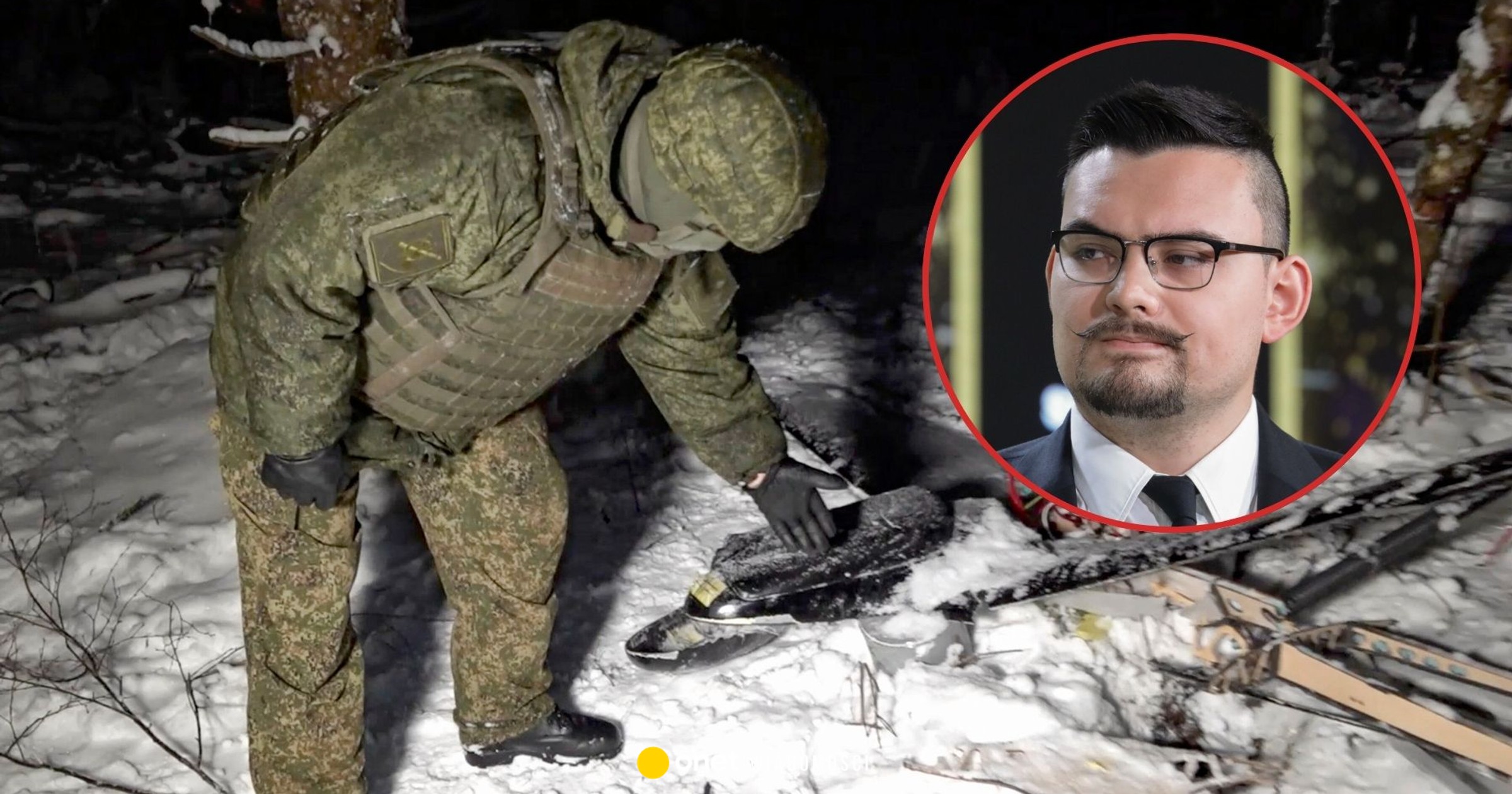
— There is no evidence that Ukraine carried out any attack on Putin's residence in Valdai — said George Barros, Russia analyst at ISW.
— It is quite telling that the Kremlin spokesman even rejected the suggestion that Moscow should present evidence. Kremlin officials are using the alleged Ukrainian attack in the Novgorod Oblast to justify Russia's continued insistence that both Ukraine and the West capitulate to Russia's original demands in 2021 and 2022, he added.
Peace talks: a return to Russia's extreme demands
According to Barros The fictitious drone attack serves a specific geopolitical purpose: to justify Russia's refusal to budge on its original 2021 and 2022 demands.
This change was highlighted by Russian Foreign Minister Sergei Lavrov, who repeated Moscow's extreme demands for an end to the conflict in an interview with the Russian state television station Russia Today at the end of the year.
The “primary” demands that Lavrov returned to include a neutrality requirement, meaning Ukraine would have to abandon any aspirations to join NATO or Western security alliances.
The Russian foreign minister also called for the demilitarization of Ukraine, which would involve reducing the Ukrainian armed forces to such a level that the country would no longer be able to defend itself.
Finally, the demand for “denazification” aims to replace the current Ukrainian government [który kremlowska propaganda nazywa “reżimem”, na czele którego stoi “dyktator” — Wołodymyr Zełenski — bez mandatu wyborczego] pro-Russian puppet regime.
— Lavrov said Russia is “confident” that the ultimatum it presented to the United States and Europe in December 2021 can serve as a “starting point” for peace talks, Barros noted.
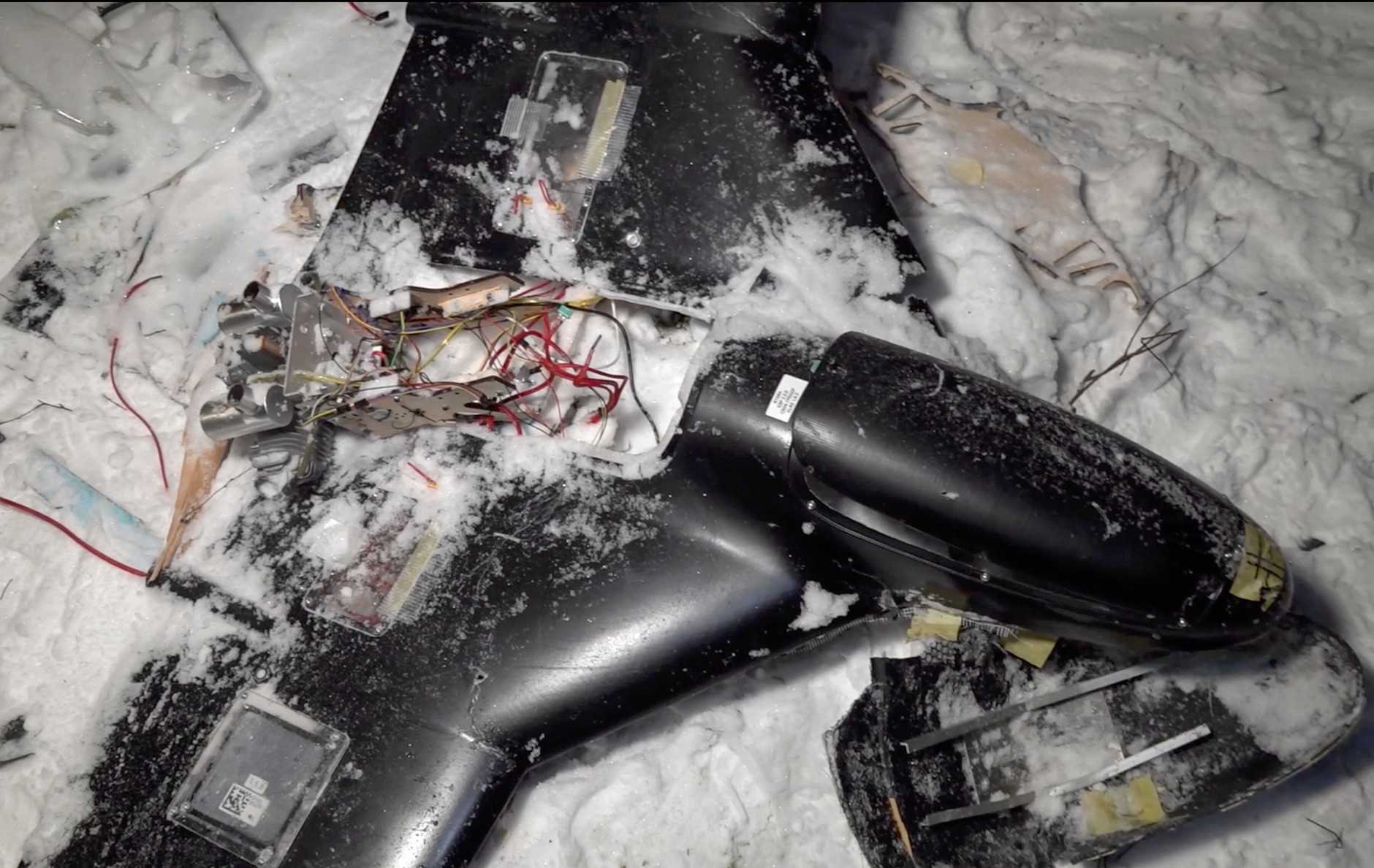
A still from a video released by Russia showing drone debris after an alleged attack on Putin's villa in Valdai, Russia, December 31, 2025.PAP/EPA/RUSSIAN DEFENSE MINISTRY PRESS SERVICE/HANDOUT / PAP
“Moscow is using a made-up story about a Ukrainian attack on Valdai to justify rejecting a peace proposal.”
This tough stance puts Moscow in direct opposition to the 20-point peace plan announced on December 23, 2025, which suggests freezing military operations along the current front lines and limiting the number of Ukrainian armed forces to 800,000. soldiers.
Although the Western plan offers significant concessions, it is far from the complete surrender of Ukraine that Lavrov is currently demanding.
The Russian Foreign Minister also insisted that the West formally recognize Russia's annexation of the Luhansk, Donetsk, Zaporozhye, Kherson and Crimean Peninsula oblasts, which is unacceptable to the administration [prezydenta Wołodymyra] Zelensky.
“Moscow appears to be using this made-up story about the Ukrainian attack on Valdai to justify rejecting a peace proposal that Russia has never and under no circumstances been willing to accept, at least not now,” Barros said.
The alleged incident in Wałdaj fits into the pattern of “narrative traps” aimed at shaping Western expectations. [Według analityka ISW] By presenting itself as the victim of a direct assassination attempt, the Kremlin is trying to gain moral leverage to reject the compromise. For the White House and European leaders, the analyst's message is clear: The Kremlin is not looking for a way out, it is looking for a reason to keep the engines running.
Find out more: