June 4, 1922
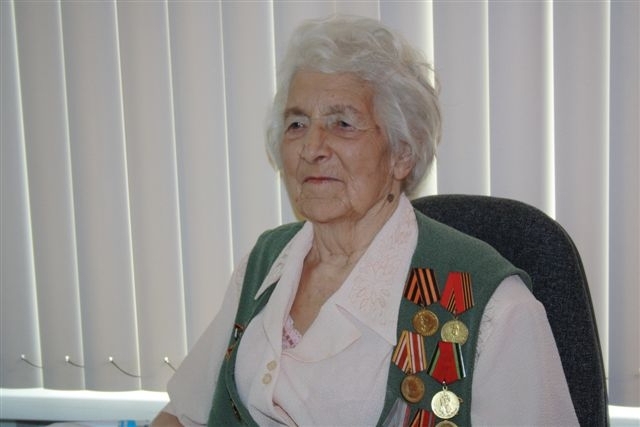
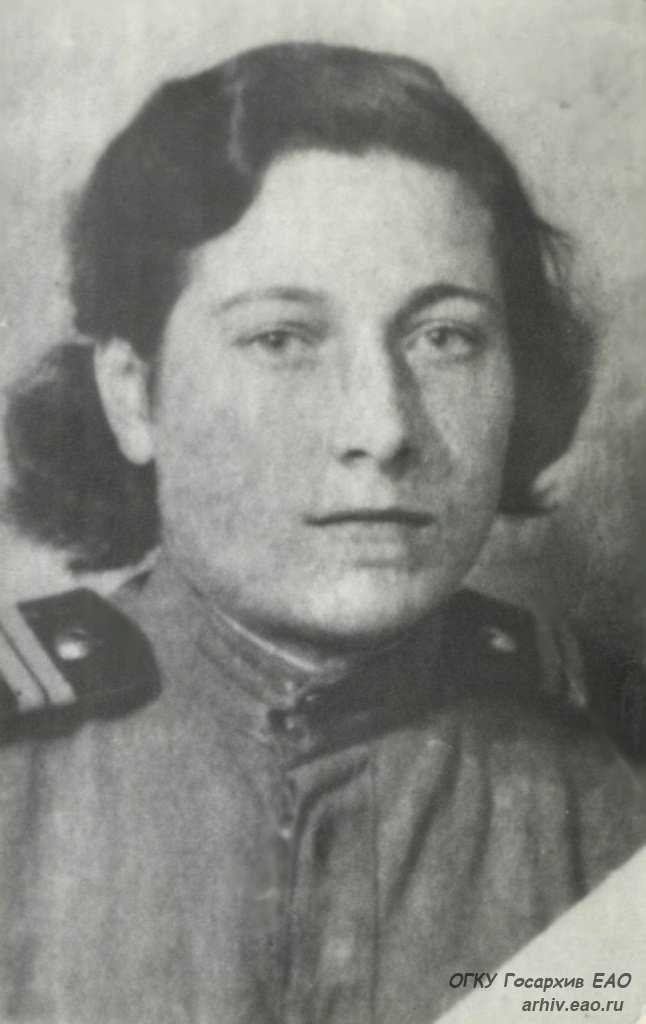
On this day, Olga Fedorovna Matushevskaya was born – participant in the Great Patriotic War, teacher, Honorary Citizen of the Jewish Autonomous Region.
Olga Fedorovna was born in the city of Svobodny, Amur Region. She graduated from high school in 1940, and in the same year she entered the Tomsk Polytechnic Institute. In June 1941 she began her studies, and in September she graduated from nursing courses.
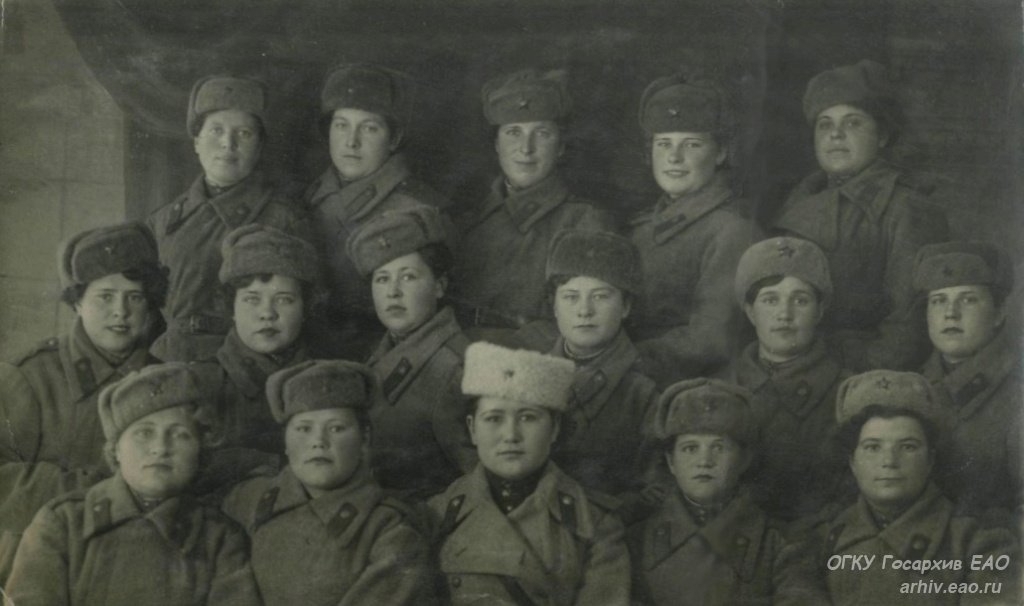
In March 1942, she went to the Bryansk Front as a medical instructor. In April 1944, Olga Matushevskaya exchanged her ambulance bag for a sniper rifle.
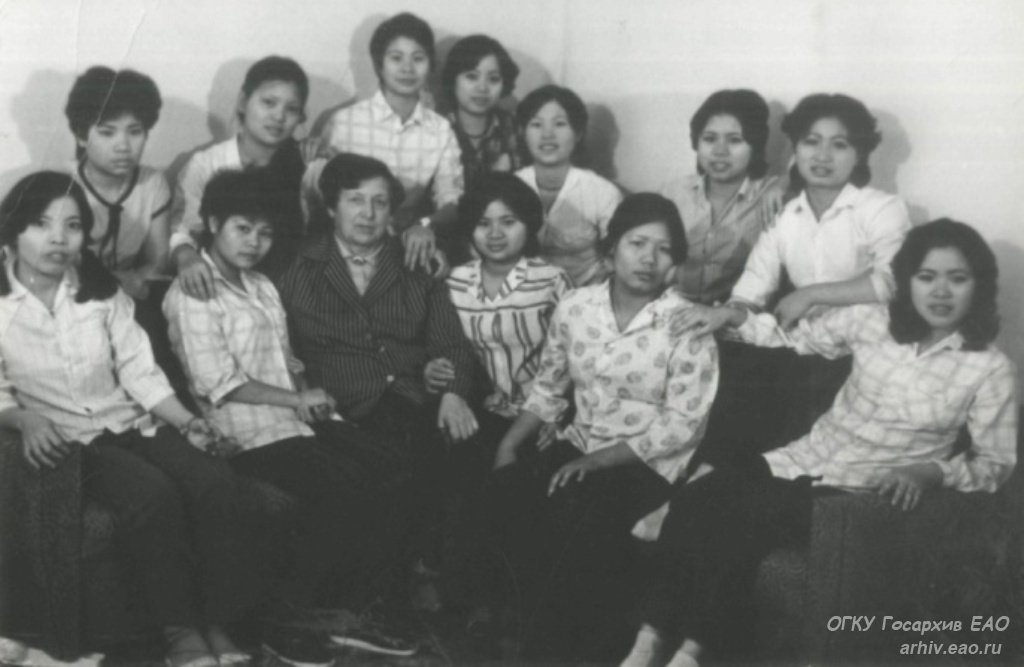
After demobilization, she entered the Khabarovsk Pedagogical Institute. Since 1948, she worked in the Jewish Autonomous Region as a history teacher at the Lenin Secondary School, then as an inspector at the Leninsky Department of Public Education, and from 1950 to 1956 as head of the public education department of the Birobidzhan District Executive Committee. From 1950 to 1959, Matushevskaya O.F. was elected as a deputy of the Birobidzhan city and district Councils of Workers' Deputies.
Since 1956, Olga Fedorovna worked as the director of school No. 6 in Birobidzhan, then as a history teacher until 1984. From 1984 to 1989 she worked at the House of Pioneers as the head of a circle.
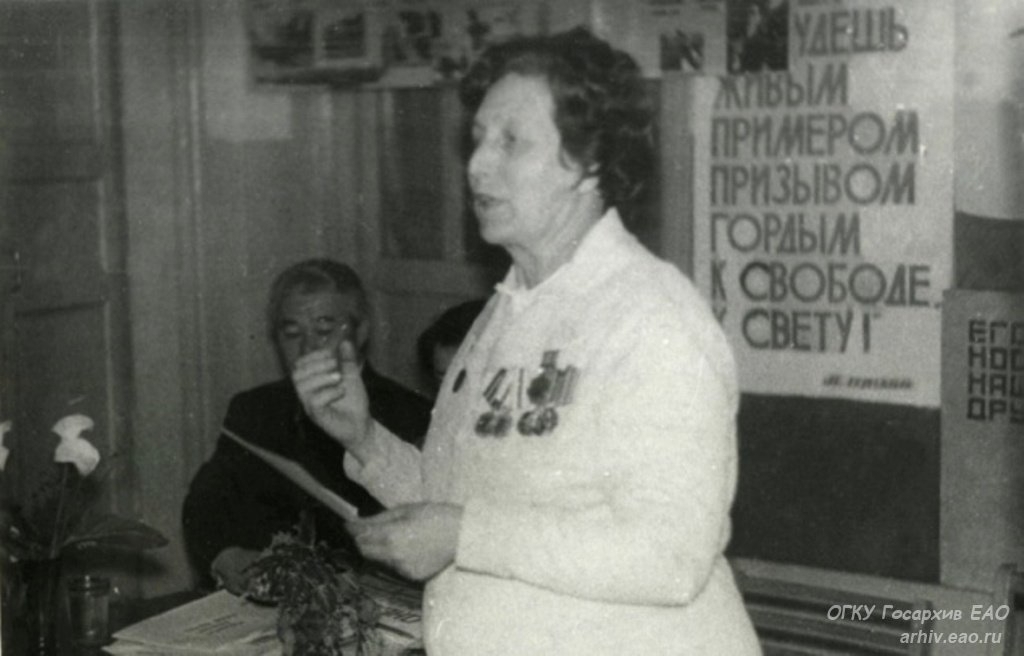
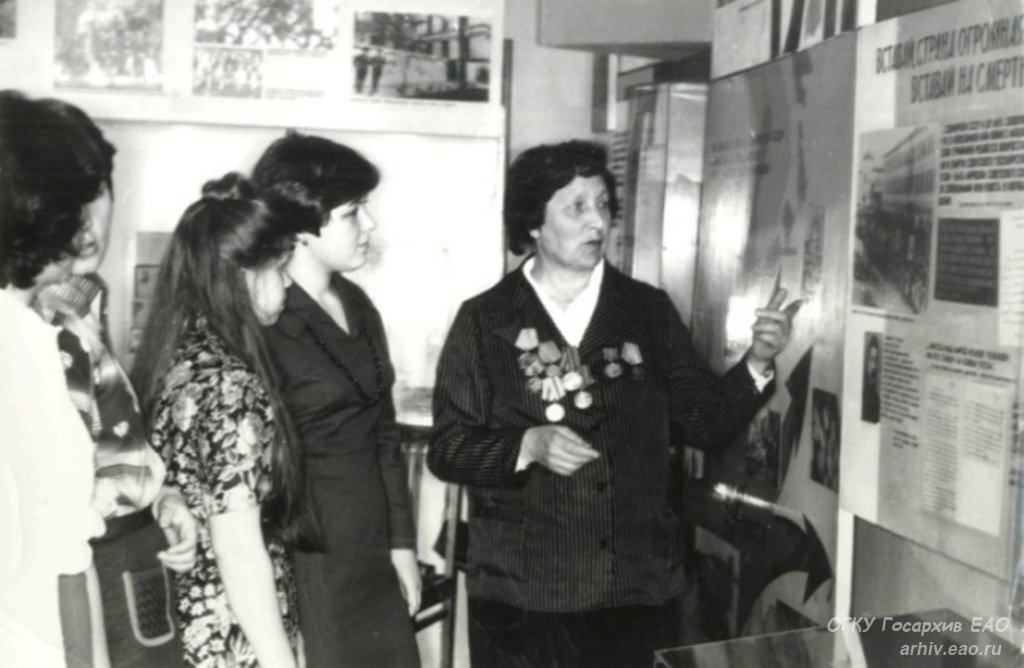
In 1994, O.F. Matushevskaya was awarded the title “Honorary Citizen of the Jewish Autonomous Region.”
While retired, Olga Fedorovna worked as a methodologist at the Center for Children's Creativity; she was able to collect and systematize enormous material on the development of the youth movement in the regional center.
Olga Feodorovna was awarded the Order of the Patriotic War, II degree, medals “For Military Merit”, “For Victory over Germany in the Great Patriotic War of 1941-1945”, “For Victory over Japan”, “Veteran of Labor”, and anniversary medals.
Matushevskaya Olga Fedorovna passed away at the age of 91 on April 4, 2013.
There is a memorial plaque installed on the school building where Olga Fedorovna worked.
June 4, 1944
The book by D. Weisserman “Birobidzhan: Dreams and Tragedy” (12+) contains information that on June 4, 1944, a telegram was sent to the Supreme Commander-in-Chief Joseph Stalin, in which there was a request for permission to organize two homes for Jewish orphans in the Jewish Autonomous Region. They will have to accommodate from 2 to 3.5 thousand children. But Stalin did not respond to this telegram. Perhaps she simply didn’t get to him, or maybe Stalin had no time for it. In any case, there was no refusal, and the leaders of the region considered the silence of the “father of nations” a sign of agreement. Bakhmutsky and Zilberstein, more than two months before sending the telegram to Stalin, issued an appeal to take part in raising funds for the organization of two orphanages for orphans.
June 4, 1991
In order to improve educational work with children and adolescents, on the basis of the decision of the executive committee of the regional Council of People's Deputies of the Jewish Autonomous Region dated June 4, 1991 No. 99, a regional children's and youth sports school of the committee on physical education and sports of the regional executive committee was opened.
June 4, 1983
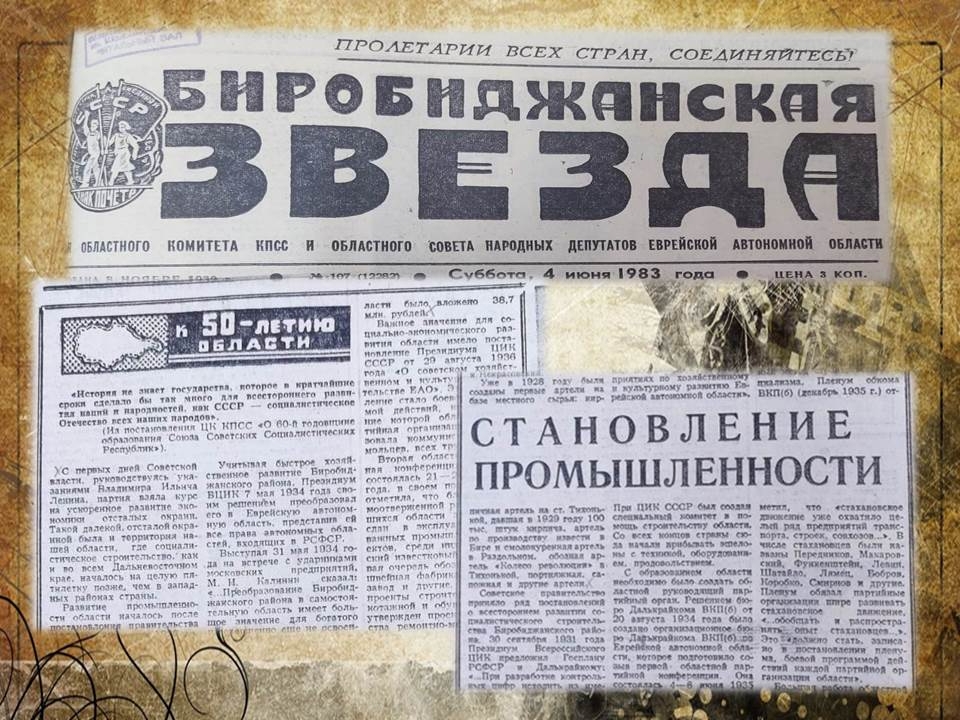
Clippings from the newspaper “Birobidzhan Star”. Photo: Photo: Regional Library
In the newspaper “Birobidzhan Star” (12+) on June 4, 1983, on the occasion of the 50th anniversary of the Jewish Autonomous Region, an article was published by the head of the party archive of the regional committee of the CPSU M. Nemirovsky. In the article he talks about the formation of industry in the Jewish Autonomous Region.
“The development of industry in the region began after the decree of the USSR government of March 28, 1928 on securing “for the needs of the population of working Jews, free lands in the Amur strip of the Far Eastern Territory…” Already in 1928, the first artels were created based on local raw materials: a brick artel, a lime production artel in Bir, a tar artel in Razdolnoye, a wagon train, a tailoring artel, a shoe artel and others…”
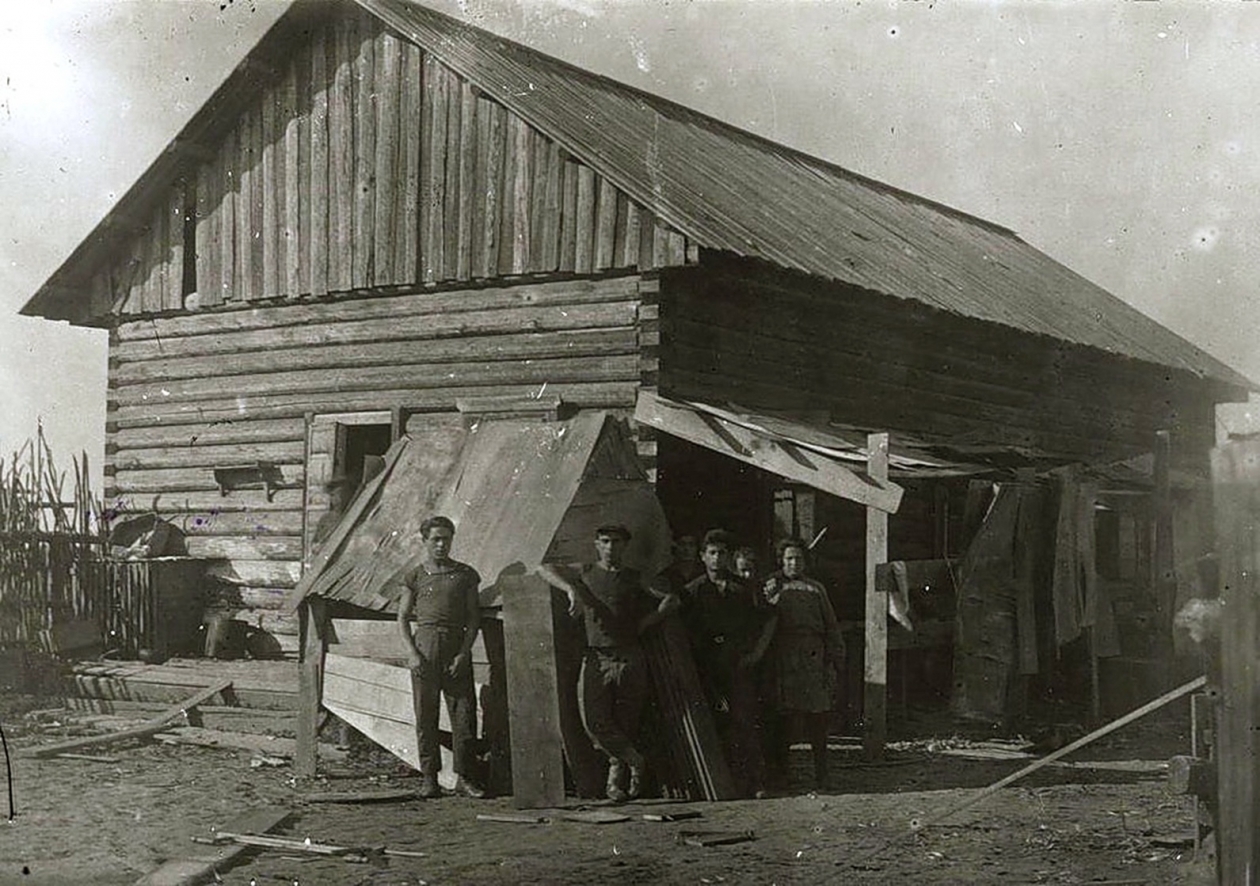
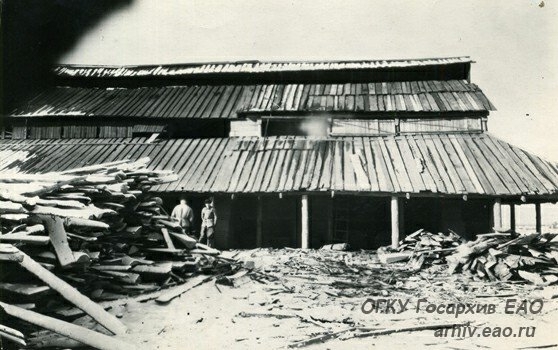
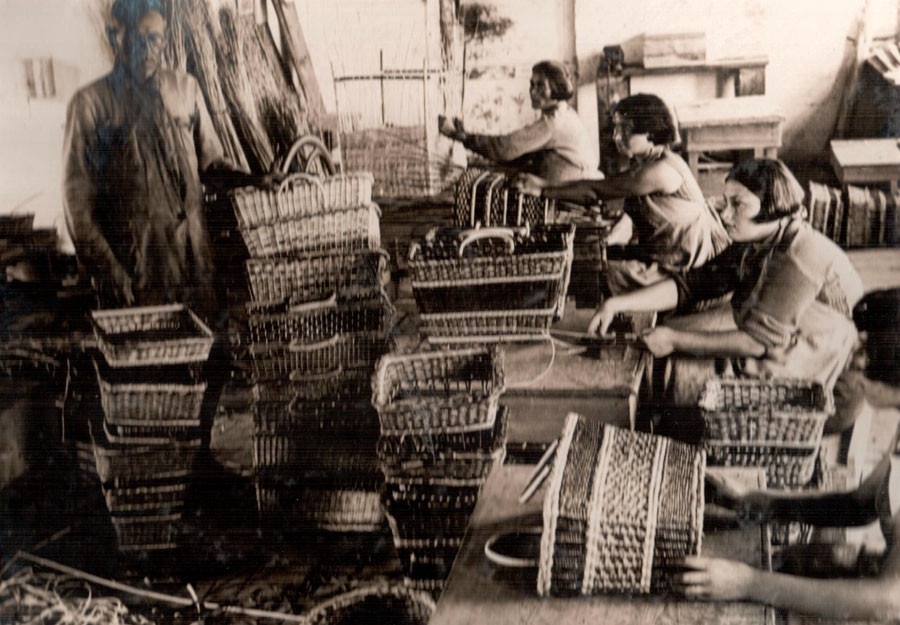
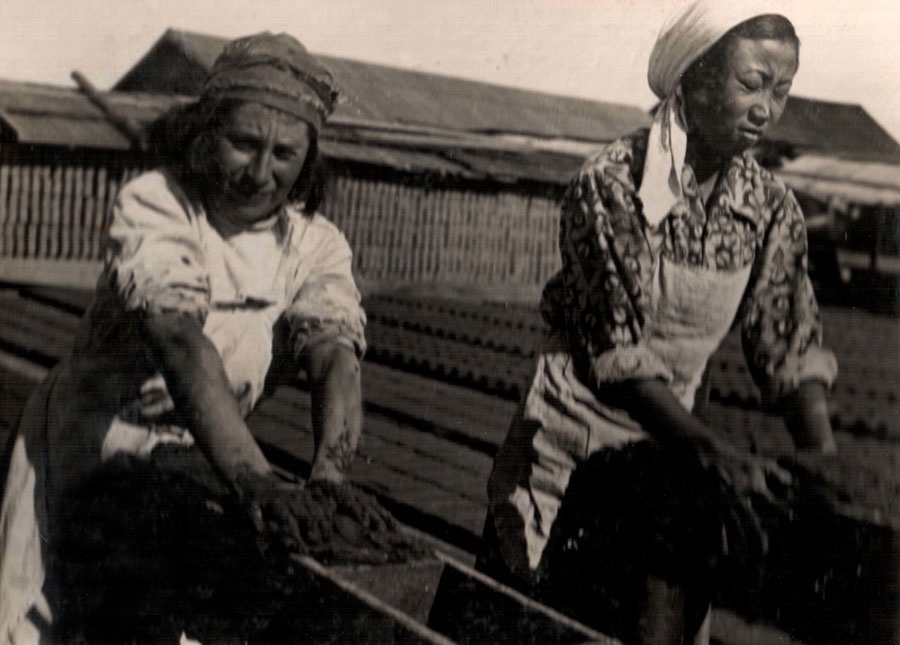
In 1930, they began to restore the timber mill in the village of Nikolaevka, and in the same year a timber mill began to be built in Birobidzhan. In 1931, a lime plant began to be built in Londoko, and in 1932 a small garment factory began operating in Birobidzhan.
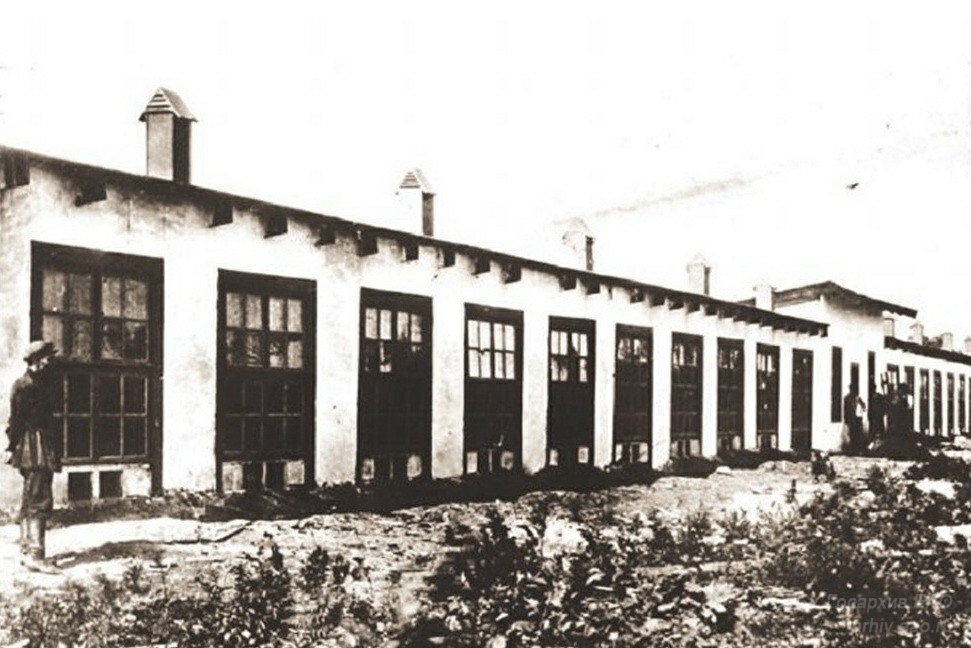
Irobidzhan garment factory. Late 1930s. Photo: Photo: State Archive of the Jewish Autonomous Region
By 1934, the Londokovsky lime plant, the Birobidzhan clothing factory, the Tunguska timber plant, the Sutar gold mines, several brick factories, a building parts factory, and a number of furniture, cooperage and riveting enterprises operated on the territory of the Birobidzhan region.
Taking into account the rapid economic development of the Birobidzhan region, the Presidium of the All-Russian Central Executive Committee on May 7, 1934, by its decision, transformed it into the Jewish Autonomous Region, granting it all the rights of the autonomous regions included in the RSFSR.
During the first year of the region's existence, 12 two-story houses, a theater, a hospital, a bathhouse, a grocery store and a number of other objects were built in Birobidzhan alone.
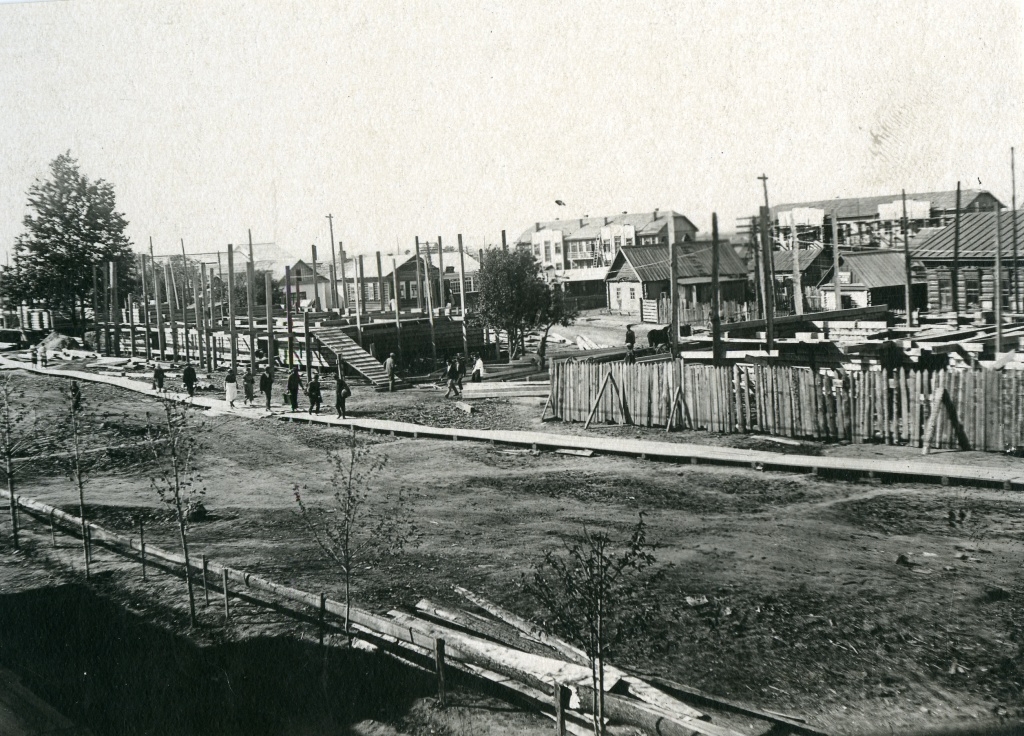
Construction of a new street in Birobidzhan. 1936. Photo: Photo: State Archives of the Jewish Autonomous Region
In the three years that have passed since the resolution of the Council of People's Commissars of the USSR, 26 industrial cooperative artels have been created in the region, schools, a carriage and locomotive depot in Obluchye, and stations in Birobidzhan, Birakan and Obluchye have been built.
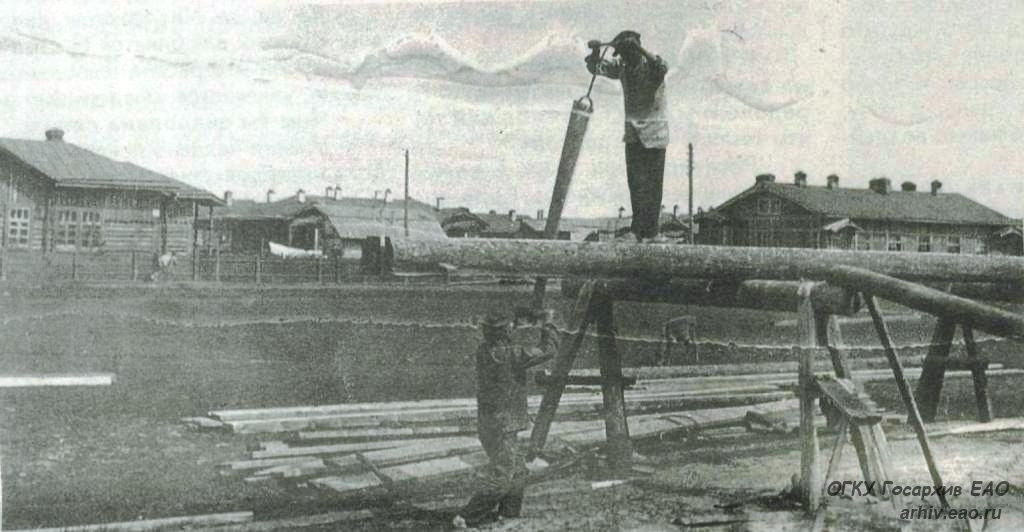
A new school is being built. Photo: Photo: Birobidzhaner stern
Enterprises in the region produced a variety of products: bricks and lime, marble boards and tow, shoes and garments, plywood, furniture and other products.
Already in 1940, the region's industry produced several times more products than in 1934. During the pre-war five-year plans, enterprises in the construction materials, light, food, metalworking and other industries were created in the region.