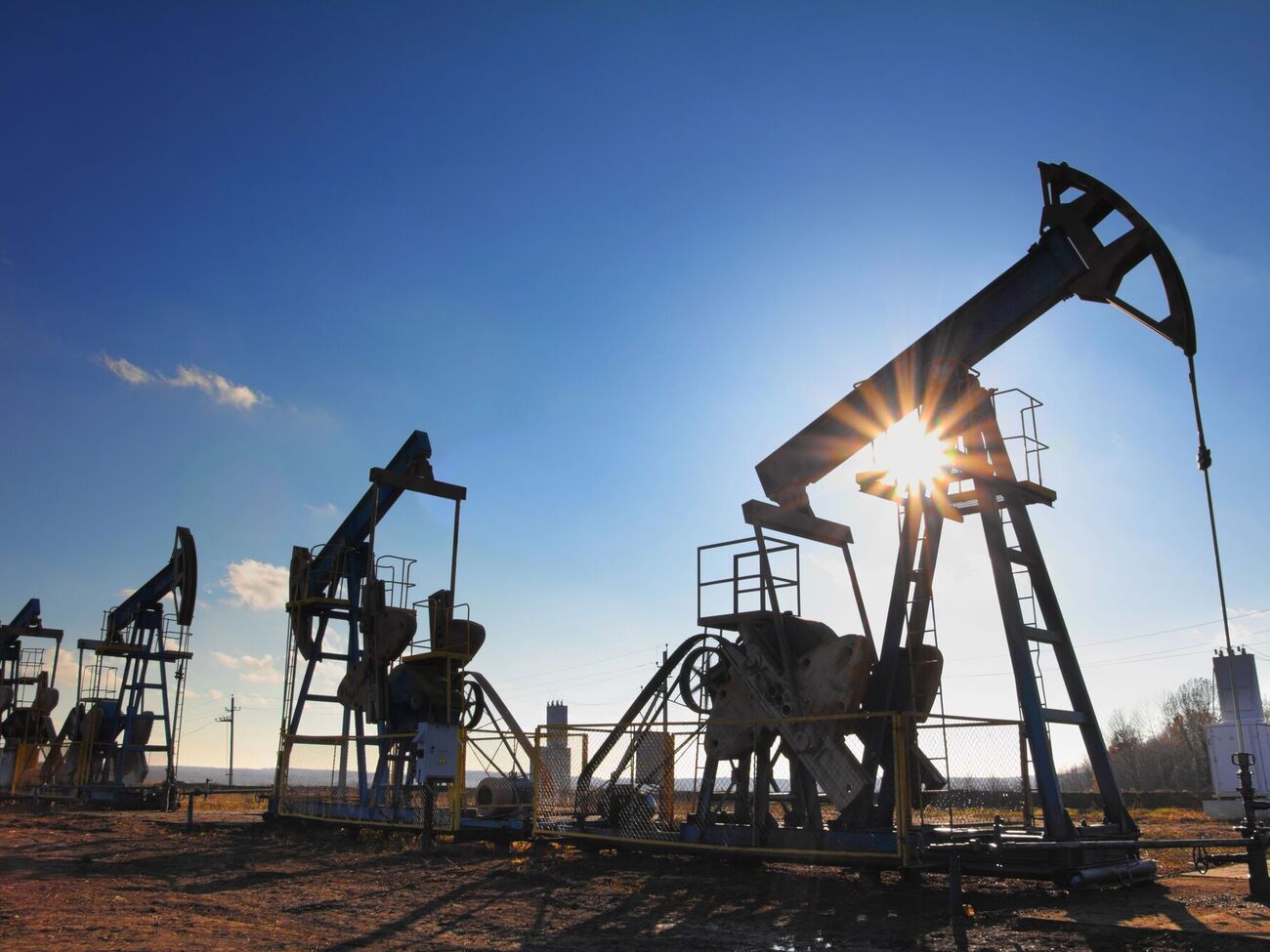
On June 4, oil prices fell almost 1% after Israel and Lebanon agreed to a ceasefire. This increased hopes for a broader agreement on the war with Iran and the possible reopening of the Strait of Hormuz, writes Reuters.
Futures for Brent oil fell by 87 cents to $96.92 per barrel, and for US West Texas Intermediate oil futures fell by 78 cents to $95.24 per barrel. Although the day before they grew by 2% after a new escalation of hostilities in the Middle East, the publication notes.
At the same time, amid the conflict, crude oil reserves continue to decline. According to the US Energy Information Administration, over the week in the country they decreased by 8 million barrels – to 433.7 million barrels. This is twice as much as analysts predicted.
The International Energy Agency recently warned that ahead of peak summer demand, global oil reserves could approach critical levels if they continue to be reduced at the current pace. At the same time, the agency noted, even if supplies quickly resume through the Strait of Hormuz, through which up to 20–30% of the world’s oil was transported, the return to normal volumes will be slow.
That means inventories are likely to continue to decline in the third quarter, keeping prices at risk of further increases, analysts said.