Jurasz about the storm after Zelensky's decision. What's next for Ukraine? We have three options

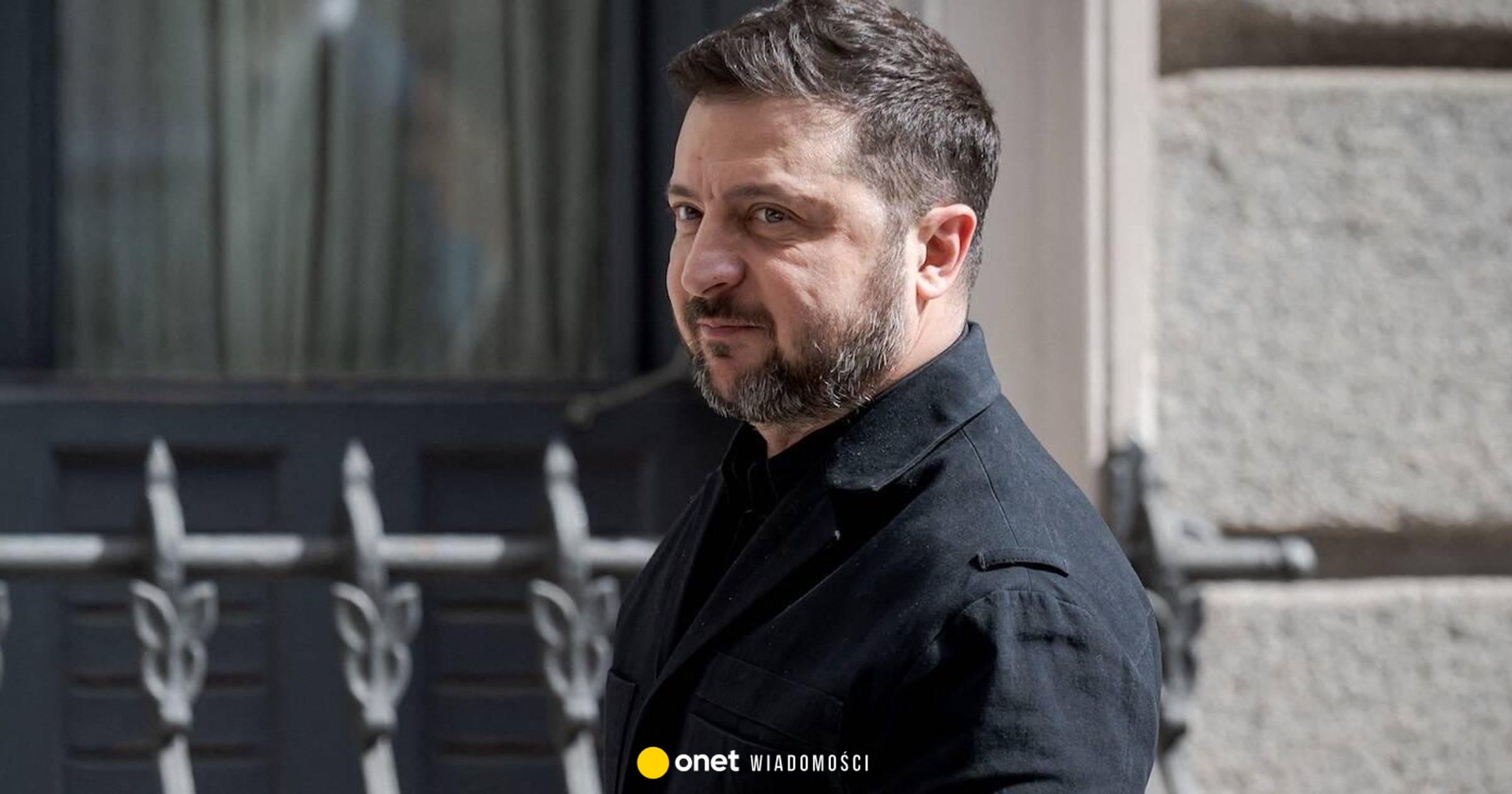
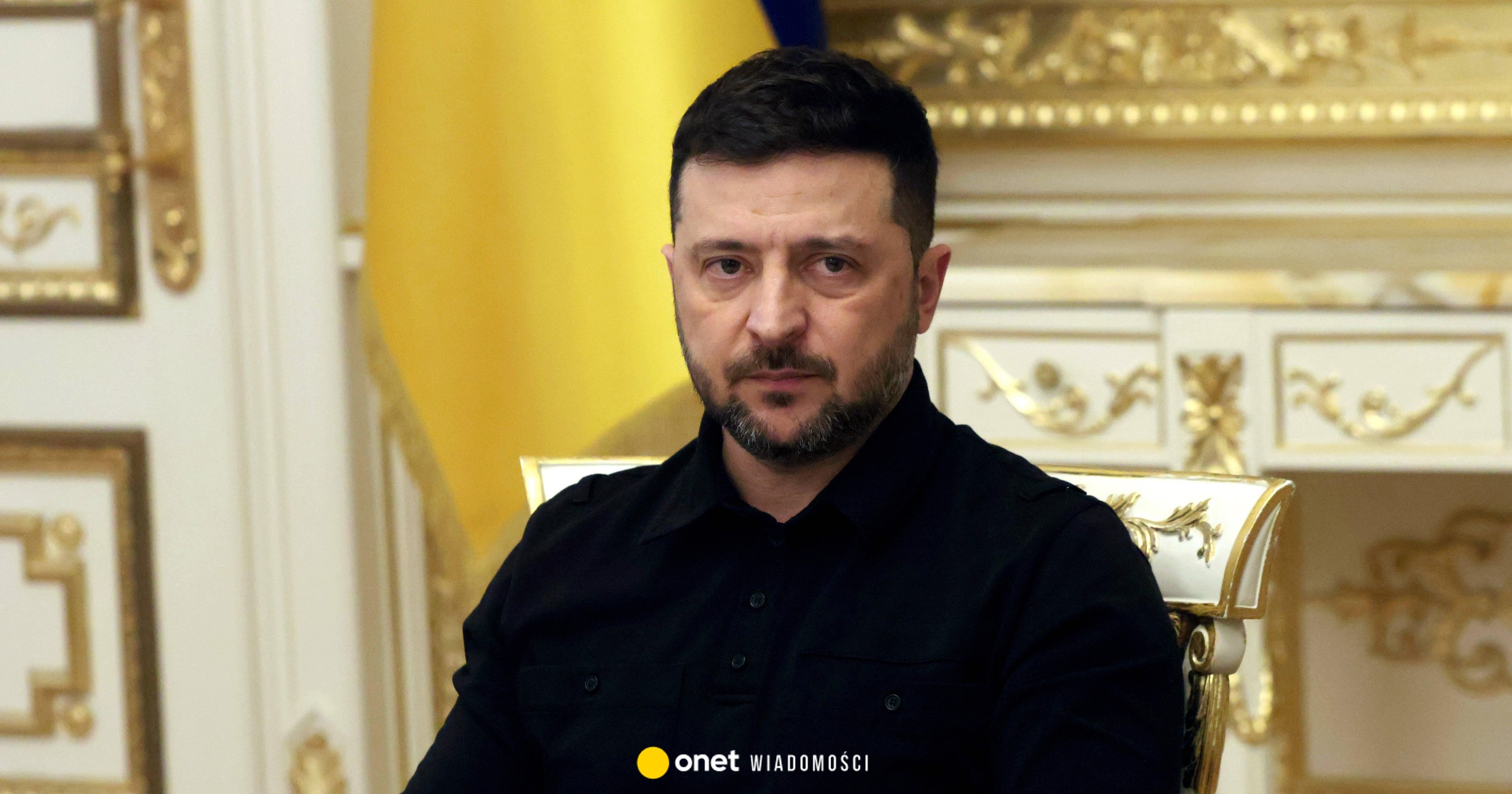
Average Ukrainians may actually know little about the Volhynia massacre. But the Ukrainian political elite and President Zelensky understand everything perfectly. If, despite everything Poland has done for Ukraine over the last four years, they decide to name a Ukrainian army brigade in this way, they are showing contempt for Poland.
Taking away the Order of the White Eagle from President Zelensky will most likely not lead to a change in the Ukrainian side's attitude towards Poland. Therefore, this is not necessarily the best move. On the other hand, the fact that Kiev is once again allowing itself to spit in Poland's face requires a tough, unambiguous reaction. Ukrainians, which we still don't understand in Poland, are simultaneously (fortunately) anti-Russian and (unfortunately) Soviet in spirit. The Soviets understand no language other than force.
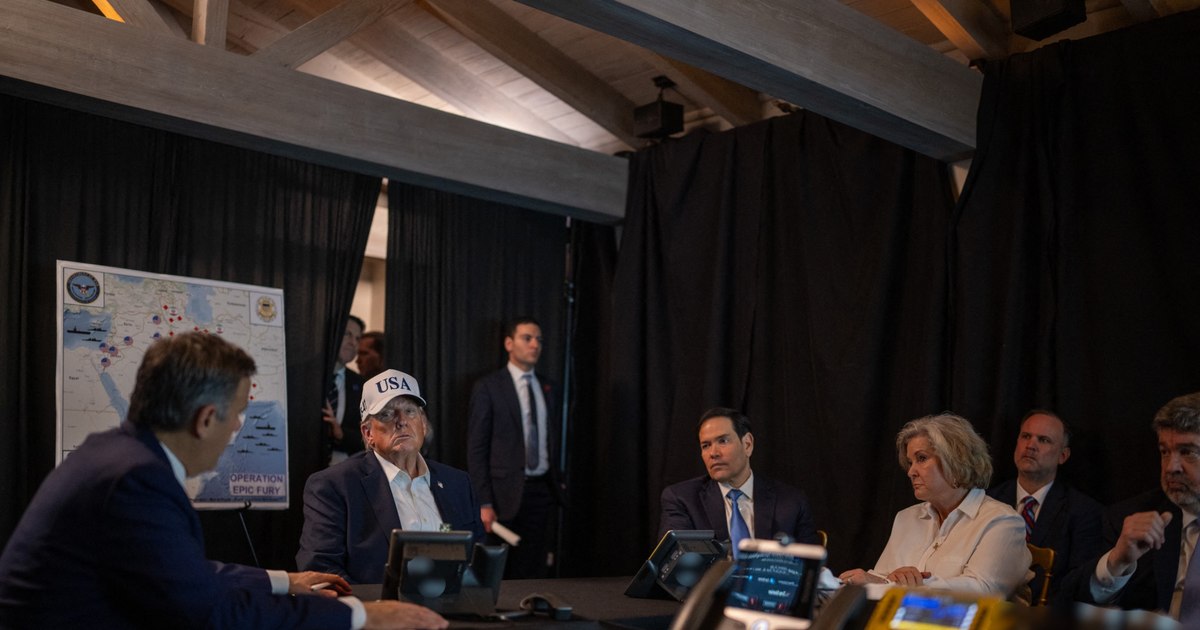
President Nawrocki's hypocrisy is therefore obvious. At the same time, however, proportions are important. Bury's unit murdered several dozen people. The UPA murdered between 100,000 and 200,000. Poles. The difference is obvious.
Karol NawrockiPAP/Przemysław Piątkowski
So it remains to ask ourselves two basic questions. First of all, why did it happen that despite all the help Poland provided to Ukraine, Kiev allows itself to be contemptuous of us. And secondly, what does all this mean for our foreign policy?
The answer to the first question is more complicated and much less obvious than it might seem. It is widely believed, especially on the liberal side, that the Polish extreme right is responsible for spoiling Polish-Ukrainian relations, which, which is partly true, has sometimes made Polish-Ukrainian relations hostage to the Volhynian issue. Meanwhile, the Volhynia issue is only one of many components of our relations. Russian neo-imperialism is much more important.
The Polish right wing has its faults, but it is hard not to notice that it is not the right wing that worships the UPA genociders, but the Ukrainians. And it is not the Polish right wing, but part of the Polish liberal elite, that is responsible for such a policy that has convinced Ukrainians that no matter how many monuments they build to genociders, Poland will accept it.
Warsaw has tried several times to pursue a more assertive policy towards Kiev. Whenever this happened, it was not Russians who wanted to quarrel us with Ukraine, but pro-Ukrainian Poles – including leading politicians and experts – who convinced Kiev that one should not be overly concerned about Polish reservations about Ukrainian historical policy. These were supposed to be a temporary whim.
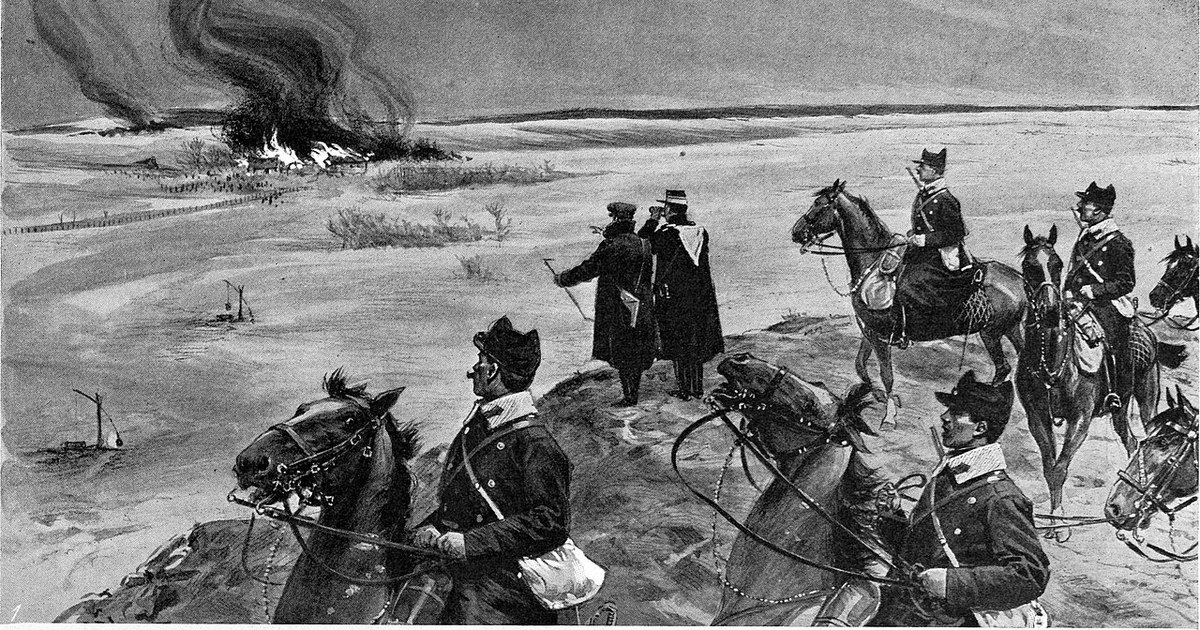
Polish politicians and experts who claimed so were, in fact, committing treason. What's worse, it was a betrayal not only of Poland, but also of reason. Common sense suggested that the Volhynia issue could not be swept under the carpet, as pro-Ukrainian Poles wanted.
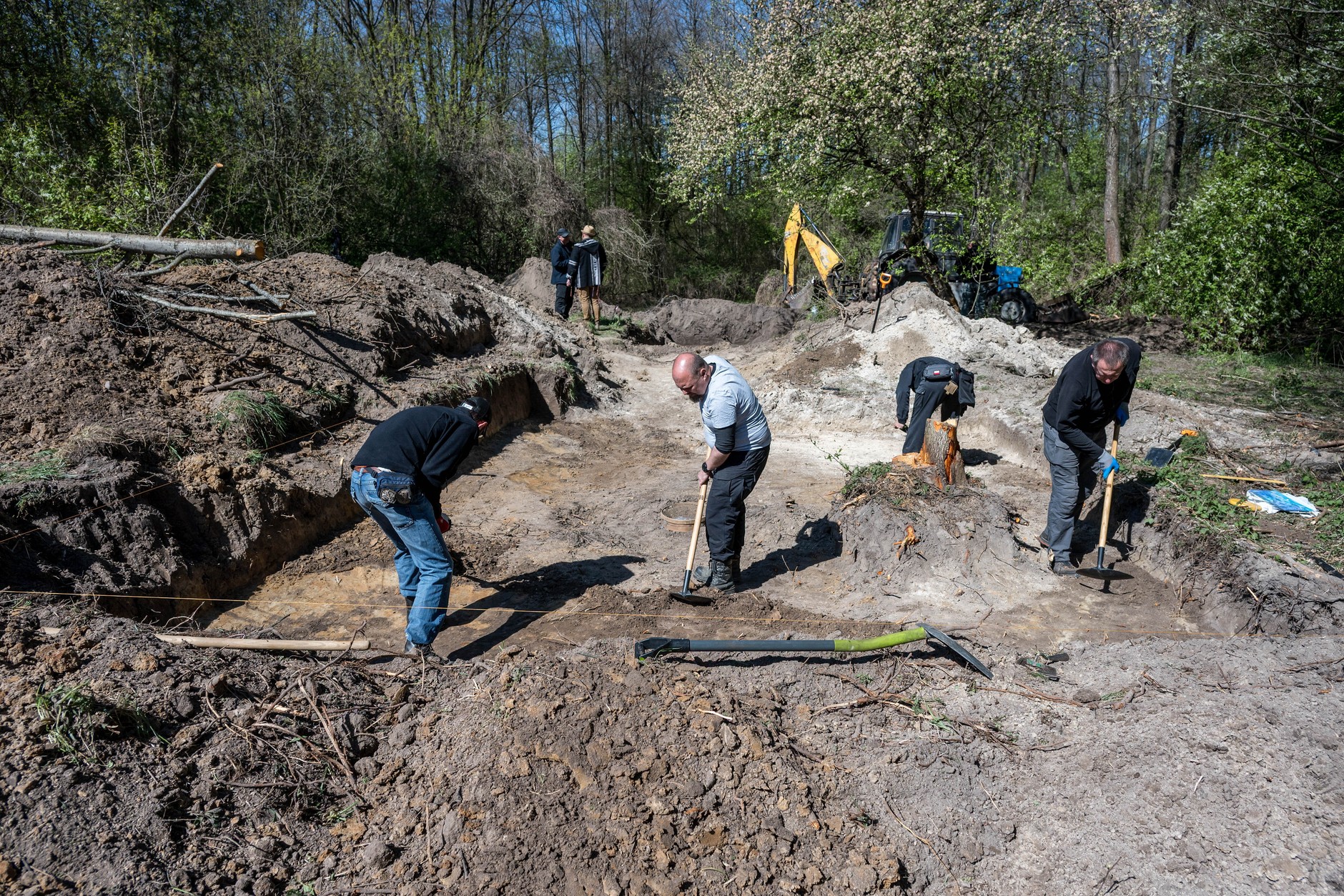
Exploration work in Volhynia (illustrative photo)Vladyslav Musiienko / PAP
Poland was fundamentally different from, for example, France. Firstly, the fact that in Poland the Germans introduced and used the death penalty for helping Jews, but not in France. And secondly, because we did not have a government that collaborated with the Germans. Taking this into account and at the same time stating that we should apologize for Jedwabne, we cannot at the same time explain to Poles that we can only half-heartedly apologize for Volhynia. And that there is no problem when the president of Ukraine worships the UPA genociders.
The second fundamental question is what we should do about the fact that Polish-Ukrainian reconciliation turns out to be a fiction.
Theoretically, of course, we can turn our back on Ukraine. However, Ukraine, unlike Russia, neither threatens us nor wants to limit our sovereignty and independence. Only a Russian spy can suggest such a solution.
The second option is to do the same thing as before, which is to pretend there is no problem. But you can't pretend any longer.
The third option would be to wise up. To be pro-Ukrainian when it comes to the war with Russia, and to be tough – but in a wise way, not in a cheap, demonstrative and therefore stupid way. However, this will not happen.
And this will not happen because too many Polish politicians are either stupidly anti-Ukrainian or stupidly pro-Ukrainian. Too many Polish experts make their living from what can easily be called “dialogism-conferenceism”, i.e. from conversations between irrelevant people in Poland and irrelevant people in Ukraine.
And too many politicians and commentators alike are making political capital on anti-Ukrainianism.
This will not happen because we prefer ersatz dialogue to real dialogue. It won't finally happen because in order for it to happen, we would first have to reach a Polish-Polish compromise (which is, of course, impossible).
For all these reasons, Polish-Ukrainian relations, instead of improving, will increasingly deteriorate. Poland, however, instead of showing the world that we are a serious nation and a serious state that cannot be played, will show the opposite. We will be played by Russia, of course, but also by the United States and Western powers, which would like us to come into conflict with Ukraine.
If Warsaw had not quarreled with Kiev, Poland might have raised some objections to the agreements with Russia. There's a chance we won't cause any trouble.