Drone crisis in Latvia. “We are in danger, be prepared”

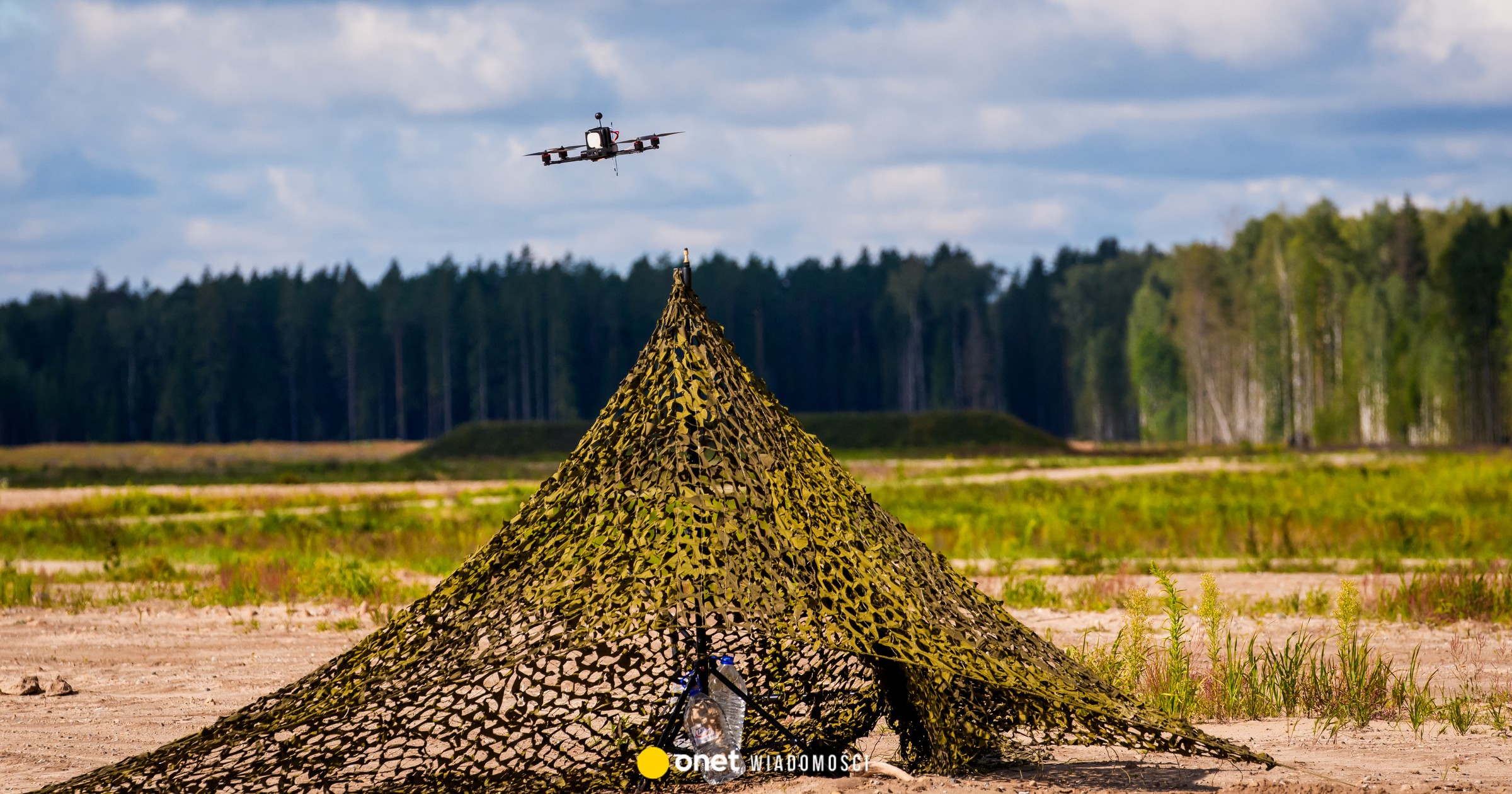
Latvia's new government comes to power with a promise to tackle the drone crisis. However, there is no clear plan on how to solve it.
“All parties agreed that strengthening our air defense and counter-drone capabilities is the most urgent priority,” Foreign Minister Baiba Braze said in a statement to POLITICO. — The overarching priorities in the field of security and defense are reflected in the declaration of the new government coalition.
The drone crisis has rocked Latvian politics at a delicate moment for NATO's eastern flank.
Earlier this month, two drones that entered Latvia from Russian territory crashed near oil facilities, increasing public concerns about the state's ability to detect aerial threats.
Ukraine has launched an intense long-range strike campaign against key Russian targets such as air defense facilities, refineries, pipelines, ports and strategically important factories. Kiev and NATO member states accuse Russia of redirecting Ukrainian drones to allied airspace; they were also spotted over Lithuania and Estonia.
Former Prime Minister of Latvia Evika Silina at the Drone Summit in Riga, May 27, 2026.VALDA KALNINA / PAP
A tougher approach to drones
While Braze is expected to remain foreign minister in the new coalition, Spruds is currently a member of the Latvian parliament's defense committee. The new defense minister is Colonel Raivis Melnis, a former representative of the Latvian armed forces in Ukraine, whose appointment is intended to signal a more operational response to the crisis.
Kulbergs presented this reconstruction as a means of restoring public trust.
Braze said Melnis' priority will be “rapid integration of Ukraine's combat experience, technologies and proven solutions” into the Latvian defense system, especially in the areas of drones, electronic warfare and air defense.
However, the crisis has also revealed a difficult political reality: even if drones are not directly aimed at Latvia, governments can fall if the public loses confidence in the state's ability to deal with the threat.
Spruds, speaking to POLITICO at this week's drone summit in Riga, where representatives from industry, the military and senior politicians discussed drone development and procurement, argued that the issue has become more important than one ministry or a single resignation.
“Drone incidents should be taken very seriously,” Spruds said. However, he warned that they should not be treated as a purely internal political failure, given that they are “a consequence of Russian aggression in Ukraine.”
— It's not just about detection and capture. It's also about communication, he added.
The new coalition is now trying to take a more decisive approach. Reinis Poznaks, a Latvian Member of the European Parliament from the right-wing European Conservatives and Reformists faction, associated with Kulbergs' political camp, said that too many defense plans still exist only “in PowerPoint” and not in reality.
“Unfortunately, drones cannot be stopped,” Poznaks told POLITICO during the same summit. — We just need to be much better prepared.
Poznaks argued that Latvia's greatest weaknesses lie in its population detection and warning systems, which are now being tested in real conditions for the first time.
— The first goal of the new government should be to convey the difficult truth to citizens: [że] we are in danger, be prepared – he said.
Conclusions from Ukraine
Officials close to the new coalition admit that the challenge goes beyond Latvia's borders.
A person familiar with the government's defense discussions said the new leadership wants to work closely with Ukraine to learn lessons from the battlefield, but added NATO countries still struggle to understand what drone-intensive warfare means for Western militaries based on more conventional tactics.
“In practice, there has been a lot of talk and much less active change,” the official said.
Analysts warn that Latvia's interim government may have too little time to implement anything beyond minor amendments. The next parliamentary elections are scheduled for October, leaving the coalition with just a few months before the election campaign dominates politics.
— I don't expect much from the new Latvian government, said Bartosz Chmielewski, an analyst for the Baltic countries at the Warsaw think tank Center for Eastern Studies. — It is difficult to expect that this cabinet will introduce extensive changes and reforms because it is operating in the pre-election period.
Instead, as Chmielewski said, the government's most realistic achievements in the short term may be improving Latvia's drone SMS warning system and meeting deadlines in long-term air defense programs — including deliveries of Swedish RBS 70 NG and German IRIS-T systems.
This may force the new Latvian government to face an uncomfortable reality: the crisis that led to the fall of the previous administration is not a problem that can be fully solved, but only managed better before the next elections.