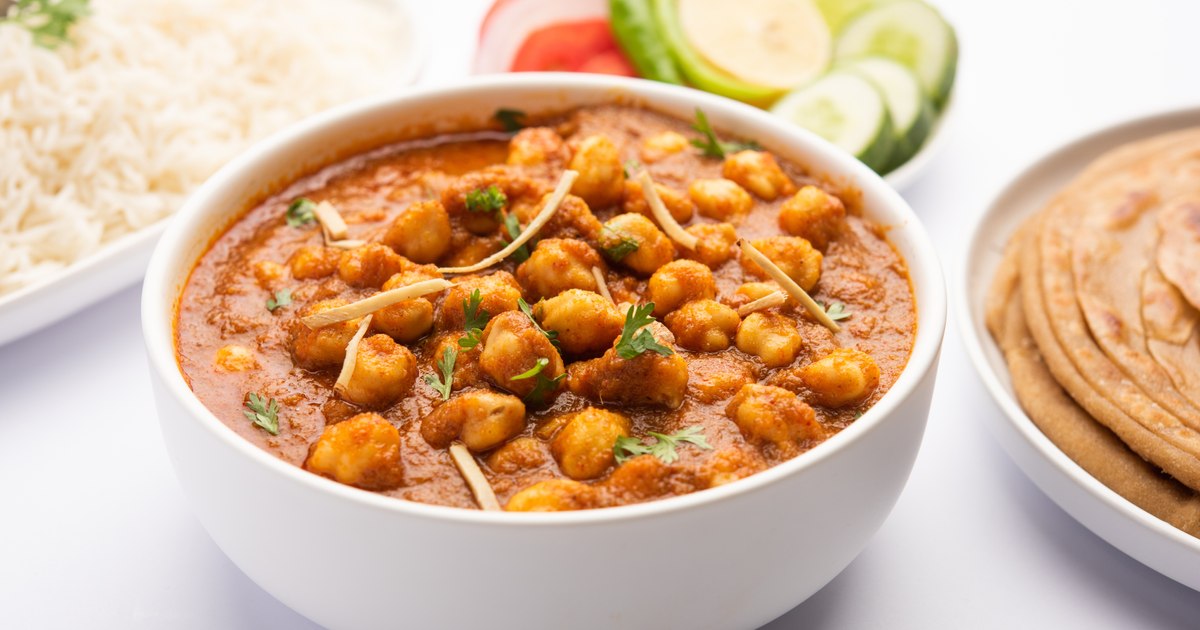
Regular consumption of beans, lentils, chickpeas, tofu or other soy products could significantly reduce the risk of hypertension, according to an analysis published in the journal BMJ Nutrition Prevention & Health.
Beans and soy, associated with a lower risk of hypertension | Photo credit: Shutterstock
Researchers have found that people who frequently consume legumes and soy-based foods are less likely to have high blood pressure, and the effects become visible even with moderate amounts consumed daily.
The analysis included data from 12 long-term observational studies in the United States, Europe and Asia. In total, the researchers analyzed information from tens of thousands of participants, tracking the link between diet and the onset of hypertension.
The results showed that people with the highest consumption of legumes had a 16% lower risk of developing hypertension compared to those who consumed the lowest amounts. In the case of soy-based foods, the risk reduction reached 19%.
What's more, the researchers noted that the benefits increase with the amount consumed. In the case of legumes. More precisely, in the case of a consumption of 170 grams per day, the risk was reduced to almost 30%. For soy products, the most important benefits were observed at a daily consumption of 60-80 grams.
What foods fall into this category?
When we talk about legumes, we mean foods like beans, lentils, peas and chickpeas. The category of soy products includes tofu, soy milk, edamame, tempeh or miso.
According to the researchers, 100 grams of legumes or soy products is about one cup or five to six tablespoons of cooked beans, chickpeas, lentils or soybeans, or a palm-sized portion of tofu.
Researchers say there are several explanations supporting the link between eating these foods and reducing the risk of high blood pressure. For example, legumes and soy products are rich in potassium, magnesium and fiber, nutrients known for their role in maintaining healthy blood pressure.
Additionally, recent studies suggest that the fiber in these foods is fermented in the gut and produces short-chain fatty acids, compounds that can help blood vessels relax and dilate. Soy products also contain isoflavones, plant compounds that researchers say may help lower blood pressure.
The study authors say, however, that the analysis also has some limitations. The included studies looked at different types of legumes, different preparation methods and different definitions of hypertension. Also, the level of food consumption varied greatly from one study to another.
“Despite these limitations, the findings of this meta-analysis have important implications for public health, given the alarming increase in the prevalence of hypertension globally”wrote the researchers, quoted by Science Daily.
They also pointed out that in Europe and the UK, average legume consumption remains well below current recommendations for cardiovascular health.
“Current consumption of legumes in Europe and the UK remains below dietary recommendations, with averages of just 8-15 grams per day, well below the 65-100 grams recommended for cardiovascular health”the authors explained.
Professor Sumantra Ray, Executive Director of NNEdPro Global Institute for Food, Nutrition and Healthbelieves the results increasingly support the benefits of plant-based diets for heart health.
“This research strengthens the evidence for the cardioprotective benefits of plant-based diets. The study further supports the consumption of legumes and soy products to reduce the risk of hypertension,” he declared.
The specialist also drew attention to the fact that the benefits of soy products seem to stabilize after a certain level of consumption and that further research is needed to understand exactly this effect.
“We cannot completely rule out the influence of factors that were not measured. The researchers also say that more studies are needed to understand why the benefits of soy consumption seem to stabilize after 60-80 grams per day.” the teacher explained.