At a time when anti-immigration discourse is gaining ground in more and more European states, Spain is taking the opposite approach: trying to attract migrants to revitalize depopulated rural areas at risk of demographic extinction.
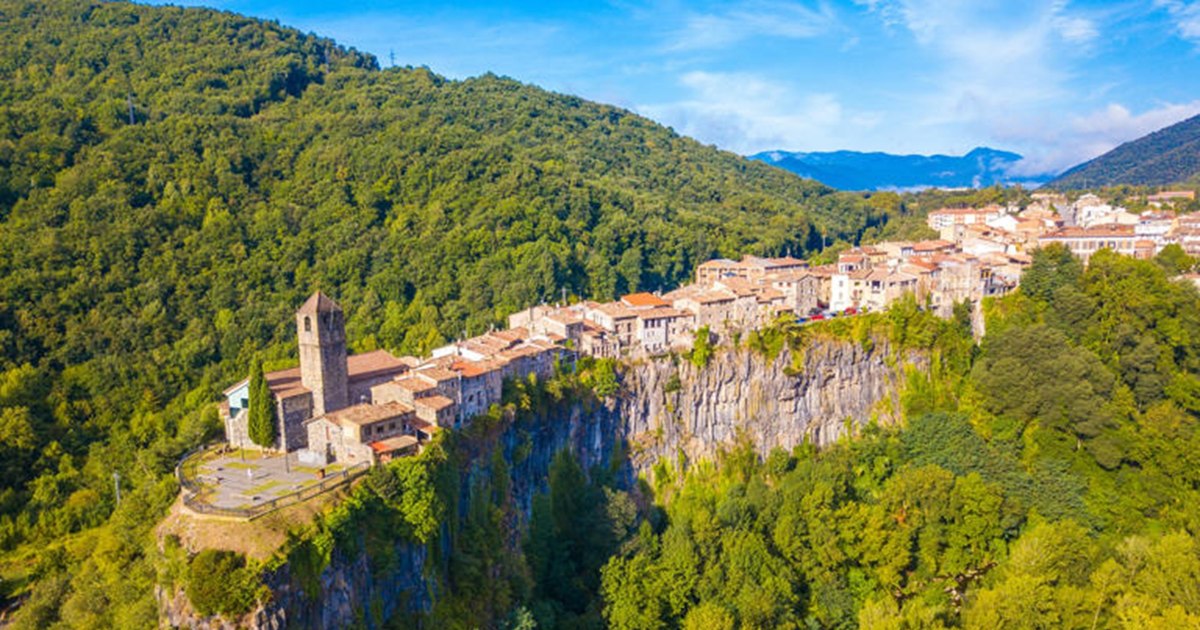
Village in Spain
The government in Madrid, led by Prime Minister Pedro Sánchez, sees immigration as a solution both for the economy and for what is increasingly being called “empty Spain” – vast regions where the population has shrunk dramatically in recent decades.
According to the Financial Times, Spanish authorities are targeting migrants from former colonies in particular, hoping that they could help repopulate villages and boost the economy of rural areas. In parallel, however, this strategy comes in a tense context: overburdened cities, the housing crisis and the rise of far-right groups.
Spain is going against the European trend
“Without immigration, Spanish villages have a very difficult future”says Francesc Boya, government official responsible for demographic policies and coordinator of the national strategy for rural areas.
These regions, which cover about 84% of Spain's territory, are home to only 16% of the population. Internal migration to the big cities has left behind areas with demographic densities comparable, in some cases, to those of the arctic regions.
Pedro Sánchez's socialist government is thus distancing itself from the European trend of tightening migration policies, citing the aging population and declining birthrate.
“The only way to maintain a sustainable demographic pyramid is to attract new residents to the villages. Some may come from the cities, but many will come through immigration”explains Boya.
One in five inhabitants is a migrant
In less than 25 years, the share of foreign nationals in Spain has increased from about 5% to almost 20%, a higher level than in the United States.
The country's population has grown by around 9 million people from 2000 to the present, an evolution largely attributed to immigration. This influx of labor, particularly from Latin America, has supported one of the world's fastest-growing developed economies.
However, the side effects are increasingly visible: rising housing prices, pressure on infrastructure and public services in big cities, as well as political capital for radical right-wing groups, especially Vox.
Huge anger in Madrid: Tens of thousands of people demand the resignation of Prime Minister Sánchez and early elections, after corruption scandals rock the government
The Sánchez government, in power for nearly eight years, is criticized by the conservative opposition and Vox for its migration policies, including a sweeping regularization measure that could provide residency and work permits for hundreds of thousands of undocumented people.
Villages, the new “ground of integration”
In this context, Madrid launched a national strategy for rural areas, with the aim of reducing the economic and infrastructure gaps between cities and villages.
“We don't want to force people out of the cities. But we can encourage voluntary relocation, especially of those affected by high housing costs”says Francesc Boya.
The government finances local projects aimed at attracting migrants to the countryside, including language courses and integration programs in education, health or household management.
An example is the town of Villagatón in Castile and León, with about 600 inhabitants, where most of the employees of an umbrella and fence factory come from Senegal, Gambia and Colombia.
A slow but profound demographic shift
Although immigration especially supported agriculture in southern Spain, in the interior of the country many villages continued to depopulate for decades as young people migrated to the cities and the aging population was left behind. In some regions, transport services have been reduced or eliminated, schools have closed and access to medical services has become difficult.
Currently, although migrants represent almost 20% of Spain's population, in sparsely populated areas their share is only 8.9%.
The birth rate remains one of the lowest in the European Union, with approximately 1.1 children per woman, while life expectancy is among the highest in the EU bloc – around 84 years.
Limited resources, high stakes
The government also supports non-profit organizations involved in the integration of migrants, including through rural employment programs. Funding, however, remains relatively low: last year, the funds allocated to these initiatives amounted to approximately 52 million euros, which will increase to at least 80 million this year.
In parallel, some projects, including those coordinated by foundations with religious ties, try to connect migrants with jobs in villages where local businesses are at risk of disappearing due to lack of staff.
Madrid's strategy remains a controversial one, in a fragile balance between the need to revitalize rural areas and the increasingly accentuated political tensions surrounding migration in Europe.