16 concerts turned into a huge economic engine. How live music beats a global sports tournament

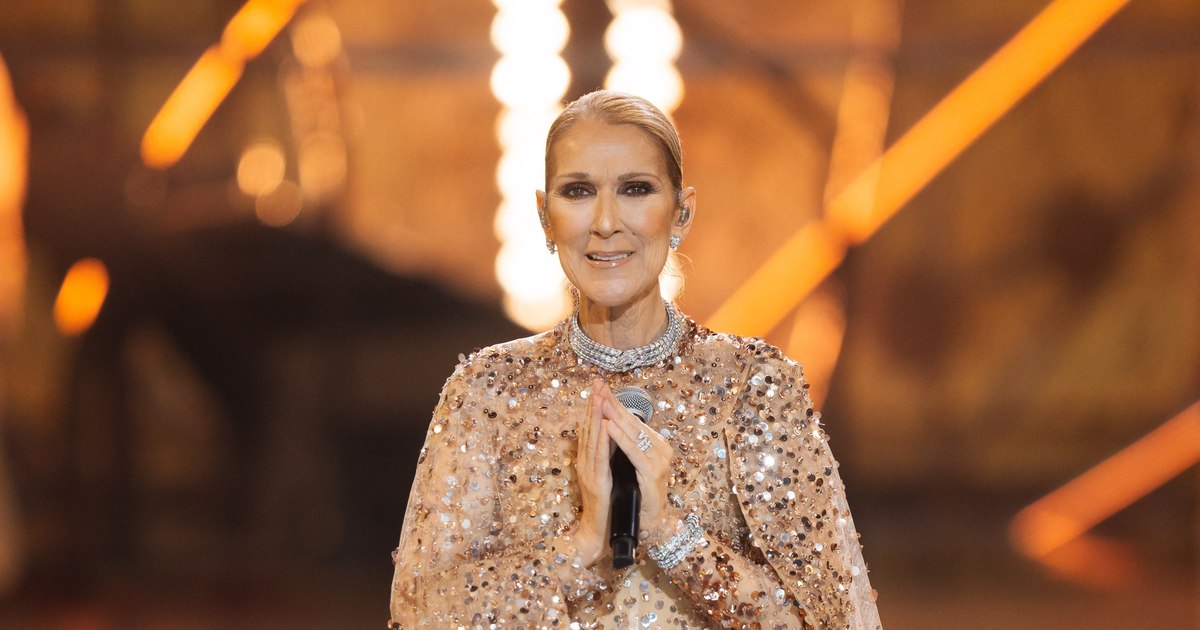
Céline Dion's return to the stage is not only one of the most anticipated musical events of recent years, but also an economic phenomenon that could bring hundreds of millions of euros to the French economy.
Celine Dion's concerts bring France hundreds of millions of euros. Profimedia photo
At 58, the Canadian artist announced her comeback with a spectacular video filmed at the base of the Eiffel Tower, and the reaction of fans was huge. The 480,000 tickets for the 16 concerts scheduled at Paris La Défense Arena sold out in just four days, while more than nine million people worldwide pre-registered for access.
For Paris, the return of the artist means much more than music. Economists are already talking about the emergence of a new phenomenon: “Dionomics”, a concept that describes how a single cultural event can become an economic engine comparable to a global sports event.
Nine million people wanted tickets
The huge interest in the concerts exceeded any initial estimate. According to XTB analysts, the number of pre-registrations for tickets may represent a new world record for a music marathon organized in a single city.
The 16 shows will take place between September 12 and October 17 and transform the French capital into a global center of the live music industry for more than a month. Unlike classic tours, where the concerts are divided between dozens of cities and countries, the model chosen by Céline Dion is a residency type, similar to the big shows organized in Las Vegas. The difference is that, this time, all the economic and tourist pressure is concentrated in one place: Paris.
What is “Dionomics”
Analysts estimate that the total economic impact of the event may reach between 400 and 700 million euros for the Île-de-France region. The phenomenon was called “Dionomics” because it perfectly illustrates how live music can generate economic effects in the chain: the increase in hotel reservations, the explosion of consumption in restaurants and retail, the increase in air traffic, the increase in revenues from transport and tourism and the support of jobs in services and entertainment.
According to Oxford Economics, every $100 spent on tickets by an out-of-town tourist generates an additional $335 in the economy through additional spending. In other words, the concert ticket becomes only the starting point for a huge wave of consumption.
Foreign fans leave thousands of euros in the local economy
One of the explanations for the huge economic impact is the profile of the audience. About a third of the spectators are expected to come from outside France, and many of them come from markets with high purchasing power such as Canada, Australia or the United States.
While a local spectator may spend around €200 to attend the concert, international tourists are expected to leave around €1,200 each in the local economy. Spending includes premium hotels, restaurants, transportation, shopping, tourist experiences and luxury goods. For the local economy, this type of audience is extremely valuable because it generates consumption in a very wide range of industries.
Celine Dion, rare image with her three sons. The emotional message sent on Mother's Day
Paris hotels are among the big winners
The first economic effects are already visible in the hospitality industry. Booking data shows a 400% increase in demand for hotels near the arena.
The Marriott International Group, official partner of the event, has already launched premium packages for the artist's fans through its loyalty program. For Paris hotels, Céline Dion's concerts come at a strategic moment. After the boom generated by the 2024 Summer Olympics, the tourism and services industry was trying to avoid a period of slowdown and falling bookings. The music marathon thus functions as a major new economic stimulus for the city.
Nostalgia becomes business
The success of the shows is not only based on the notoriety of the artist, but also on the emotional component. The return of the collaboration between Céline Dion and Jean-Jacques Goldman reactivates what analysts call “nostalgic capital”.
The main concert audience consists of mature people with high incomes and low price sensitivity. This segment is known in economics as the “Silver Economy” and represents one of the most profitable consumer categories for the entertainment, tourism and luxury industries. Practically, nostalgia becomes an extremely valuable economic resource.
Concerts are becoming a huge business for investors
Beyond the artistic dimension, the event is also a model of financial efficiency for the live entertainment industry. Organizing the 16 concerts in one arena over five weeks greatly reduces the logistical costs associated with a classical world tour. There is no need to constantly transport equipment, scenes and personnel between dozens of cities and countries.
Céline Dion, emotional message at Eurovision. Sweden, rated as the main favourite
This allows for lower operating costs, higher profit margins, more consistent investment in show production and more predictable revenue. At the center of the entire economic mechanism is Live Nation, one of the largest global live entertainment companies. The company controls both the administration of the arena and the sale of tickets through Ticketmaster, which allows it to capture revenue throughout the entire economic chain of the event.
Paris, the laboratory of the new economy of live music
The Céline Dion case shows how big concerts have long surpassed the status of simple cultural events. They now function as economic tools capable of influencing tourism, the hotel market, retail and urban consumption.
For Paris, “Dionomics” can become a new economic model for major capitals that are trying to transform the entertainment industry into a growth engine. And for the global music industry, the huge success of Céline Dion's residency proves that a single artist can mobilize millions of people and inject hundreds of millions of euros into a local economy almost as effectively as a global sporting event.