The streaming app has struck a deal with Universal Music that allows subscribers to create “authorized” covers and remixes using artificial intelligence, writes the Financial Times.
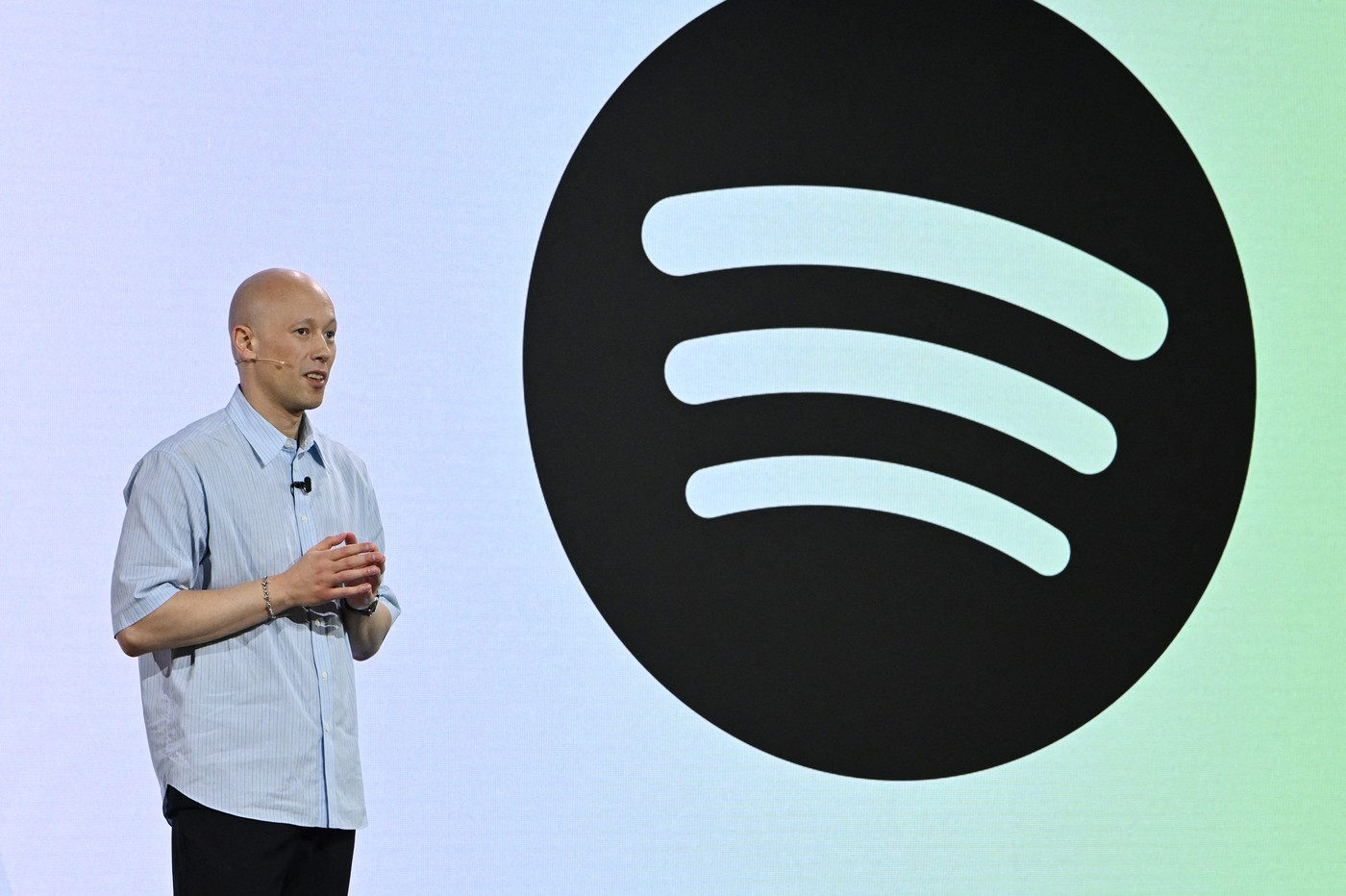
Alex Norström, one of Spotify's chief executives, has defended the presence of AI-generated music on his app, arguing that “controlled” products offer a better alternative to “AI slop”, the low-quality unregulated content already spreading across the internet.
In an interview with the Financial Times, Norström stated that Spotify wants to be “the legal one” and “the controlled one”.
So on Thursday, the company struck a deal with Universal Music that will allow subscribers to create AI-generated covers and remixes of artists' songs.
The tool – which will cost extra money – will allow “one song to make 10,000 songs” on the Spotify app, Norström told investors, as part of a series of announcements that sent share prices up 18%.
It's not yet known how much this feature will cost, on top of the standard Spotify subscription.
Stronger and stronger backlash from artists and listeners
While Universal has previously struck AI deals with smaller start-ups, Spotify is the first major streaming platform to launch a commercial AI-powered music product with the backing of a record label.
The deal marks a significant moment for the music industry, with the dominant streaming service now openly embracing AI-generated music.
In the statement given to the FT, Norström acknowledged that there is a growing backlash from artists and listeners to the “AI-generated sides” flooding digital platforms.
“There's definitely some negative attitude towards AI. I think it's understandable because some of it is due to poorly targeted AI,” he said.
But Norström argued that Spotify's licensing agreements, recommendation systems and artist verification tools would help differentiate its approach.
A tense moment
The agreement comes at a delicate time, as creative industries fear that artificial intelligence could undermine the work of artists.
Last week, Jack Antonoff, the lead singer and songwriter of the band Bleachers, slammed what he called “the new ways you can simulate making art.”
In the US, public unease about AI has also been increasingly visible, with protests against new data centers and booing by students unhappy with references to artificial intelligence at university graduation ceremonies.
Spotify last month introduced a verification badge designed to distinguish human artists from AI-generated content. Norström said he did this because he “listened to the industry”.
“There's a lot of poor quality AI-generated content out there. I mean, fraud and abuse, we've been fighting that for a long time,” he added.