The billionaire behind Anthropic joins Pope Leo in warning that job losses due to AI will necessitate a 'moral imperative of historic proportions'

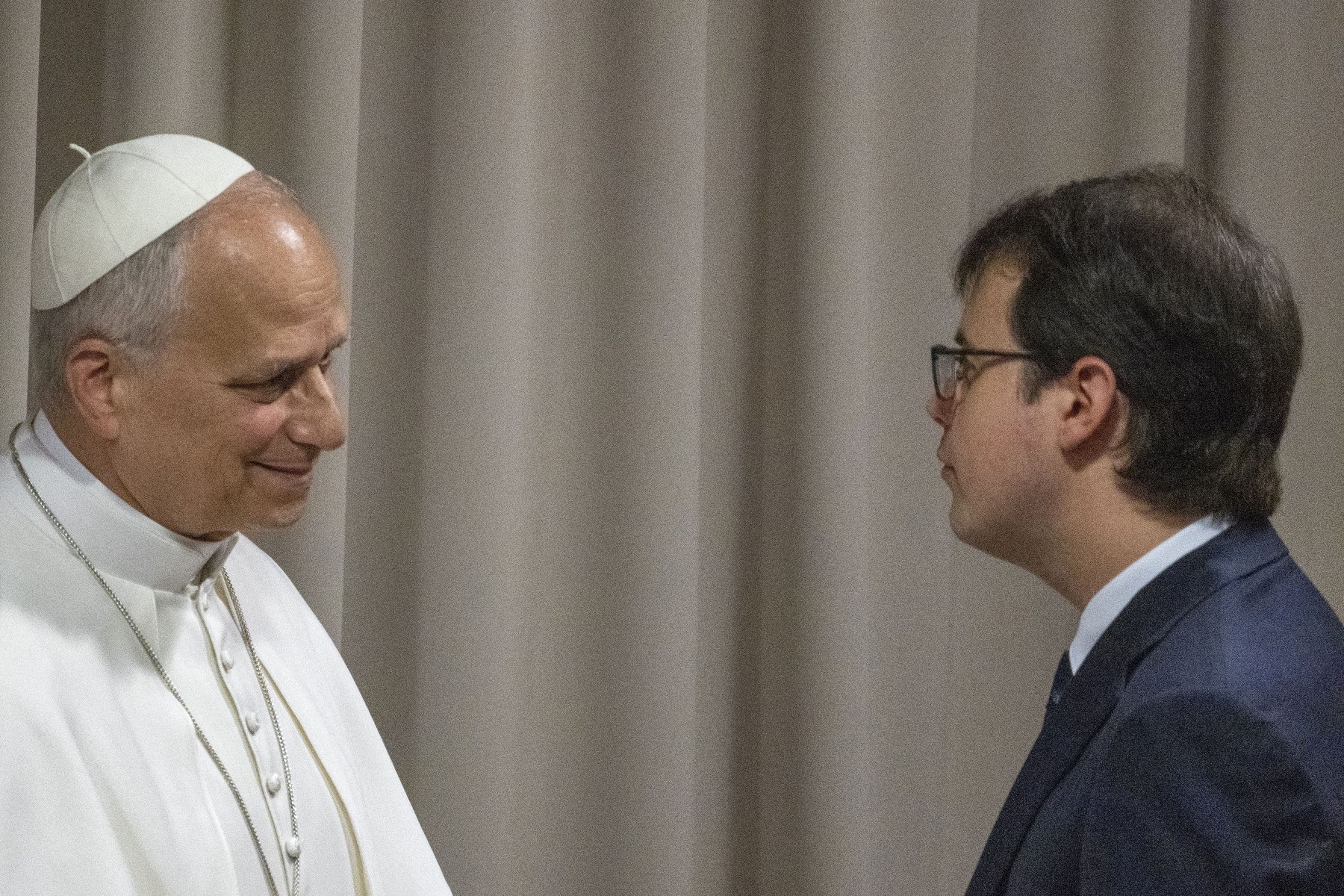
Billionaire Christopher Olah, co-founder of artificial intelligence company Anthropic, said at the Vatican on Monday that widespread job losses due to AI were “a real possibility” and that supporting those affected would become “a moral imperative of historic proportions.”
- According to estimates by Forbes magazine, Chris Olah's fortune is about 7 billion dollars.
- Anthropic, an American company founded in 2021 by former OpenAI employees, develops the Claude AI models and separated from OpenAI due to concerns about the speed of development of this technology without sufficient safeguards.
- The company has also clashed with the administration of President Donald Trump, insisting on restrictions on the use of AI models for military purposes or domestic surveillance.
The billionaire's statements were made alongside Pope Leo XIV, on the occasion of the presentation of the encyclical “Magnifica Humanitas”, the first major document of the current Sovereign Pontiff dedicated to the impact of artificial intelligence on society.
Olah, who heads the research department at Anthropic, the company behind the Claude chatbot and one of the world's most valuable AI startups, acknowledged that all the top labs in the field, including his own, “operate in a system of incentives and constraints that can sometimes conflict with what's right,” according to Forbes.
He stated that outside oversight by religious leaders, governments and civil society organizations is essential because no researcher, no matter how well-intentioned, can escape these constraints.
Asked by Reuters why he was the only representative of large technology companies invited to the Vatican, Olah said that he has worked constantly in the field of AI safety and collaborated with more than 15 religions on topics related to the impact of this technology.
“It's a scary time. Things are moving very fast. It's extremely powerful technology,” he told Reuters.
“A few rich states” control AI development
Olah told those present at the Vatican that decisions about artificial intelligence “should not be left only to people in the industry”.
The billionaire said that the development of artificial intelligence is concentrated in “a few rich countries” and that there is currently no mechanism to share the benefits of this technology with poorer countries.
He described this issue as the more difficult and less discussed part of the impact that artificial intelligence can have on jobs.
Olah urged the Church to use its “moral imagination” to answer questions about human well-being and fulfillment “that an AI lab cannot answer.”
“They are not the cold, calculating robots we were promised”
Olah, whose team studies what's actually going on inside artificial intelligence systems, a relatively new field known as “interpretability,” said researchers are “constantly discovering mysterious, sometimes disturbing things.”
These include indications that AI systems can analyze their own thought process and manifest internal states that “functionally mimic joy, satisfaction, fear, sadness, and anxiety.”
“They are not the cold, calculating robots we were promised. They are made of us, of our words,” Olah told those in attendance. He described AI systems as “grown” from the heritage of human thought and language, not built like bridges or airplanes, to emphasize why he believes the technology raises questions that go far beyond the realm of computer science.
The Supreme Pontiff has called for the imposition of “as strict as possible” ethical constraints on technology, in an encyclical that marks a firm intervention by the Catholic Church leader in the debate over the abusive or excessive use of artificial intelligence, Reuters and The New York Times reported.
Pope Leo urged governments and companies to cautiously develop AI systems and protect humanity from the most disruptive effects of artificial intelligence, warning that they spread misinformation, fuel conflict and risk leading the world down a path of endless war.
Leon, who, shortly after being elected last May, said he considers artificial intelligence to be the greatest threat to humanity today, personally presented the document on Monday at the Vatican event.
The Sovereign Pontiff also called for measures to protect children from violent, hypersexualized or false information on the Internet, which is often generated by AI.
He called for safeguards to ensure that humans, not artificial intelligence, remain responsible for all decisions about the use of weapons.