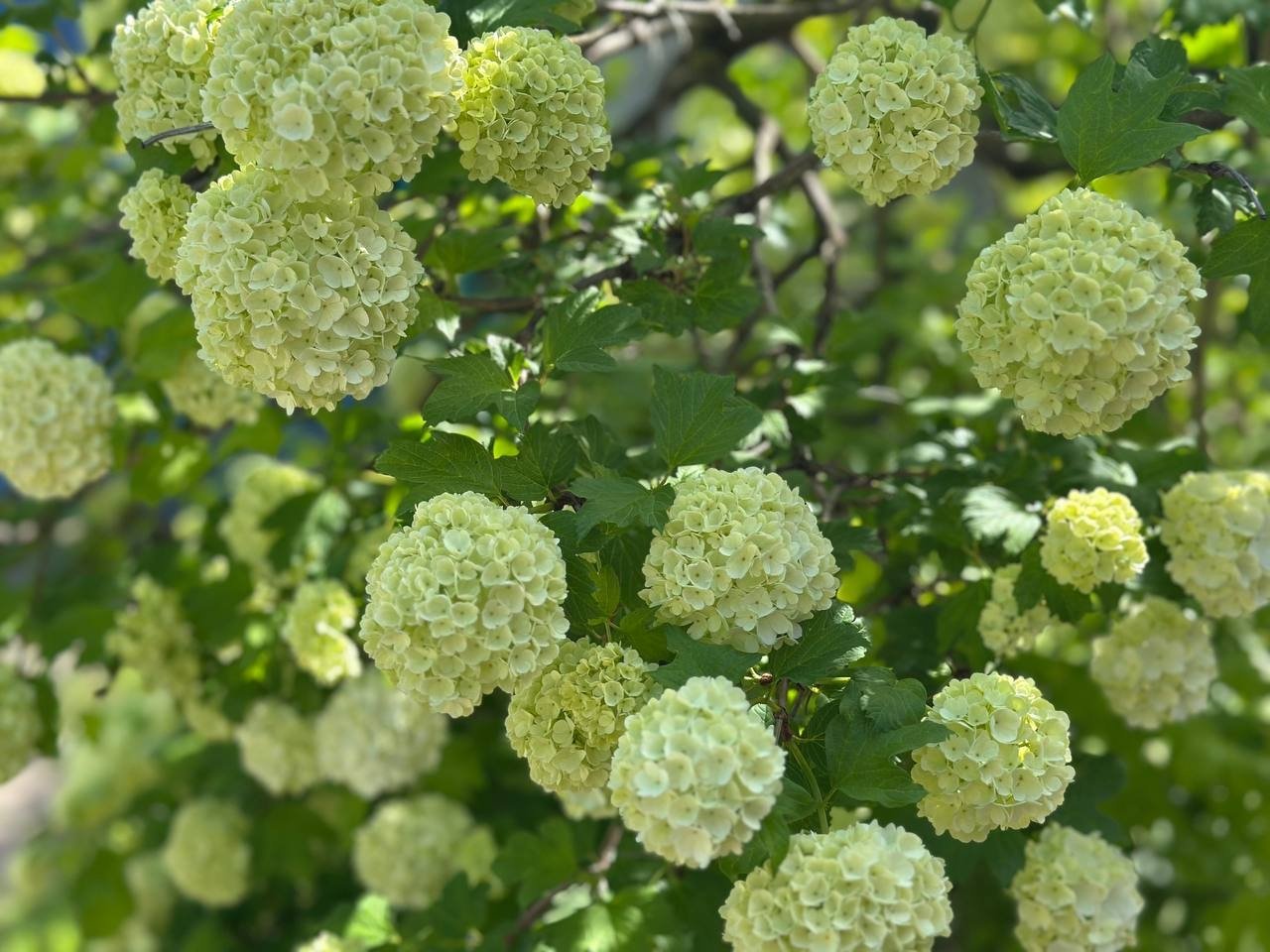
Fertilizing hydrangeas in the spring is a delicate matter. But sometimes the bush overwintered well, produced strong shoots and healthy leaves, but still no inflorescences. The summer resident buys fertilizers, does everything according to the instructions, but does not see flowers for the entire season. The Zen channel “Ideal Vegetable Garden” (12+) told what mistakes are most often made.
Mistake one: fertilizing without checking the soil
Hydrangea can only absorb nutrition from acidic soil – with a pH level of 4.5 to 5.5. On neutral soil, iron, phosphorus and magnesium become unavailable to the roots. The bush looks alive, but is actually starving.
Acidity can be easily checked with litmus paper from a garden store. If the indicator is above 6.0, the soil must first be acidified, and only then fertilizer must be applied. The most affordable option is citric acid: a teaspoon per 10 liters of water, 3–5 liters per bush. Peat and pine chips also work well as mulch – they gradually acidify the soil.
Mistake two: incorrect composition of fertilizers
Hydrangeas do not need a strong nitrogen start early in the season. All-purpose fertilizers with equal amounts of nitrogen, phosphorus and potassium (20-20-20) are not suitable here. Excess nitrogen causes the bush to grow foliage at the expense of flowering. The optimal spring ratio is approximately 6-20-20, that is, a minimum of nitrogen and a lot of phosphorus and potassium.
Many people forget about magnesium. Without it, the leaves begin to turn yellow between the veins – this is chlorosis, which is often confused with a lack of iron. Magnesium sulfate is added to the main feeding (a tablespoon per 10 liters of water), and the yellowness goes away in 2-3 weeks.
Organics, especially manure, should not be used. Chicken droppings are permissible only in a very weak dilution (1:20), but it is better to avoid it altogether.
Error three: wrong time and unprepared soil
First, the soil is loosened, watered with clean water, waiting until the moisture is absorbed, and only then fertilizer is applied.
In terms of timing, they are guided not by the calendar, but by the bush itself. It's time to act when the young leaves have opened 2-3 centimeters. The soil temperature should not be lower than 10 degrees – in cold soil the roots still do not work.
“After fertilizing, I mulch. Peat is the best choice: it retains moisture and gradually acidifies the soil, a layer of 3–4 centimeters. Pine chips are also good. Rotted sawdust is neutral, does not change the acidity, but works as a mulch. It is better not to use fresh sawdust, they pull nitrogen from the soil during decomposition,” shares the author of the blog.
Previously, we told you what to add to the hole for fleshy tomatoes.