Putin enacted the law on the use of military force abroad for the “protection of Russian citizens.” The case invoked by Moscow

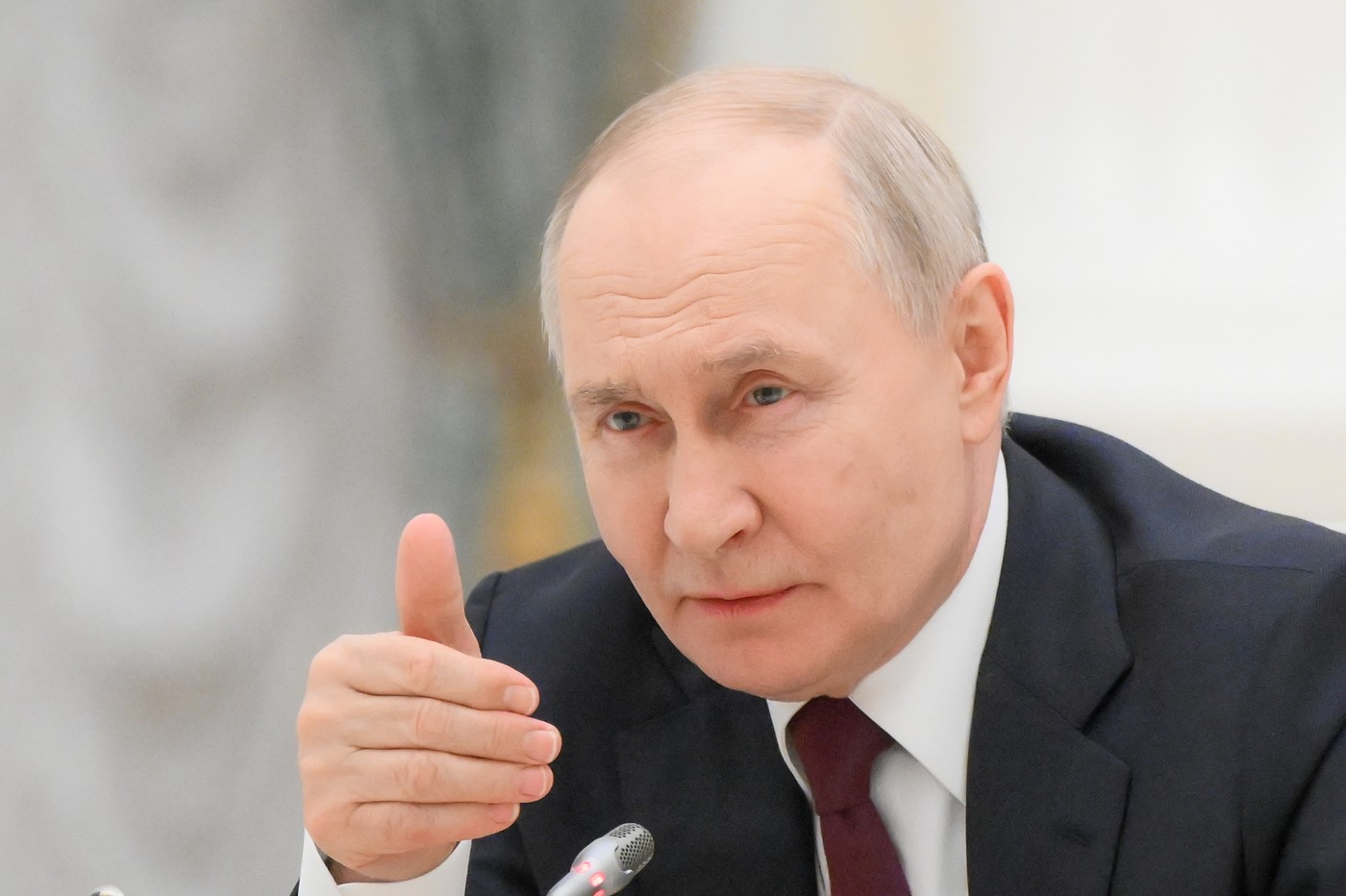
Russian President Vladimir Putin signed into law on Monday the bill authorizing the possible use of military force abroad for the “protection of Russian citizens,” according to The Kyiv Independent.
The law was passed by the State Duma on May 13 and allows the president to order the deployment of troops abroad to “protect” Russians targeted by arrests, trials or other perceived persecution by foreign nations or international courts, the Ukrainian publication wrote.
Russian lawmakers claimed the legislation was part of an effort to “counter the rampant Russophobia campaign that continues abroad.”
Moscow points to the case of Alexander Butyagin
Andrei Kartapolov, chairman of the State Duma's defense committee, linked the legislative initiative to the case of Alexander Butyagin, a Russian archaeologist who has been in custody in Poland for several months following illegal excavations in the Crimean Peninsula, which Moscow annexed in 2014.
Russia announced last month that he had been released by Polish authorities as part of a prisoner exchange between Moscow and Kiev, according to Reuters. In March, a Polish court ruled in favor of his extradition to Ukraine, where he faced up to 10 years in prison for “destroying cultural heritage sites” and causing damage estimated at around $4.6 million, The Moscow Times reported.
An alleged persecution of Russian citizens was invoked by Moscow and among the pretexts used to justify the aggression launched against Ukraine since 2014.
The Russian Interfax news agency, quoted by Agerpres, explained in March that the new law complements an amendment made to the federal law on security in April 2023, when the possibility was introduced for the president “to take measures for the defense of Russia and its citizens in the event that foreign and international organizations take measures or adopt actions that run counter to the interests of the Russian Federation.”
That amendment did not specify what means the president could use to fulfill what was stipulated by the law.