How the protest of the top players from the WTA and ATP circuits was carried out at Roland Garros + Novak Djokovic was delimited by the majority method

Article by Roxana Fleşeru – Published Friday, May 22, 2026 9:53 p.m. / Updated Friday, May 22, 2026 10:12 p.m.
Aryna Sabalenka (28, 1 WTA), Jannik Sinner (24, 1 ATP), Iga Swiatek (24, 3 WTA), Coco Gauff (22, $ WTA), Jessica Pegula (32, 5 WTA), Mirra Andreeva (19, 8 WTA), Félix Auger-Aliassime (24, 5 ATP), Ben Shelton (23, 6 ATP), Daniil Medvedev (30 years, 7 ATP) and Taylor Fritz (28, 8 ATP) limited their press appearances to 15 minutes on Friday, as their way of protesting that the Grand Slam tournaments do not give them more of the profit they make each year.
The top players chose to express their frustration with the Grand Slams' media day at Roland Garros on Friday by refusing to participate in all but mandatory media interviews.
Players typically allocate 60–90 minutes of their time for various television and print media interviews, photo shoots and social media activities, but the players planned to limit their media obligations to 15 minutes, a token figure chosen to represent approximately 15% of the average earnings allocated to player prize money by the Grand Slam tournaments.
They agreed to split their time between a 10-minute press conference and a five-minute interview with the rights-holding television station, their two obligations.
Several top players have been at loggerheads with Grand Slam tournament organizers for more than a year after sending a signed letter calling for a larger share of tournament revenue to be allocated to prize funds, to contribute to player welfare initiatives such as a pension fund and to establish a Grand Slam players' council so that players have a stronger say in the organization of competitions.
Among the participants in this protest were world leaders Sabalenka and Sinner, as well as Top 10 players Swiatek, Gauff, Pegula, Andreeva, Auger-Aliassime, Shelton, Medvedev and Fritz.
“It is not an action directed against journalists; on the contrary, we are happy to share with you, as always, our impressions. It is a matter of respect; going without answers for more than a year is unacceptable. We, the players, are very united, and that's what matters. We will see what the other side's moves will be, and then we will decide, if necessary, what additional measures we will take. We certainly want to have more influence, including in terms of setting the calendar,” said Jannik Sinner, quoted by Gazzetta dello Sport.
Jannik Sinner at Friday's conference at Roland Garros PHOTO Imago Images
Aryna Sabalenka: “I feel like I have to take a stand and fight for the bottom players”
Sabalenka stressed that the players' drive to get a bigger financial contribution from the Grand Slam tournaments is primarily aimed at improving the living conditions of lower-ranked players, while the world's elite continued their protest on the eve of the Roland Garros tournament.
“I feel like the crux of the problem is not about me. It's about the players at the bottom of the rankings who are struggling. It's not easy to live in the tennis world with the percentage we're winning. As the world No. 1, I feel like I have to take a stand and fight for those players, for the players at the bottom of the rankings, for the players coming back from injuries, for the next generation. I feel like our point of view is pretty clear and pretty fair for everyone the world. That characterizes us all”, a Sabalenka said.
Coco Gauff timed her conference
The Guardian reports that there were no dramatic exits from the gym or players abruptly ending their press conferences in the middle of a sentence. Many certainly spent more than 10 minutes in their press conferences and 15 minutes in total.
However, throughout the day, the players dealt with these peculiar circumstances in different ways. Although the moderator announced the end of Medvedev's press conference, a Russian-speaking journalist managed to squeeze in two more questions. Medvedev graciously responded by extending the press conference beyond the 15-minute limit.
Gauff, on the other hand, took a more direct approach. She discreetly placed her phone on the table in front of her, out of sight of reporters, and started a timer before answering the first question.
After nine minutes, after the moderator asked if there were any more questions, Gauff looked down at the table: “I've got about a minute left,” she said, laughing. Asked if she was timing the press conference, Gauff said with a laugh, “Yeah, I have to be strict.” After 10 minutes, he personally excused himself and left the press conference.
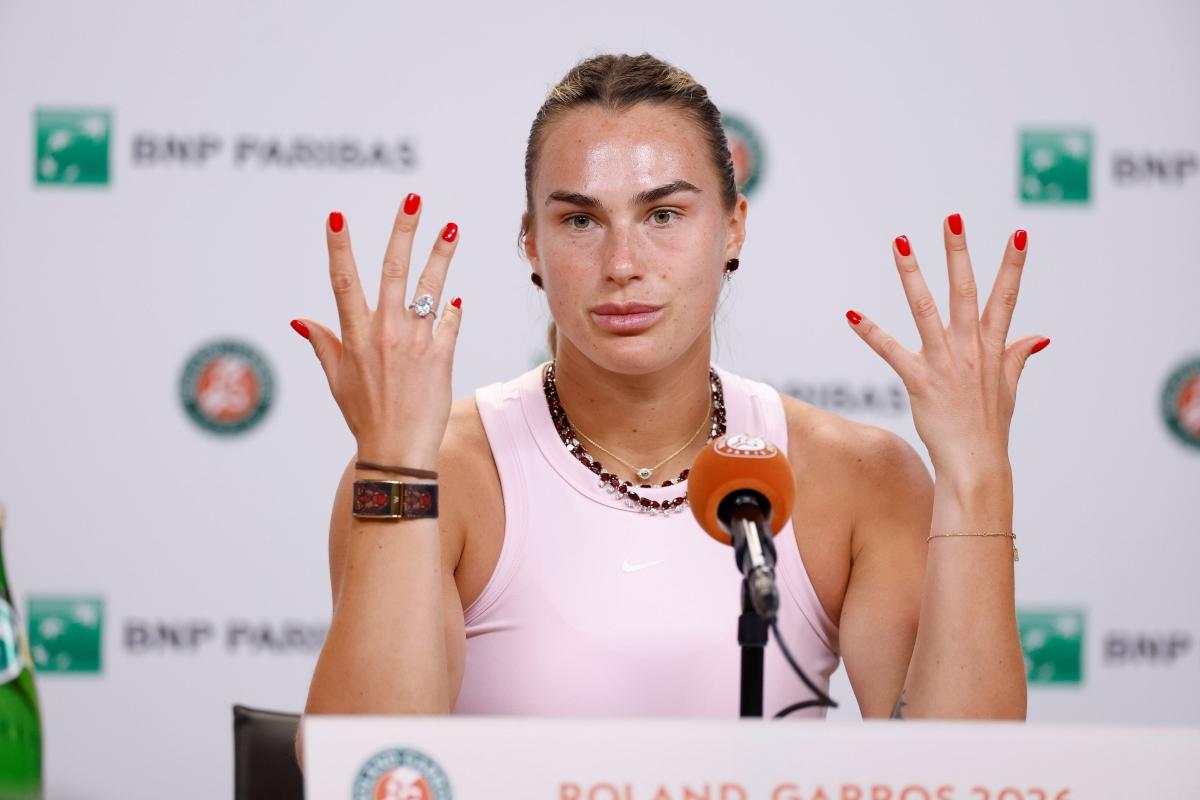
Towards the end of the press conference, Sabalenka glanced at her agent in the corner of the room, who held up a finger while mouthing “one more question.”
The Belarusian player then took over the role of moderator, marking the end of the interview herself. “And now it's time for the national language, and thank you very much for being here, for asking questions,” she said. “As I've said a thousand times today, I have enormous respect for you guys, but we know what's going on here, so thank you very much.”
Novak Djokovic: “Let's try to be a little more united and have a common voice in finding a better structure”
Novak Djokovic, who chose not to be part of this protest. The winner of 24 Grand Slam tournaments has been part of various players' initiatives over the years, both during his time as president of the ATP Council and as a founder of the PTPA (Professional Tennis Players Association), but withdrew from these initiatives towards the end of his career.
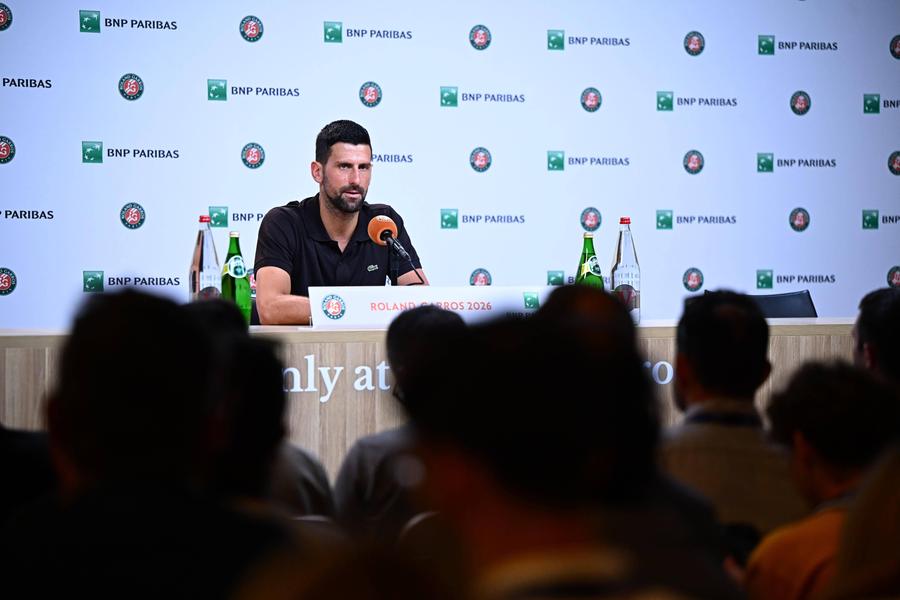
Novak Djokovic during the Roland Garros press conference PHOTO Imago Images
However, Djokovic, who turned 39 on Friday, emphasized that he stands by the players and that tennis should learn from the way golfers do things: “Let's try to be a little more united and have a common voice in finding a better structure and a better future for our sport, because now is the right time.”
Medvedev described this as the greatest unity he had seen in the players. “It's good because it's probably the first time, at least in my time on the circuit, that the players are really united,” he said.
On Thursday night, tournament director Amelie Mauresmo was asked about how the top players chose to protest, but she declined to comment further. “At this moment, we will not make any decision, but we will initiate discussions. After all, this is what everyone wants,” she said, as quoted by L'Équipe.