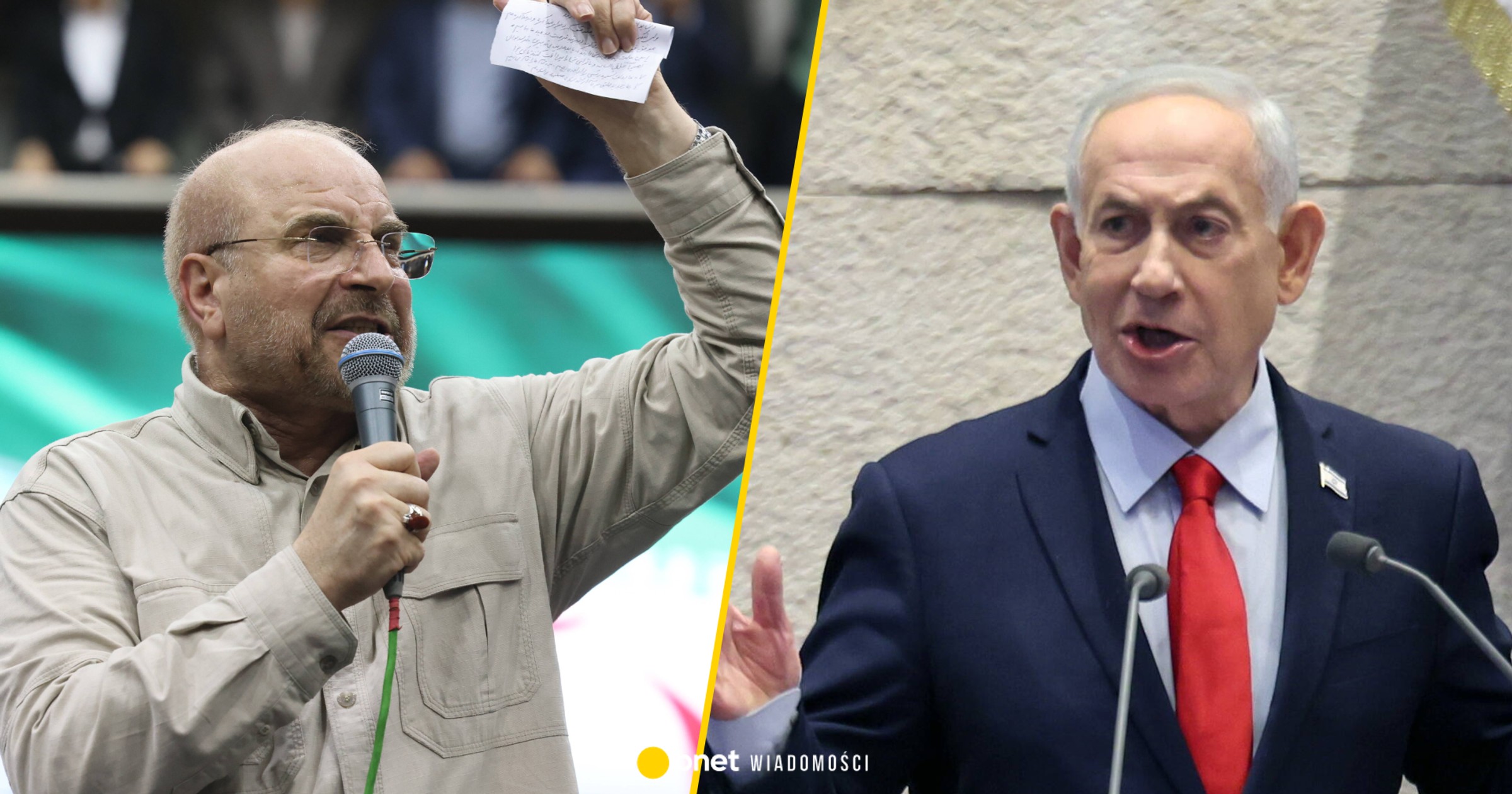
Iran is recruiting “disposable” agents through Snapchat and Telegram, which it pays in cryptocurrencies. The model is taken from the Russians

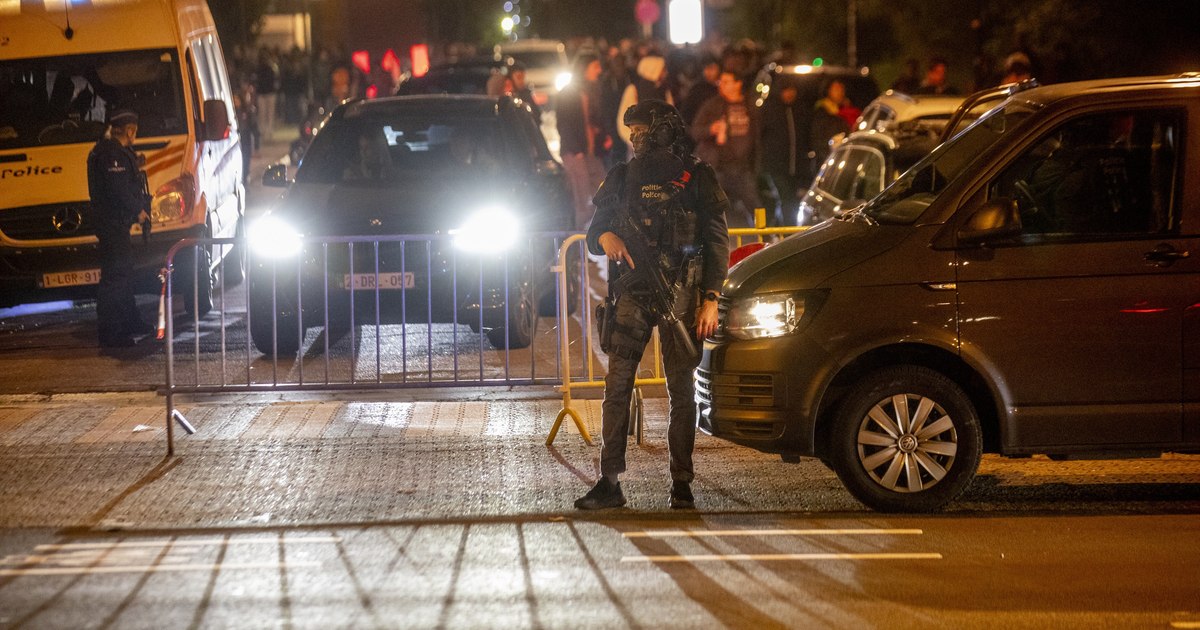
A case tried in New York exposes the modern methods by which Iran allegedly recruits people for terrorist attacks in Europe, Britain and the United States, using social networks such as Snapchat and Telegram, encrypted applications and cryptocurrency payments.
Terrorist attack in Brussels. PHOTO: Profimedia
Mohammed Saad Baqer al-Saadi, a 32-year-old Iraqi commander of the Kataib Hezbollah group, was brought before a US court after being detained in Turkey. Prosecutors accuse him of being involved in 18 separate attacks, including arson of synagogues and Jewish community centers in Belgium, the Netherlands and Great Britain, The Guardian reports.
Among the incidents being investigated is the knife attack in Golders Green, London, which left two Jewish men seriously injured last month.
Investigators say al-Saadi has close ties to Iran's Islamic Revolutionary Guard Corps (IRGC) and has coordinated remote attacks using people recruited online, sometimes with no ideological convictions or sympathies for the Iranian regime.
According to the documents in the file, the recruitment would have been done through platforms such as Telegram and Snapchat, including in groups associated with drug trafficking or other illegal activities. Suspects were paid relatively small sums to carry out attacks that could have extremely serious consequences.
Al-Saadi is accused of offering an undercover FBI agent $3,000 in cryptocurrency as an advance to organize attacks on a synagogue and two Jewish community centers in the US. $7,000 was to be paid after the attacks were conducted and filmed.
Security experts warn that such tactics mark the emergence of a new phenomenon: “terrorism as a service”.
“You don't even have to be in the same time zone as your agents. They are expendable, useful idiots in the truest sense of the phrase.” said Tom Keatinge, director of the Center for Finance and Security at the Royal United Services Institute in London.
For his part, terrorism specialist Peter Neumann, a professor at King's College London, says that the line between organized crime and terrorism is becoming increasingly difficult to define.
“A big question mark is whether we can still talk about radicalization when someone is only interested in getting paid,” he said.
According to experts cited in the investigation, Russia would be the pioneer of these “hybrid war” tactics, used in recent years in Europe for acts of sabotage, arson and attacks aimed at causing chaos and social tensions.
Iran and its allies would now adopt similar strategies, banking on low cost and major psychological impact on targeted communities.