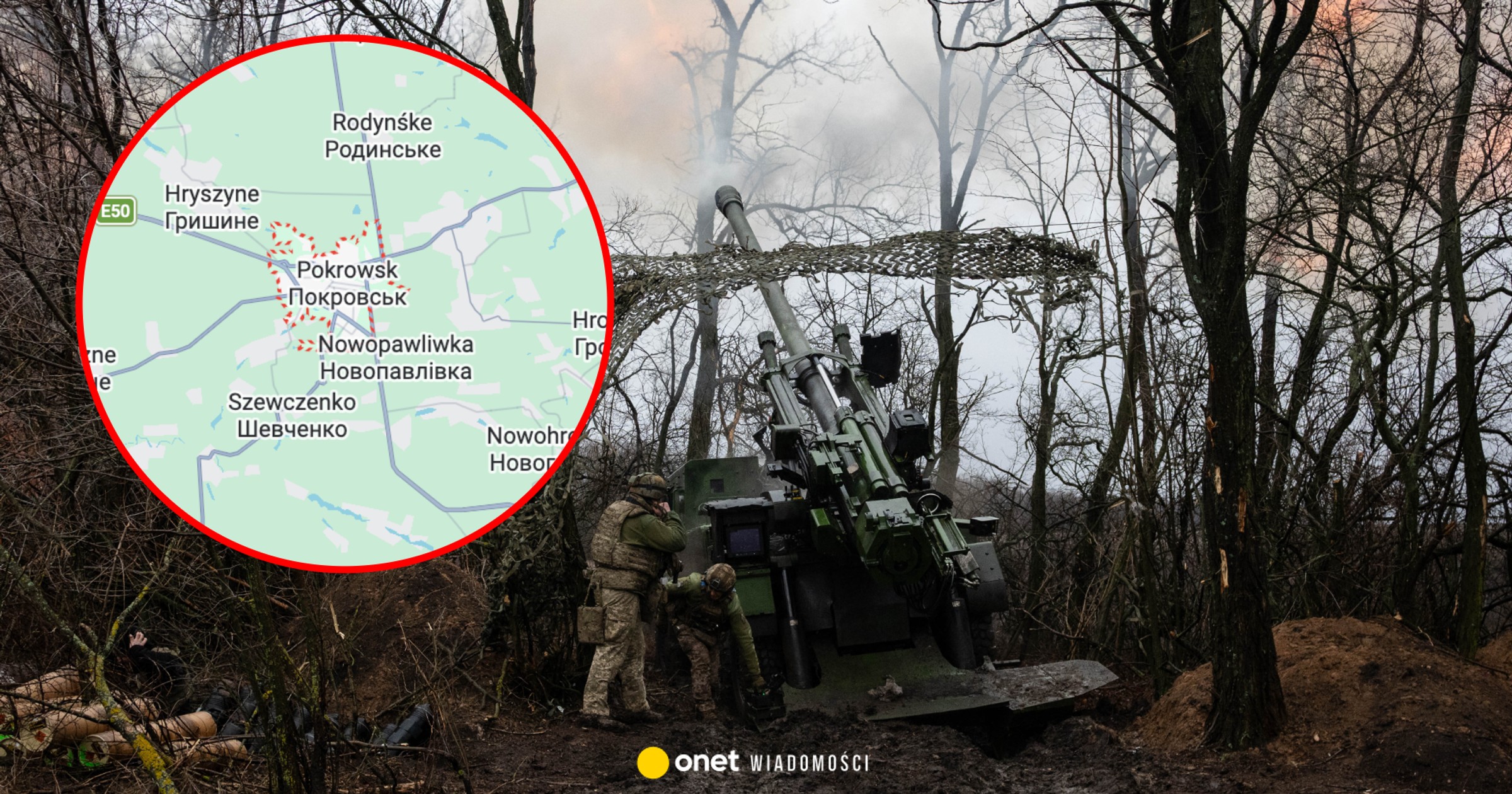
The Ukrainian unit near Pokrovsk is fighting for survival: Russian drones are monitoring literally every meter of terrain, and delivering supplies is only possible by air – using drones. Soldiers have to cover up to 26 km on foot, and each such march turns into a deadly fight for life.
The situation in the area of the Ukrainian city of Pokrovsk, located northwest of Donetsk, is dramatic. According to the entry published on the X platform by the 7th Rapid Reaction Brigade of the Ukrainian Army, soldiers are currently operating in extremely difficult conditions. The entry itself has already been deleted.
The war near Pokrovsk looks less and less like an army fight and more and more like a brutal human hunt.
Russian troops are to control a significant part of this area, using drones and electronic warfare systems to further cut off Ukrainian positions from the world. Delivering supplies to the front line is now only possible by air, because unmanned land vehicles are immediately destroyed.
Frontline troops urgently need change
— wrote in the entry.
Particularly disturbing is the so-called “death zone” – a strip of land stretching for approximately 25 km, which is under constant surveillance by Russian drones.
According to Ukrainian soldiers, drones monitor virtually every movement there, so even the slightest attempt to move may immediately result in an attack. Soldiers emphasize that it is almost impossible to hide or safely transport people or equipment in this area.
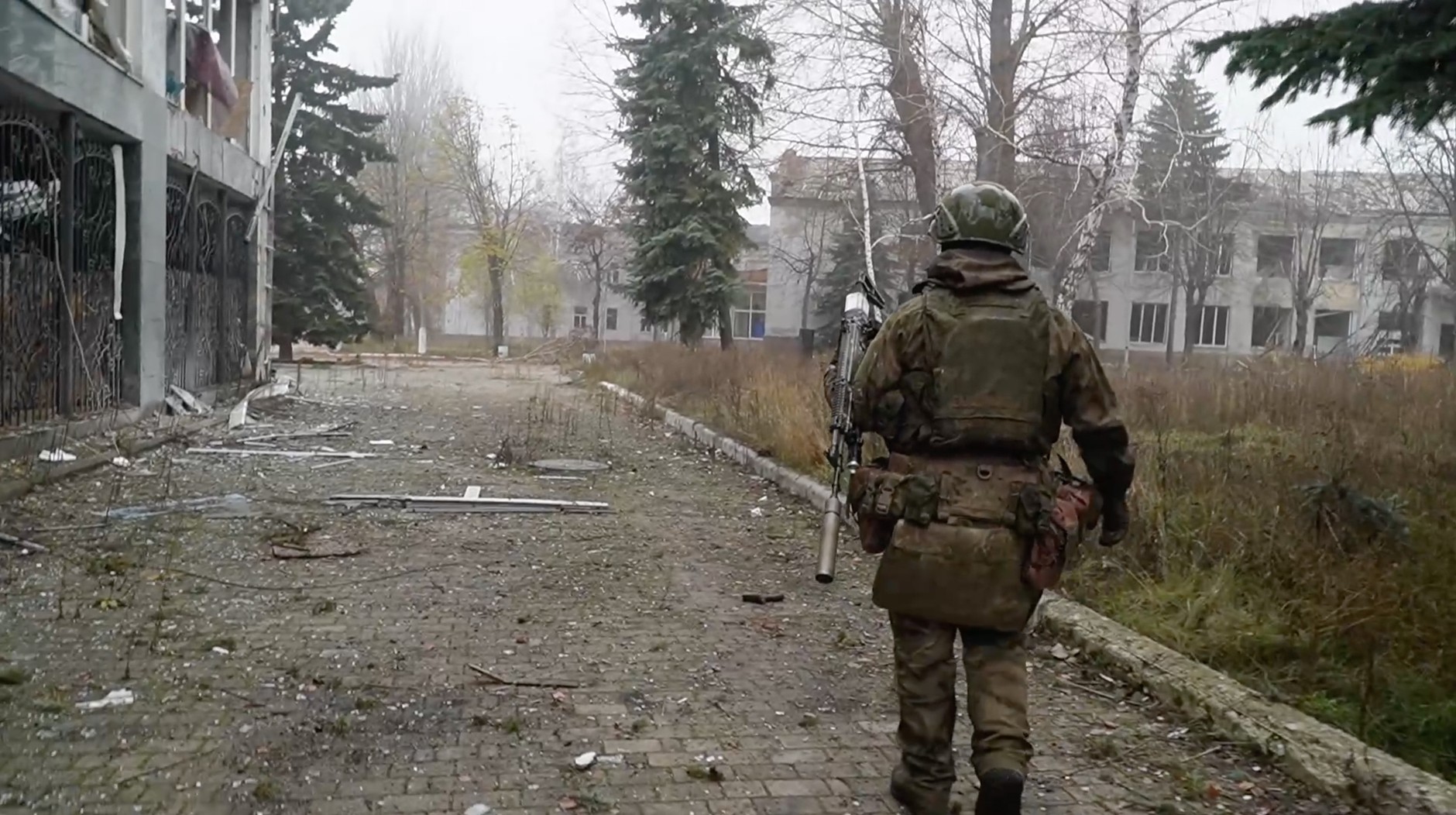
Ukrainian soldiers during a combat mission in the Pokrovsk area of Donetsk Oblast, Ukraine, December 25, 2025.Dmytro Smolienko/Ukrinform/PAP
According to the Ukrainian army, armored vehicles can travel a maximum of 10 km. Then the soldiers have to move on foot.
Getting any closer is virtually impossible because any vehicle would be instantly destroyed, the unit said in a post published on Platform X.
Soldiers are forced to constantly hide, most often in forests or ravines. The section within this “death zone”, which would normally be about 15 km long, becomes up to 26 km long due to the need to constantly wander around and look for shelter. It takes soldiers up to three days to complete this route – three days full of sprints and “playing hide and seek with death”, as described further in the post.
Screenshot shared by the Russian Ministry of Defense announcing the takeover of Pokrovsk and Volchansk, December 2, 2025.Anadolu / Contributor / Getty Images
The situation of the injured is even more dramatic. Evacuation of soldiers is often only possible on foot.
The unit also describes a “grey zone” in front of Pokrovsk where Russian infantry operates. Although the Russians do not control the entire area, reaching the city resembles a frontal attack without the support of armored vehicles.
The walker is constantly detected and attacked by drones whose starting points he cannot even see
— you could read in the entry.
Emaciated and abandoned
This is not the first time Ukrainian soldiers have complained about the conditions at the front.
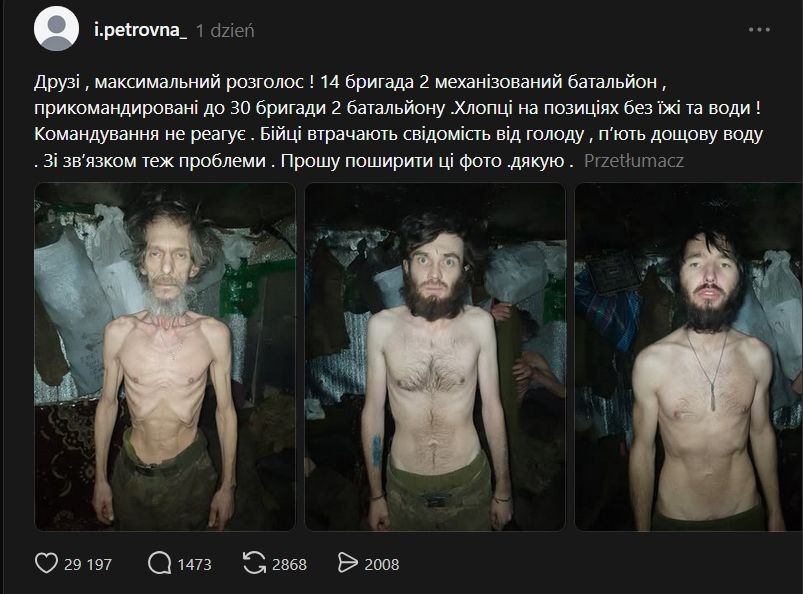
At the end of April, shocking photos from the north-eastern part of Ukraine caused a huge stir. They showed extremely emaciated soldiers with terror in their eyes.
Photos of Ukrainian soldiers from the frontThreads/i.petrovna_
Ukrainian armed forces near the city of Kupyansk have been struggling with huge supply problems for many months. According to the wife of one of the soldiers men were forced to drink rainwater and melt snow to survive.
These inhumane conditions caused a wave of outrage and ultimately led to the Ukrainian army dismissing the commander responsible for the situation on this sector of the front. According to the accounts of soldiers and their families, dramatic problems with supplies were ignored for a long time, even though the soldiers had to fight practically to the point of physical exhaustion.
I’m Ashley Davis as an editor, I’m committed to upholding the highest standards of integrity and accuracy in every piece we publish. My work is driven by curiosity, a passion for truth, and a belief that journalism plays a crucial role in shaping public discourse. I strive to tell stories that not only inform but also inspire action and conversation.