From May 20, 2026, the European Union is changing the rules of the game for renting housing as a hotel on platforms such as Airbnb and Booking. Landlords will be required to register each home in an official system and obtain a unique code without which ads will no longer be published, while the platforms will automatically transmit booking and income data to the authorities, making the market much more transparent and easier to audit.
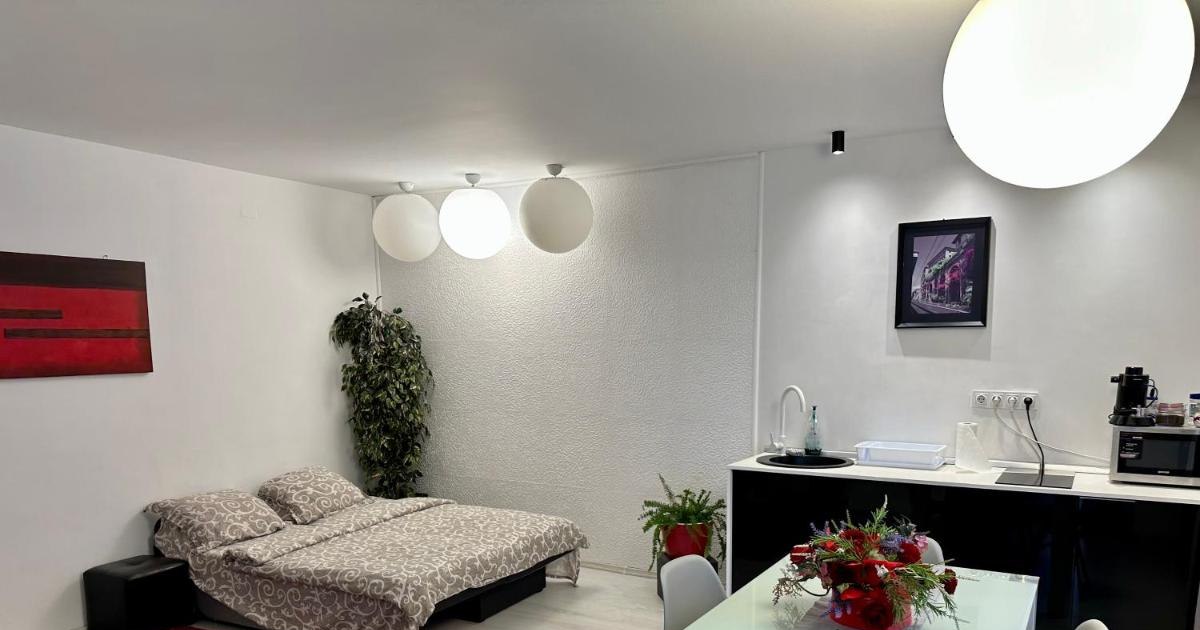
New rules for renting homes through Airbnb and Booking, from May 20, 2026. Photo Booking
From May 20, 2026, the new rules regarding hotel rental housing through platforms such as Airbnb and Booking.com will come into force throughout the European Union. The European regulation significantly changes the way landlords can list their apartments and introduces clear registration, reporting and tax transparency obligations.
The main purpose of the new rules is to combat “black” rentals, create a unitary record keeping system in all EU states and facilitate tax controls. Basically, the authorities will be able to identify much more easily who is renting, what properties are listed and what income is being obtained.
Unique code required for each property
The most important change is the introduction of a unique registration number for each short-term rental property. Any apartment or house listed on Airbnb or Booking must be registered in an official system administered by the Romanian state. After registration, the owner will receive a unique code, which becomes a mandatory condition for publishing ads on the platforms. Without this code, the listing will no longer be published or will be deleted.
The code will have to be displayed in every ad and the platforms will have to automatically check its validity. In its absence or in the case of incorrect data, ads may be blocked or removed, making unregulated renting practically impossible.
Reporting income to the authorities
The regulation also introduces a major change in the area of tax transparency, as platforms will be required to periodically submit data to the tax authorities. Airbnb and Booking will report the identity of the hosts, the addresses of the properties, the number of nights rented, the income generated and the capacity of the accommodation units. This information will reach ANAF, which will be able to correlate it directly with the incomes declared by taxpayers.
For landlords, this means that rental income must be declared correctly and fully. The European regulation does not introduce a new tax, but it makes it much easier to verify and collect existing taxes. In Romania, income tax, social contributions depending on the thresholds, possibly VAT in certain situations and the rules regarding carrying out the activity in one's own name or through a company remain applicable.
Fiscal digitization: the role of RO e-Invoice
In parallel, the RO e-Invoice system is becoming increasingly important, which will be used for electronic reporting of transactions in the case of activities carried out through organized forms, such as PFA or SRL. This contributes to the complete digitization of the tax flow and greater traceability of revenues.
What landlords must do to rent legally
To legally rent, owners will have to register their home in the national system, obtain the unique identification code, enter it in all the ads on the platforms and declare the income obtained to ANAF. In some cases, local permits or tourist classifications may also be required, depending on the regulations of the municipalities or tourism authorities.
In Romania, the implementation of the system will be carried out through the existing structures in the field of tourism, most likely through digital platforms integrated with the tax authorities and the institutions subordinate to the relevant ministry. The process is designed as a digital one, with online submission of documents and automatic issuance of the registration code.
The new rules will particularly affect landlords who were renting without legal forms or without declaring income. For those who are already tax compliant, the changes will mainly mean more control, more transparency and a tighter digital bureaucracy.
In short, from May 20, 2026, the hotel rental market in Romania enters a fully digital regulatory stage, in which each property will be identified by a unique code, and revenues will be much easier to verify by the authorities, in real time.
ANAF identified, a year ago, 22,000 people who did not declare their income from renting apartments on AirBnb and Booking, stated representatives of ANAF at the request of “Adevărul”, stating that some even obtained a million lei per year.