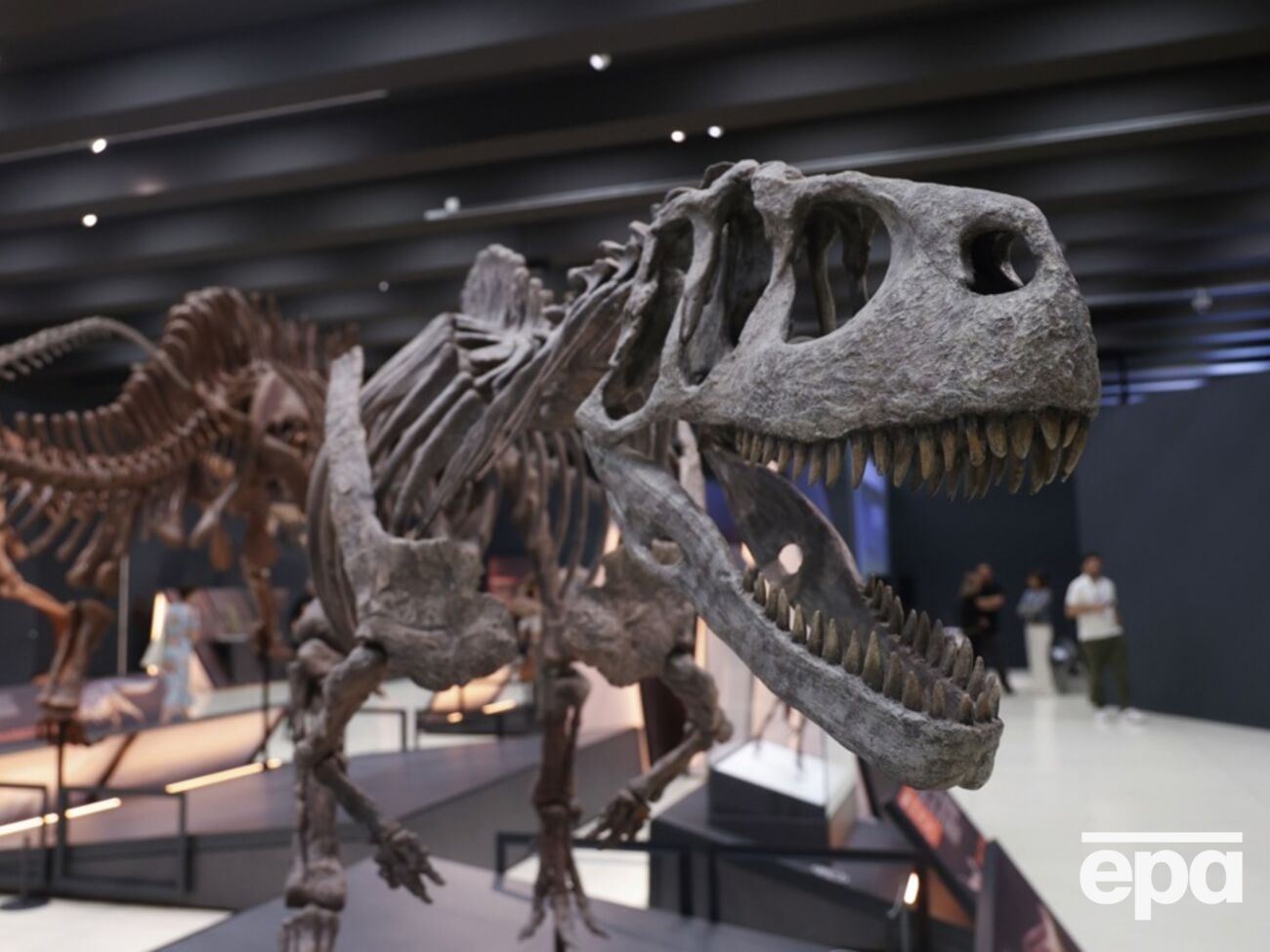
Based on bones found in Chaiyaphum province in Thailand, paleontologists have identified a new species of giant dinosaur from the family of long-necked herbivores – sauropods. This is stated in a study published in the journal Scientific Reports, cited by ScienceDaily.
Famous sauropods include Diplodocus and Brontosaurus. The new species is named Nagatitan chaiyaphumensis, where Naga is the serpent-dragon from Thai and Southeast Asian mythology, and titan is the giant from Greek mythology. The chaiyaphumensis part of the name pays tribute to the province where the remains were found.
Researchers estimate that this dinosaur lived during the Early Cretaceous period, approximately 100–120 million years ago. After studying the dinosaur's vertebrae, ribs, pelvis and legs, scientists concluded that it likely weighed about 27 tons, and its length could exceed 27 m. Such dimensions can be compared to nine adult Asian elephants. That is, this is the largest dinosaur found in Southeast Asia, the article says.
As ScienceDaily notes, the discovery is important for science because it indicates a wider distribution of titanosaurs than previously thought. It also helps to understand the possible migration routes of these giants between South America and Asia. The authors note that Nagatitan chaiyaphumensis is the 14th dinosaur species officially named in Thailand and the first confirmed “titanosaur” in the region.
The bones of Nagatitan chaiyaphumensis were accidentally discovered by a local resident 10 years ago. From then until 2024, excavations continued at the site of their discovery.