Russian grievances are boiling over. The poll showing how many are willing to protest against Putin

A poll published by a Russian sociological research organization shows that one in five Russians already believe that mass protests over falling living standards could take place, and the number of people dissatisfied with politics is also on the rise.
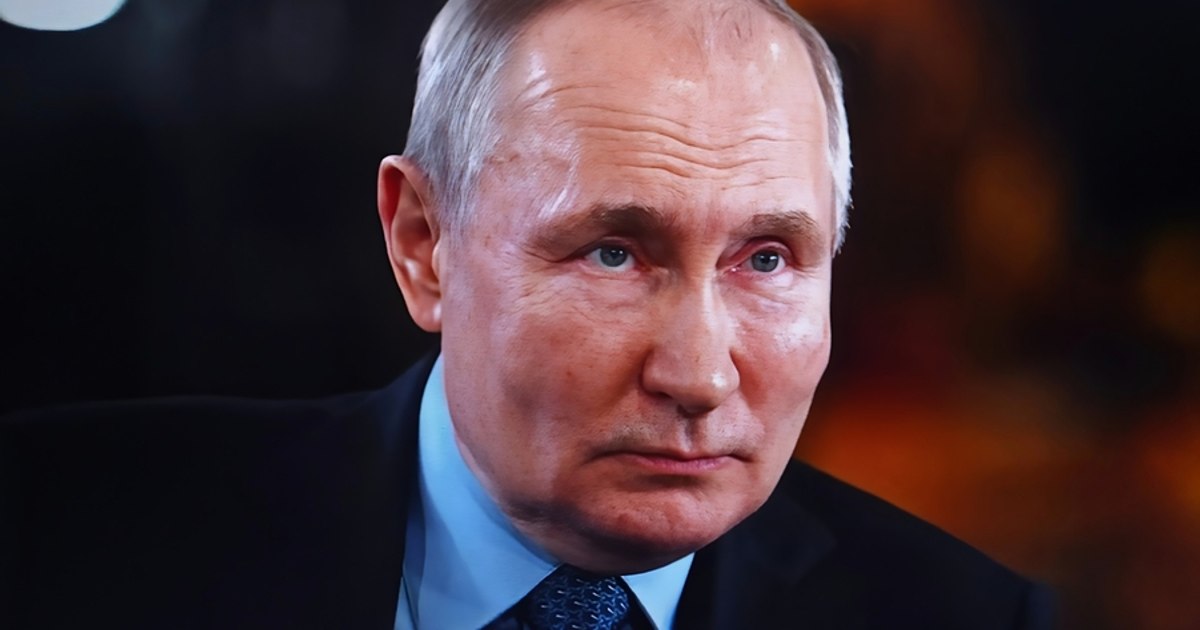
Vladimir Putin/PHOTO: Shutterstock
According to the survey, 20% of Russians believe that large-scale demonstrations against the drop in living standards could take place in their locality, an increase of 6 percentage points compared to December 2024.
At the same time, 16% of those surveyed say they would be willing to participate in such protests.
According to the survey, the possibility of protests related to economic issues is invoked more often by young people between 25 and 39 years old (24%), people with low incomes, those with a lower level of education and people who believe that the country is going in the wrong direction.
Such protests are also considered more likely by those who do not support President Vladimir Putin and by people who get information from Telegram and YouTube.
Conversely, respondents with higher education, higher incomes and those who believe things are going well in the country are less likely to say they expect protests.
The survey also shows that willingness to participate in protests is higher among people with low incomes, residents of villages and small towns, as well as those who do not approve of the activity of the Russian president. The most active in this regard are YouTubers and people who believe that the country is going in the wrong direction.
Young people under 25 and residents of Moscow, less inclined to protest
The survey also shows that 13% of young people under 25, 12% of people with higher education, 13% of those with higher incomes and 9% of Moscow residents say they would participate in protests.
The willingness to protest is also lower among those who believe that the country is going in the right direction (11%), those who approve of Vladimir Putin's activity as president (12%) and people who use MAX channels as a source of information (12%).
The potential for political protests remains low in Russia, but is growing slowly. According to the survey, 14% of respondents consider such protests possible, and 12% say they would participate in them.
The possibility of political demonstrations is mentioned more often by people with low incomes (18%), by those who believe that the country is going in the wrong direction (24%), by respondents who do not approve of Putin's activity (26%), and by Telegram and YouTube users (18%).
Vladimir Putin is losing control of Russia, claims a former senior Russian official
Willingness to participate in protests is higher among men (15%), people with low incomes (17%), residents of villages and small towns (15%), those who believe the country is going in the wrong direction (24%), those who disapprove of Putin (29%) and YouTube users (27%).
On the opposite pole, the willingness to participate in protests is lower among women (9%), young people under 25 (8%), people with higher education (9%), respondents with higher incomes (8%), residents of Moscow (6%) and those who approve of Vladimir Putin's activity (8%).
About the Levada Center
The survey was conducted between April 22-29, 2026, on a representative sample of the Russian population, consisting of 1,604 people over the age of 18, from 137 localities and 50 regions of the Russian Federation, both from urban and rural areas.
The research was conducted through face-to-face interviews at the respondents' homes. The data were weighted by sex, age and level of education, according to official Rosstat statistics.
The margin of statistical error, at a 95% confidence level, does not exceed:
-
3.4% for results close to 50%;
-
2.9% for results close to 25% or 75%;
-
2% for results close to 10% or 90%;
-
1.5% for results close to 5% or 95%.
The Levada Center is an independent, non-governmental organization in Russia that deals with surveys and sociological research. It was created in 2003 and bears the name of the founder, sociologist Yuri Levada (1930-2006). The Russian Ministry of Justice included the Levada Center in the register of “foreign agents” on September 5, 2016.
In 2017, the Moscow Court rejected the organization's appeal against the ministry, writes DW.
The organization's director, Lev Gudkov, said after the trial that the decision was not surprising, but he hoped for a different outcome.
He added at the time that the Ministry of Justice exceeded its mandate by analyzing information from the Internet during the checks. In addition, some of the statements considered “POLICY” represented only the presentation of the results of some opinion polls.
“It is the opinion of citizens presented in aggregated form, and attributing it as my personal opinion is incorrectGudkov said.