
Things are getting tense in Downing Street. Starmer's rivals have stopped waiting

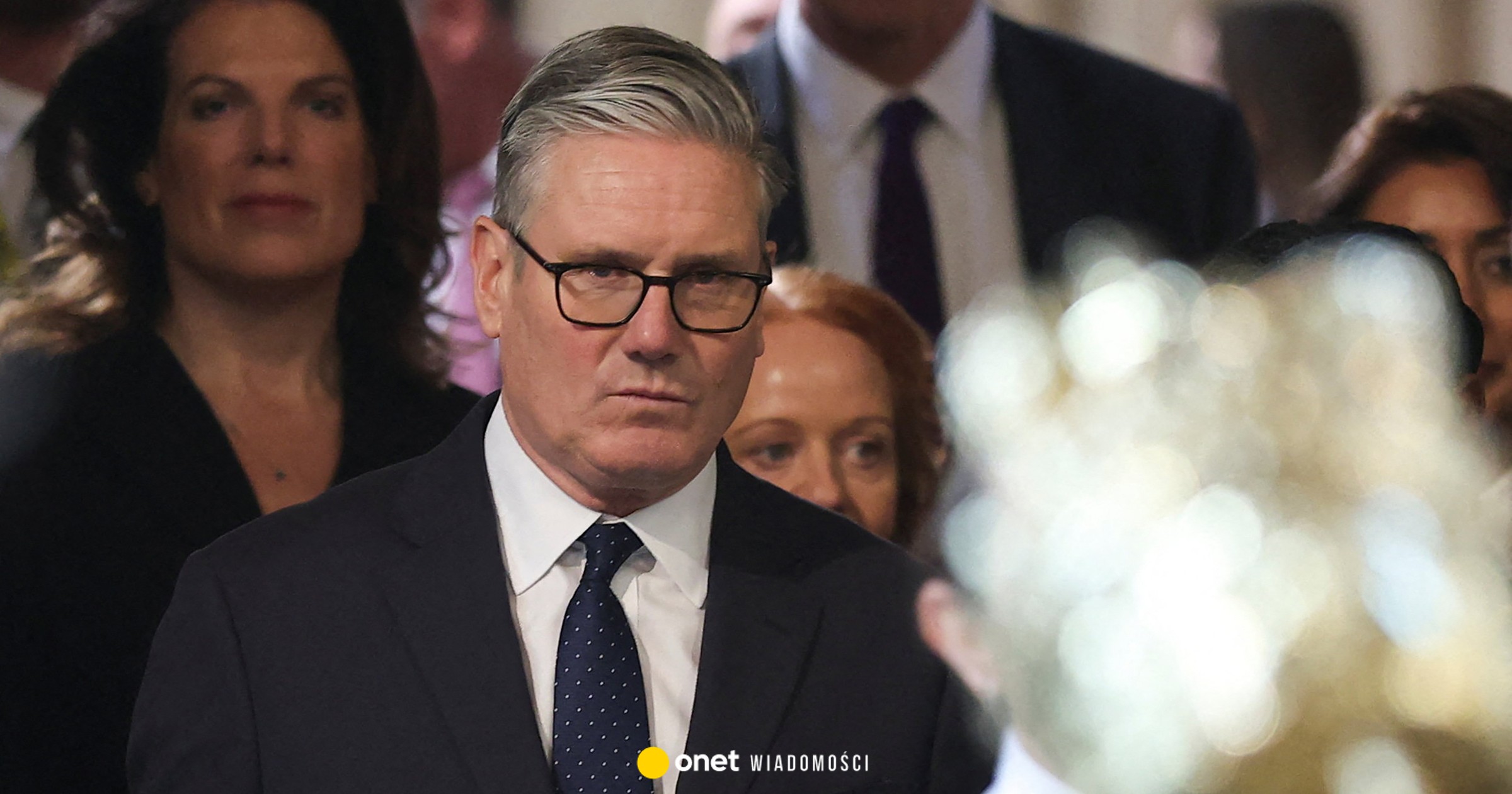
Two Labor MPs, including one close to Streeting, told POLITICO they had been informed of the minister's plans: is expected to resign and run against Starmer for the leadership.
Streeting is currently the most recognizable candidate among the not-so-ideal contenders for the prime minister's legacy, who is still reeling from disastrous election results and a long-standing impression of chaos and a lack of direction in his administration.
But the queue of people willing to take over is much longer. The game includes experienced political veterans, former party leaders and ambitious players just waiting for the right moment to come out of the shadows. Here they are.
Who is Wes Streeting?
The combative health minister, who became an MP in 2015, was one of the main rebels when far-left Jeremy Corbyn was leader of the Labor Party. Considered one of the most right-wing members of Starmer's center-left cabinet, he is often referred to as a “Blairist” – a politician identified with the centrist line of former Prime Minister Tony Blair.
Wes Streeting, British Health Secretary, listens to a speech by Prime Minister Keir Starmer. Epsom, January 6, 2025Leon Neal, PA Wire/PA / PAP
Streeting is considered one of the government's best speakers and media defenders. Whenever crises arise, Starmer regularly sends the 43-year-old minister to the media to explain and defend the cabinet's actions.
MPs believe that Streeting has the support of approximately 80 MPs in the House of Commons – that is what is needed to formally start the fight for the leadership – even though Starmer's entourage is trying to convince that he does not have such numbers.
Of course he has the right support
— said one MP, praising Streeting's “phenomenally efficient” political machine. However, another parliamentarian supporting the minister noted on Wednesday that no one had asked him to officially sign his support yet.
If there is indeed a leadership race, However, streeting may stumble in the final stretch. A candidate from the softer, more left-wing wing of the party could prove more attractive to rank-and-file Labor Party members, who ultimately choose the leader — and thus the future prime minister.
Another problem may be Streeting's very slim lead in his London constituency of Ilford North, where independent candidates focusing on Middle East issues gain strong support. His former relationship with Peter Mandelson, the disgraced former British ambassador in Washington, also remains an additional burden.
Who else counts in the race?
1. Angela Rayner
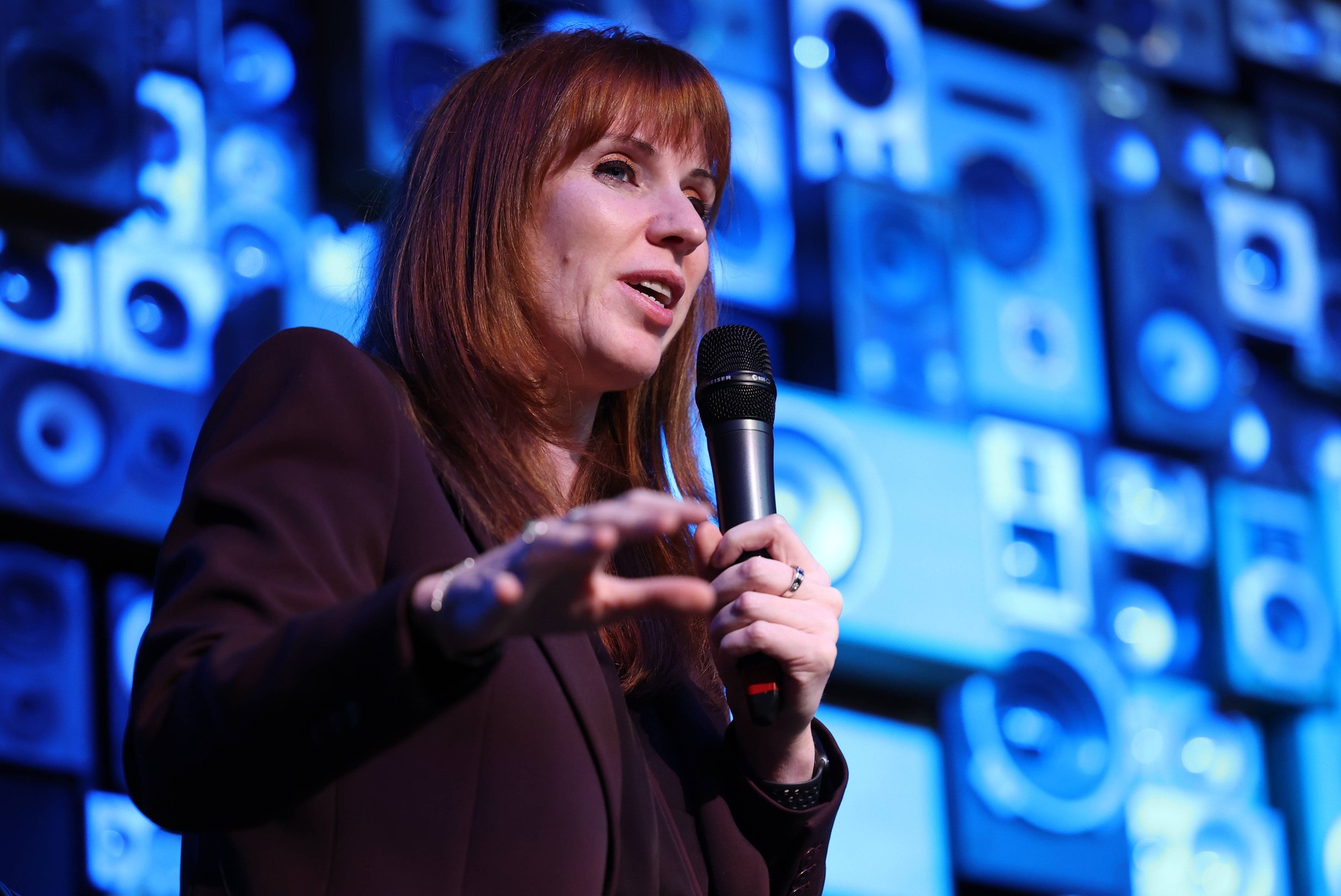
Angela RaynerEPA/ADAM VAUGHAN / PAP
Rayner was Starmer's deputy prime minister until last fall, when she was forced to resign.
While Labor was in opposition, she worked closely with Starmer in preparing to take power. After the parliamentary elections in 2024, she took up the position of Minister of Housing. Her leftist views make her very popular among party activists and members of the Labor Party. In 2020, she was elected Starmer's deputy, which gave her a strong position and her own political mandate.
She resigned last year after it was found that she had not paid the correct amount of tax when purchasing a property. After returning to the parliamentary back benches, he regularly speaks on issues relating to tenants' rights, workers' rights and planned immigration reforms.
However, the British Tax Office's investigation into her tax returns is still pending, which complicates a possible attempt to quickly take over the leadership from Starmer.
2. Andy Burnham

Andy BurnhamEPA/TOLGA AKMEN / PAP
Burnham has previously run for Labor leader – and lost.
He was a member of the cabinet at the end of the previous Labor government. He ran unsuccessfully for the party leadership twice, in 2010 and 2015. The second time, he was defeated by Jeremy Corbyn.
In 2017, Burnham left Westminster to become the first directly elected mayor of Greater Manchester. He won three consecutive regional elections there and earned the nickname “king of the north”.
He is one of the few Labor Party politicians to perform well in the polls. However, his path to power is difficult because he is not currently in the House of Commons.
To join the race to replace Starmer, he must first find an MP willing to give him his seat, convince the party's Executive Committee to let him run, and then win a potentially brutal by-election campaign. Westminster is now watching closely to see if anyone decides to give up his seat in the coming days.
3. Ed Miliband
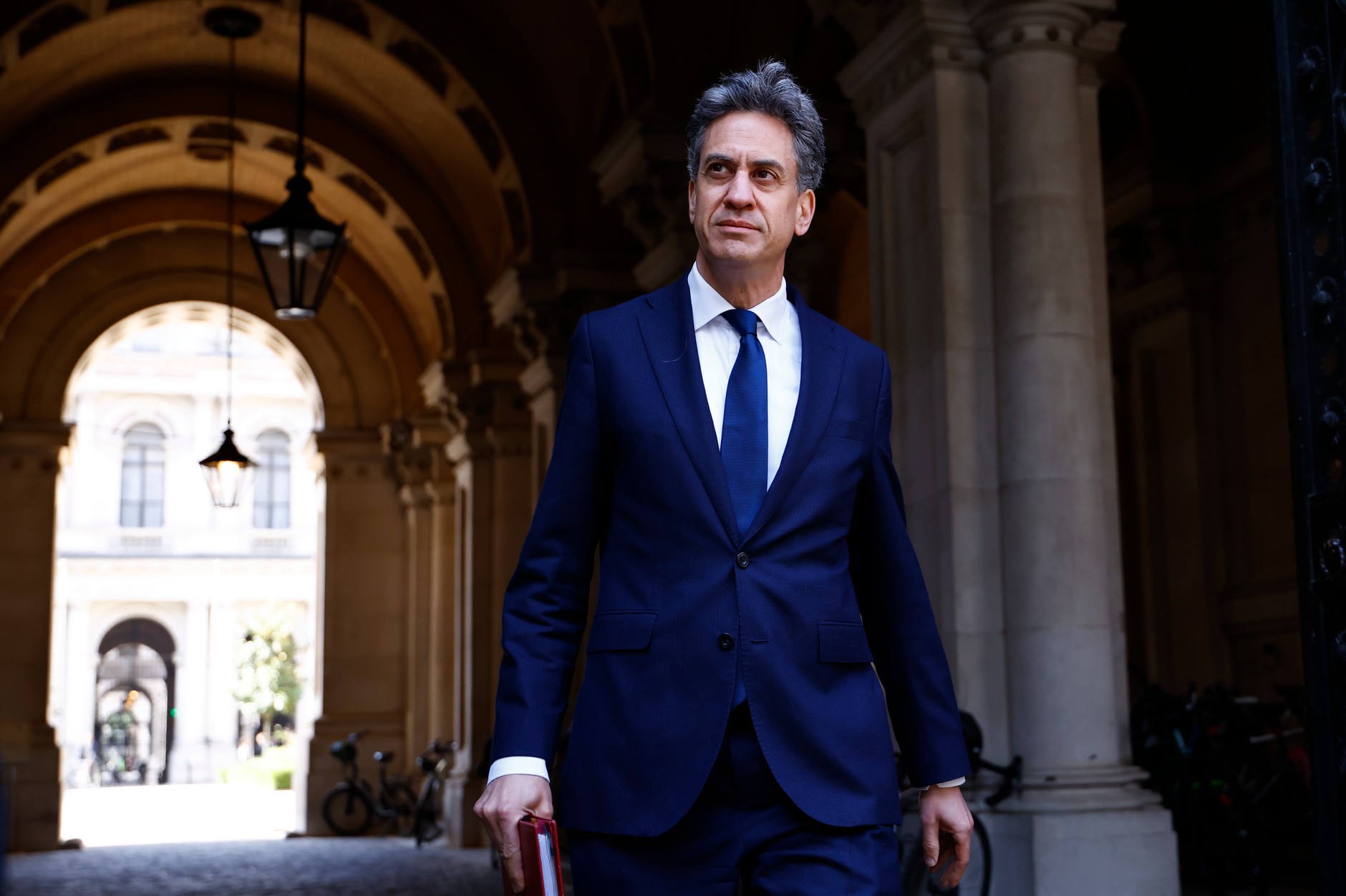
Ed MilibandPAP/EPA/TOLGA AKMEN
Another important figure of the moderate left and the current Minister of Energy – a man who once headed the party.
Miliband became leader of the Labor Party in 2010, defeating his own brother, David Miliband. However, he failed to win the parliamentary elections in 2015, which were won by the conservatives.
He has remained a close ally of Starmer for years. It loudly promotes the idea of achieving climate neutrality thanks to cheap energy produced in the country.
The former Labor leader has repeatedly said he does not want to run for the top job again. However, as other candidates from the moderate left wing face serious obstacles, his supporters may still try to convince him to run in the upcoming leadership fight.
The dark horse of the race?
The Labor Party has over 400 MPs, so there is no shortage of potential candidates.
Home Secretary Shabana Mahmood urged Starmer to consider an orderly transfer of power. In turn, Defense Minister John Healey can portray himself as a calm and predictable politician in unstable times.
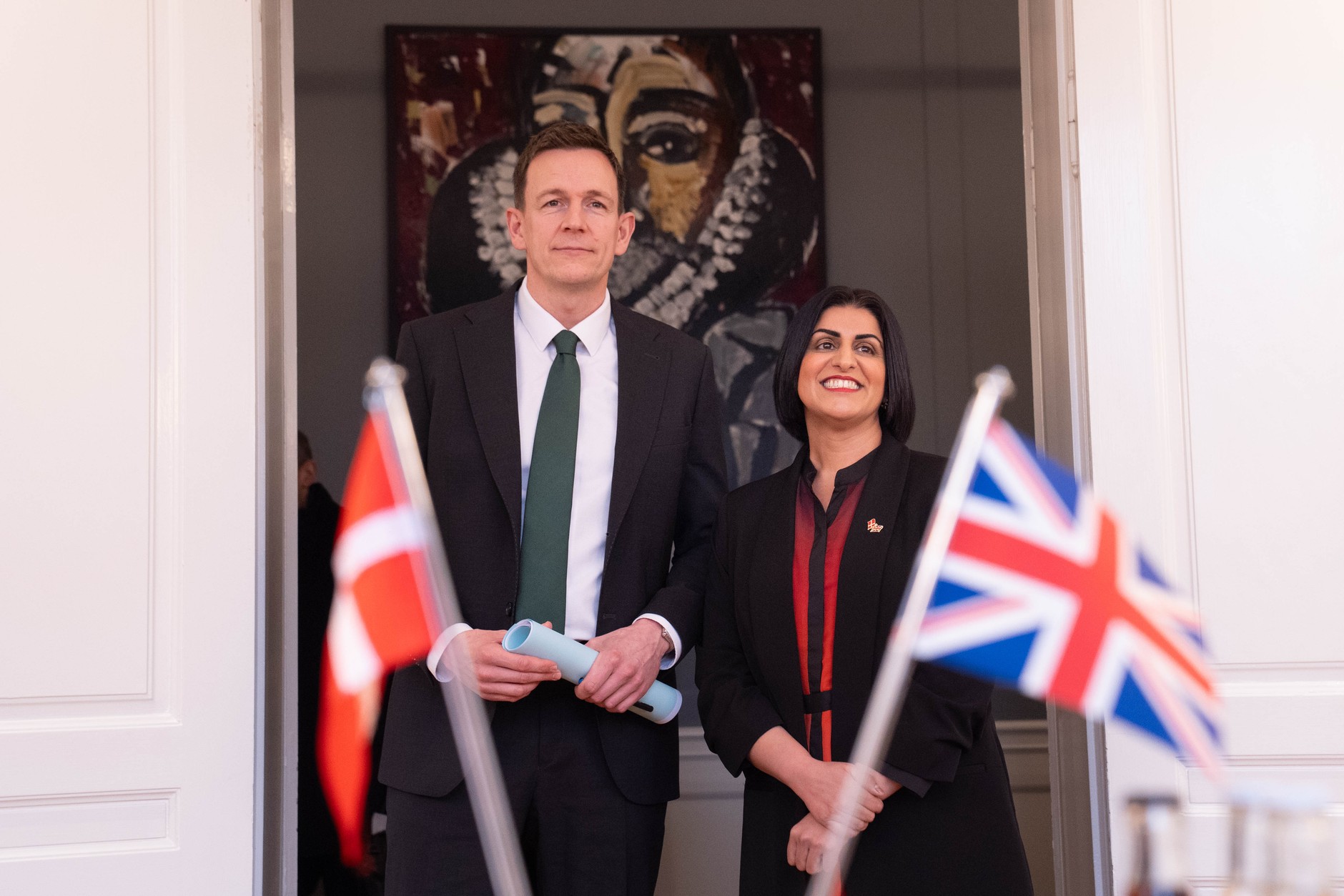
British Home Secretary Shabana Mahmood meets Danish Minister for Immigration and Integration Rasmus Stoklund in Copenhagen, February 25, 2026.Stefan Rousseau/PA Images via Getty Images / Getty Images
It is also worth observing lesser-known ministers, and even ordinary MPs from the parliamentary backbenches, who may suddenly come out of the shadows and present themselves as a completely new beginning after the Starmer era.
Defense Secretary Al Carns, a former Royal Marines officer, published a nearly 1,000-word piece in the New Statesman this week titled “How Labor can win again.”


