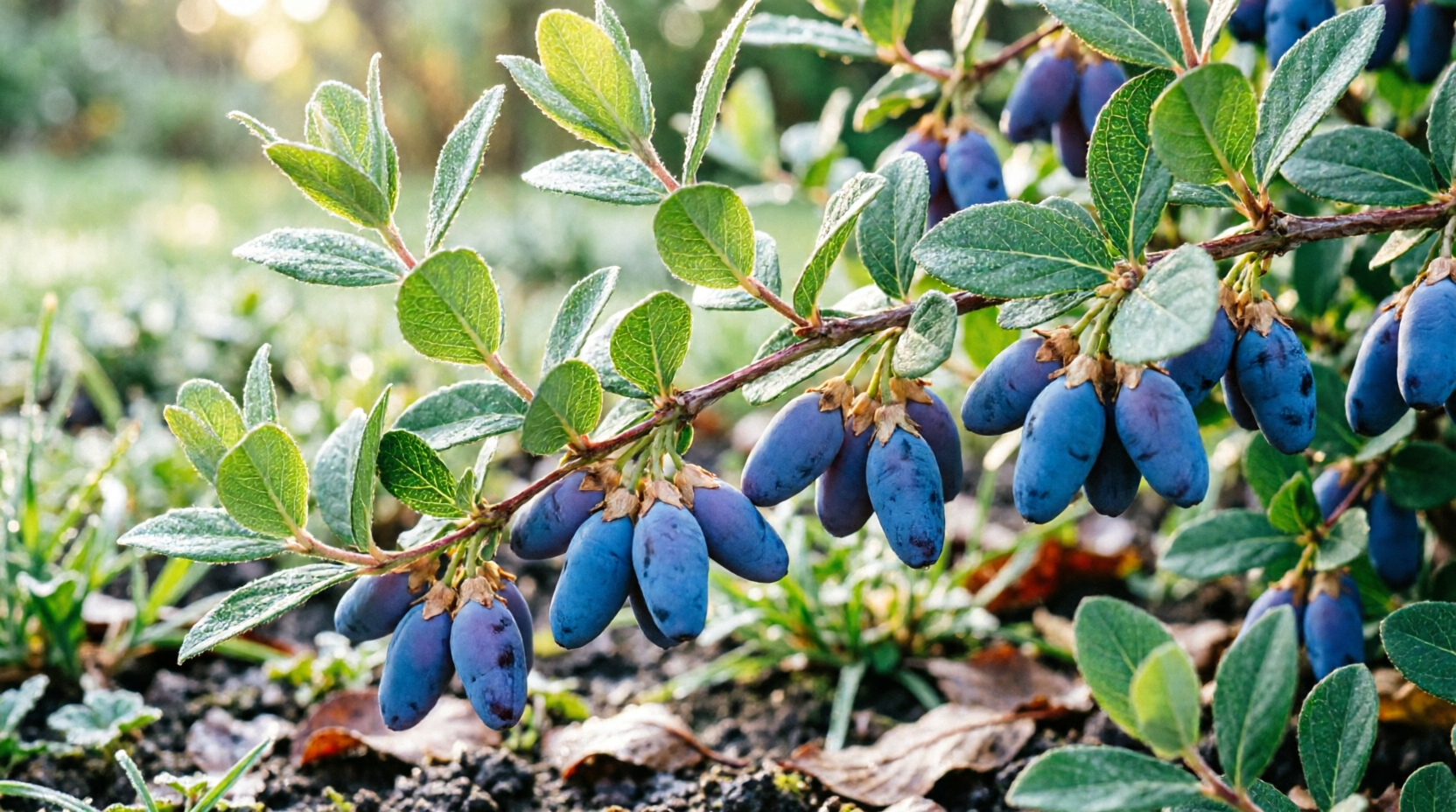
Many gardeners believe that in May honeysuckle does not require attention and will grow on its own, but this is not entirely true. It is during this period that the foundation of the future harvest is laid, and without timely support the bush may not reach its potential.
This crop is indeed considered undemanding, however, in order to obtain large and sweet berries, it is important to fertilize in May according to the rules, reports “URA.RU” (18+).
Why May is important for honeysuckle
At the end of spring, most varieties of honeysuckle undergo a change in development phases: the plant stops actively growing green mass and switches to flowering and the formation of ovaries. At this point, nitrogen fertilizers are no longer so relevant, and phosphorus and potassium come to the fore.
Their deficiency leads to weakened flowering, poor pollination and the fall of unripe berries. If you don’t get your bearings in time, the harvest will be meager and tasteless.
How to feed honeysuckle in May
To feed honeysuckle in May, you do not need complex mixtures, but two proven fertilizers. They solve the main problems: they help the berries set and make them sweeter.
Here is the basic scheme that experts recommend:
- Double superphosphate (20–30 g per 10 liters of water) – provides energy for flowering and root development. First dissolve the granules in hot water and let cool.
- Potassium sulfate (15–20 g per 10 liters of water) – improves the taste of berries, makes them denser and increases the bush’s resistance to weather changes.
When and how best to apply fertilizer
The day before applying fertilizer, dry soil around the bush should be watered with plain water. Fertilizing should be done in the evening or in cloudy weather. Pour the nutrient solution not under the trunk itself, but into a groove made along the perimeter of the bush at a distance of 20–30 cm.
If desired, you can spray the bush. Foliar feeding can be a useful addition, but the emphasis is on root watering.