Valery Panushkin is a Russian writer and journalist.
For over 100 years, the Russian authorities have been trying to create a new faith, a kind of “opiate for the people” that would keep the country in check. First, the Bolsheviks created a pantheon of communist gods and heroes. Then Stalin decided that it was worth bringing the leaders of the Church into the fold cooperation with the KGB, subordinating Russian Orthodoxy to its goals. Later, President Vladimir Putin went a step further, turning the Church into a propaganda mouthpiece for the Kremlin.
However, there has never been a true religion that could effectively control the country. People stopped believing in communism quite quickly. Attending loyalist Orthodox churches seems rather an expression of attachment to ritualssuch as pouring holy water on the occasion of the Epiphany or blessing eggs and Easter cakes, than actual faith. There is a lack of genuine conviction despite constant attempts to arouse any sacred but enduring emotion in society.
Idolatrous “Flame of Memory”
From May 5 to May 9, i.e. on the occasion of Victory Day, activists of the pro-government Popular Front carried the “Flame of Remembrance” through Russia and to several friendly countries. They lit votive lamps from the Eternal Fire at the foot of the Kremlin walls and transported them to Kazan, Volgograd, Krasnoyarsk, Novorossiysk, and even to New Delhi, where they were used to light local fires.
The article continues below the video
If this ritual seems familiar, it's for good reason – it's nothing original. The “Flame of Remembrance” is modeled on the Holy Fire ritual, during which lamps lit from the holy flame are carried through Jerusalem on the night before Easter, symbolizing Resurrection and eternal life.
The other questionable aspect of this performance by the Popular Front is that Carrying “sacred” fire around the world is simply idolatry. It would be much better to use these planes to transport sick and suffering people to where they can get help. This would be truly Christian, instead of “making idols”, which is forbidden by Scripture.
Nobody will remember your names
The new religion that the current Russian authorities – here represented by the Popular Front – are trying to create, it is nothing more than a cult of war. All these parades, “Immortal Regiments”, prayers for victory and military temples are only an expression of this cult.
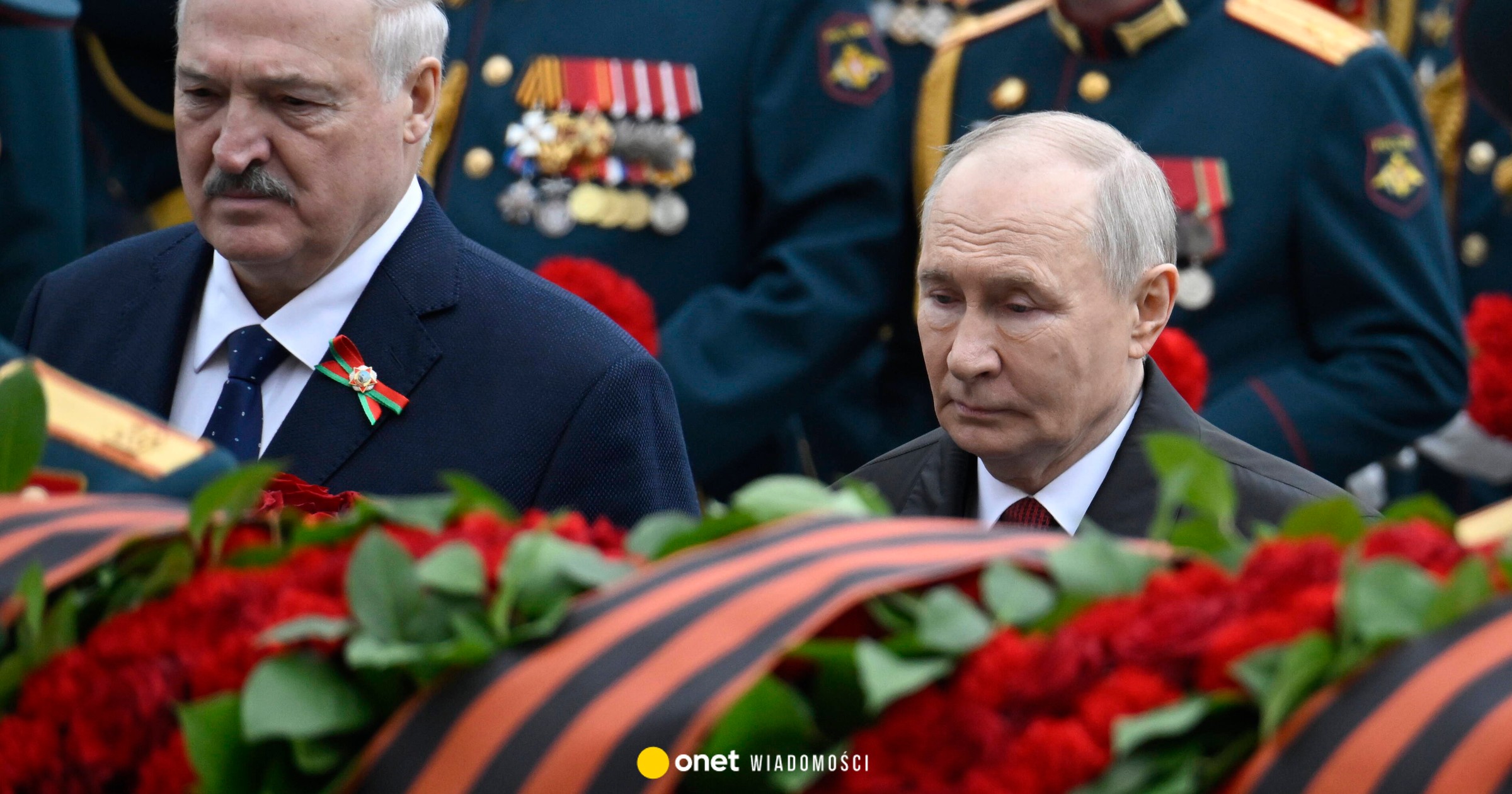
This fire is lit from the Eternal Fire at the Tomb of the Unknown Soldier at the walls of the Kremlin. The words are engraved on this monument: “Your name is unknown, your deed is immortal.”
And that's how it will be. Followers of the religion of war tell people outright that no one will remember their names. They will be sent to slaughter not as unique and priceless individuals, but as nameless soldiers.
Vladimir Putin demonstrates at a Popular Front event. Tula, February 2, 2026EPA/ALEXANDER KAZAKOV / SPUTNIK / KREMLIN POOL / PAP
Looking more broadly, the very idea of the grave of the unknown soldier in the second quarter of the 21st century is already a barbaric relic of the past. It's time to exhume this soldier! Take a DNA test. Perhaps he has children, grandchildren, or at least great-grandchildren who would be grateful to find their grandfather.lost in the war, and for now resting solemnly near the walls of the Kremlin. They would come, lay flowers and drink in his memory. Maybe we would finally find out what this symbolic fallen man really did during the war.
Don't worry, modern people! No one will know your names – despite your achievements in genetics. This is the bad news spread by the Popular Front from home with its pagan campaign “Flame of Remembrance”. So much for this memory.
So know that no one will remember your names either. Amen.
Fortunately, judging by the lack of real volunteers for the war in Ukraine, almost no one believes this nonsense anymore.
I’m Ashley Davis as an editor, I’m committed to upholding the highest standards of integrity and accuracy in every piece we publish. My work is driven by curiosity, a passion for truth, and a belief that journalism plays a crucial role in shaping public discourse. I strive to tell stories that not only inform but also inspire action and conversation.