Ukrainian army “the best in Europe”. Now it's NATO that comes with requests

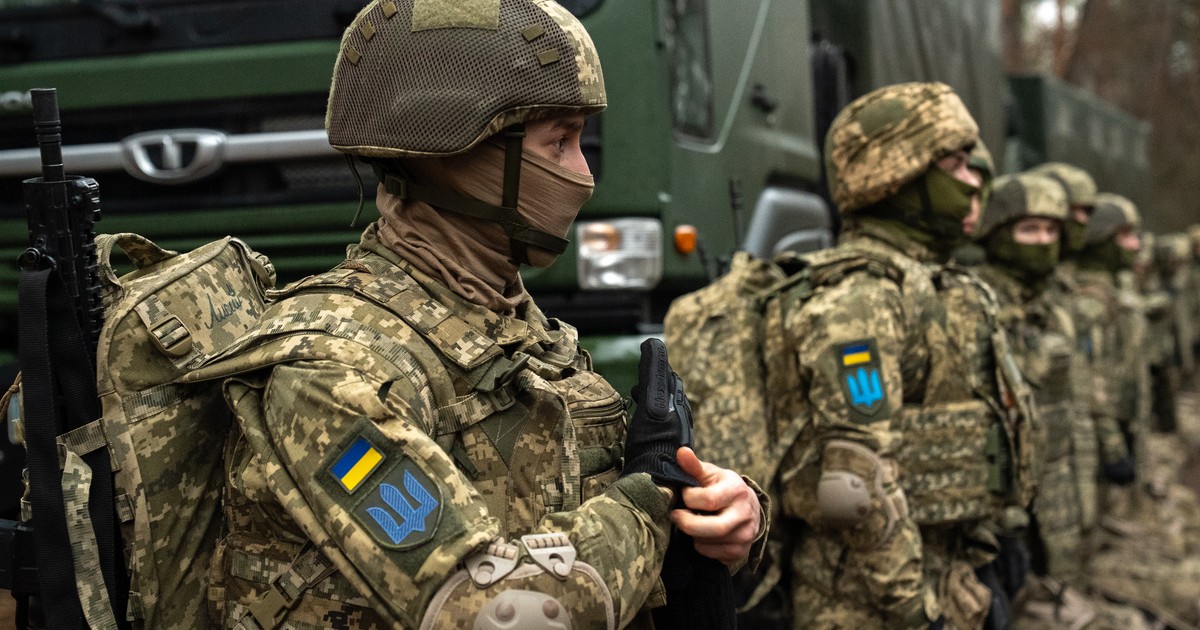
When Russia launched a full-scale invasion of Ukraine in February 2022, many predicted that Russia's much greater military might would ensure a quick victory.
Instead, Ukrainian forces drove the Russians out of the capital, forcing them to fight brutally for years in the east of the country.
— In the last two years it has become especially obvious that Ukraine has developed battlefield technologies and tactics that are useful to other military organizations – former Australian Army Major General Mick Ryan, a military strategist, tells Business Insider.
The British defense analyst even calls the Ukrainian army the best in Europe.
Read also in BUSINESS INSIDER
Currently, the partners want to gain access to Ukrainian weapons, learn its production methods and implement Ukrainian tactics into their own armies.
Today, the Ukrainian armed forces are “undoubtedly the most battle-hardened and currently the best in Europe” – Michael Clarke, a former British security adviser and currently a defense analyst, tells BI. Allies are watching this closely.
Ukraine is training allies
Partner countries have long trained Ukrainian soldiers to fight Russia, but increasingly the roles are reversed – Ukrainians share their knowledge with NATO armies and participate in their training programs, especially in the field of drone warfare.
Last year, NATO opened the Ukraine Joint Analysis, Training and Education Center (JATEC) to implement Ukraine's experience from the battlefield into the alliance's structures.
Admiral Giuseppe Cavo Dragone, chairman of the NATO Military Committee, recently said that alliance increasingly uses Ukrainian drone operators as “adversary” during training exercises to test NATO readiness. He added that Ukraine has moved from a security consumer to a security supplier.
The head of the German army, Lieutenant General Christian Freuding, told Reuters in March that Ukraine was sending military instructors to German military schools to pass on experience gained during the war. He explained that “The Ukrainian army is currently the only one in the world with front-line experience in the fight against Russia.”
Denmark is also using Ukrainian drone specialists for anti-drone operations, and Poland has announced a new drone fleet based on Ukrainian experience.
The training of Ukrainian soldiers by the West continues. Western armies often have decades of experience and training in types of combat and weapons that the Ukrainian army has previously had less exposure to. Increasingly, however, such training is becoming an exchange of tactics and combat approaches rather than a one-way process.
Ukrainian soldiers have sometimes questioned Western training methodsexplaining why certain tactics probably won't work against Russia, while also giving instructors lessons from the front. As trainers from the UK-led program told Business Insider, this knowledge changes the way partner armies train their own forces.
During the opening of a new training camp for Ukrainian soldiers in Poland last year, Polish Defense Minister Władysław Kosiniak-Kamysz said: “This is not a one-sided process,” adding that “we will draw on Ukrainian experience.”
See also: War does not always mean problems with demography. This is the case in the most inflammatory regions
Ukrainian technology is in demand
NATO representatives emphasize that Ukrainian defense technologies are crucial for future armed conflicts. NATO Secretary General Mark Rutte said last year that “Ukraine is a powerhouse when it comes to military innovation and anti-drone technologies” and Ukraine's willingness to share knowledge with allies is “very important.”
Ukraine says many allies have expressed interest in buying its weapons, but exports remain limited because the priority remains war.
Foreign interest skyrocketed as the war with Iran beganas the U.S. and its partners began to face drone threats similar to those Ukraine has been fighting for years.
These threats have increased demand for cheap Ukrainian interceptor drones and expertise in countering such attacks. Ukraine said its technology is already being used in the region and experts are advising partners on air defense.
Clarke stated that Ukrainian defense industry has a “pioneer advantage“, describing it as “the best and only provider of short-term anti-drone technologies that have been proven and can be produced very quickly.”
“Ukraine has become a center of expertise,” Keir Giles, senior consultant on the Russia and Eurasia program at Chatham House, tells Business Insider. The war, he adds, “significantly strengthened Ukraine's position in the world.”
Ukraine also produces weapons in partner countries to speed up the process and reduce the risk of attacks, and this allows Western companies to learn its methods of operation.
Partners want to learn how Ukraine produces weapons, recognizing that it often does it faster and cheaper — thanks to different processes, less bureaucracy and closer cooperation with soldiers. NATO representatives praise Ukraine's pace and innovation and say that Western companies should follow its example.
Troels Lund Poulsen, Denmark's defense minister, previously told BI that he wants Danish defense companies to learn from Ukrainian ones in order to “transfer the experience gained by Ukrainian defense companies to the Danish defense industry.”
He also added that the production of Ukrainian weapons in Denmark will provide its army with access to newer technologies and combat experience.
The Norwegian Defense Minister recently said that the agreement on the production of Ukrainian drones in Norway “strengthens the Norwegian defense industry.”
Western companies also cooperate with Ukrainian enterprises directly in Ukraine, wanting to benefit from their innovation driven by war experiences.
Ihor Fedirko, director general of the Ukrainian Defense Industry Council – an organization representing over 100 companies – tells BI that foreign companies operating in Ukraine cooperate with local specialists, so that allies “have the opportunity to gain battlefield experience and knowledge directly from our army.”
Ukraine produces more and more of its own weapons, but is still dependent on advanced Western equipment. For example, the United States provides key weapons systems, such as air defense systems, for which Ukraine currently has no equivalents.
Kiev aims to reduce dependence on foreign technologies and rely more on financing and partnerships, using its growing competences to deepen long-term relationships with allies.
The above text is a translation from American edition of Business Insider