The decision to accelerate the work was made due to the gap in Europe's defense capabilities, deepened by the sudden change in US policy regarding the deployment of Tomahawk missiles in Germany.
Read also: A journey to China through the eyes of a Pole. Technology, prices and everyday life without cash
The Düsseldorf-based company announced that its new joint venture, established with the Dutch start-up Destinus, will start producing modern weapons at the end of this year or in early 2027. The joint venture – Rheinmetall Destinus Strike Systems – will deliver cruise missiles and ballistic rocket artillery for both the German army and international customers.
European response to US withdrawal
The impetus to intensify the work was the recent decision of President Donald Trump, who canceled the Joe Biden administration's plan to deploy American Tomahawk missiles on German territory. The sudden change in Washington's policy forced Berlin and other European capitals to look for bridging solutions and accelerate their own projects to precisely destroy targets deep inside the enemy's territory.
The main product of the new company is to be the Ruta Block 2 autonomous medium-range cruise missile. Although its range, estimated at over 700 km, is much smaller than that of the American Tomahawks, it is intended to be a key element of Russia's deterrence strategy.
Importantly, Destinus already supplies cruise missiles to Ukraine, which has put the company on the list of potential targets of the Russian Ministry of Defense.
Read also: Donald Trump: I can transfer soldiers from Germany to Poland
Rheinmetall challenges leaders
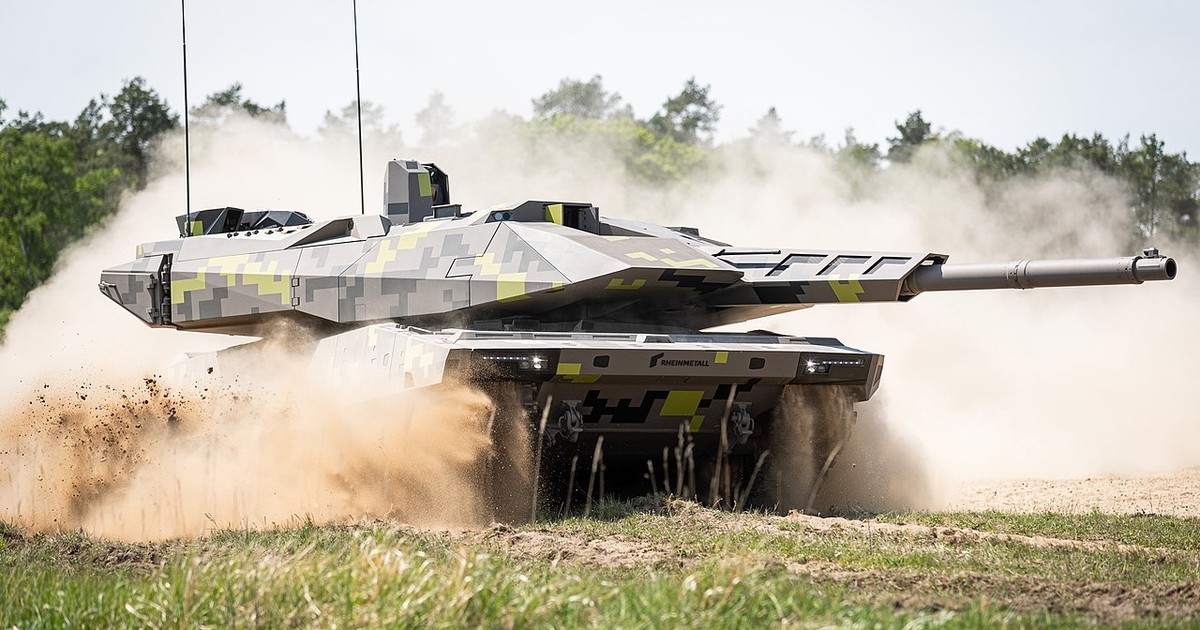
For the Rheinmetall concern, previously known mainly for the production of tanks, artillery and ammunition, entering the cruise missile segment is a historic step.
The company is starting to compete in a field previously dominated by the pan-European MBDA group. This expansion is made possible by record growth in defense spending in Europe.
Rheinmetall's order backlog reached a record level of EUR 73 billion (up from EUR 56 billion a year earlier). The company expects revenue growth in 2026 by 40-45%, which is expected to bring sales exceeding EUR 14 billion. The results are influenced by, among others: a new naval division, established after the takeover of the Naval Vessels Lürssen shipyard.
Although the first quarter results slightly missed analysts' expectations, CEO Armin Papperger reassures investors. – We are on track to achieve our ambitious annual goals – emphasized the giant's boss, announcing a further increase in orders in the following months of 2026.