The introduction of the deposit system raised concerns among traders regarding high logistics costs and the lack of space for packaging return machines in smaller stores. The drinks industry and local governments argued over the division of profits from uncollected deposits and the impact of new regulations on current recycling levels. Consumers, in turn, feared chaos.
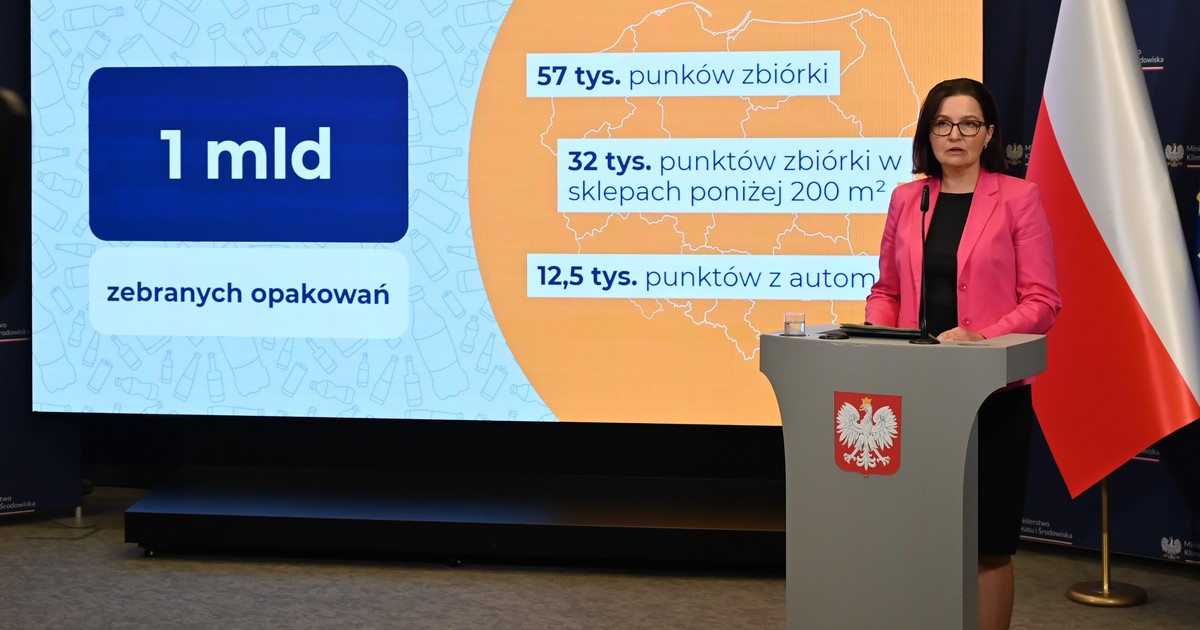
What are the effects of controversial changes? “In 57 thousand Return points have already collected 1 billion packages that will be returned to circulation“, the Ministry of Climate and Environment announced on Friday.
He argues that “this is a real benefit: fewer raw materials used, more effective recycling, cleaner cities and forests, and lower cleaning costs. Each returned bottle and can strengthens the system that builds a responsible economy and good everyday habits.”
Most of the 1 billion packages (81%) were returned via deposit machines, available in 12.5 thousand location.
See also: The deposit already affects our purchases. One detail changes the competition
The ministry notes that although the statutory obligation to collect packaging rests with large stores with an area of over 200 square meters, 32,000 smaller points decided to join the system voluntarily. That's as much as 56 percent. all return points.
Deposit system. What is it?
The deposit system is a simple mechanism in which money circulates with packaging. When a consumer buys a drink and pays a deposit, the store does not make any money on it – he only recovers the amount he previously paid when purchasing the goods. All operations are supervised by an operator who keeps accurate records of funds in the system.
The system is designed in such a way that individual market participants ensure the correctness of settlements. Starting from the customer who returns the packaging and expects to get the deposit back, through stores, wholesalers, marketers, and operators. There is no mechanism for the refund of deposits between individual entities in the supply chain.
See also: It's Poles who are thinking about the deposit system! Are such opinions surprising? [RAPORT]
If the consumer does not return the packaging, the so-called deposit not collected. These are funds allocated to packaging that has not been returned to collection points. After the end of the calendar year, the operator uses them solely to cover the costs of operating the system: e.g. transport, administration and remuneration for stores for handling returns.
The system is not intended to generate profit from the deposit – any financial surplus supports its operation and development.