Article by David Istrate – Published Friday, 08 May 2026, 11:37 / Updated Friday, 08 May 2026 11:40
The organizers of the Tour de France have decided to change a route in the second stage to avoid Collserola, an area affected by African swine fever. Thus, the stage will be reduced by approximately 16 kilometers.
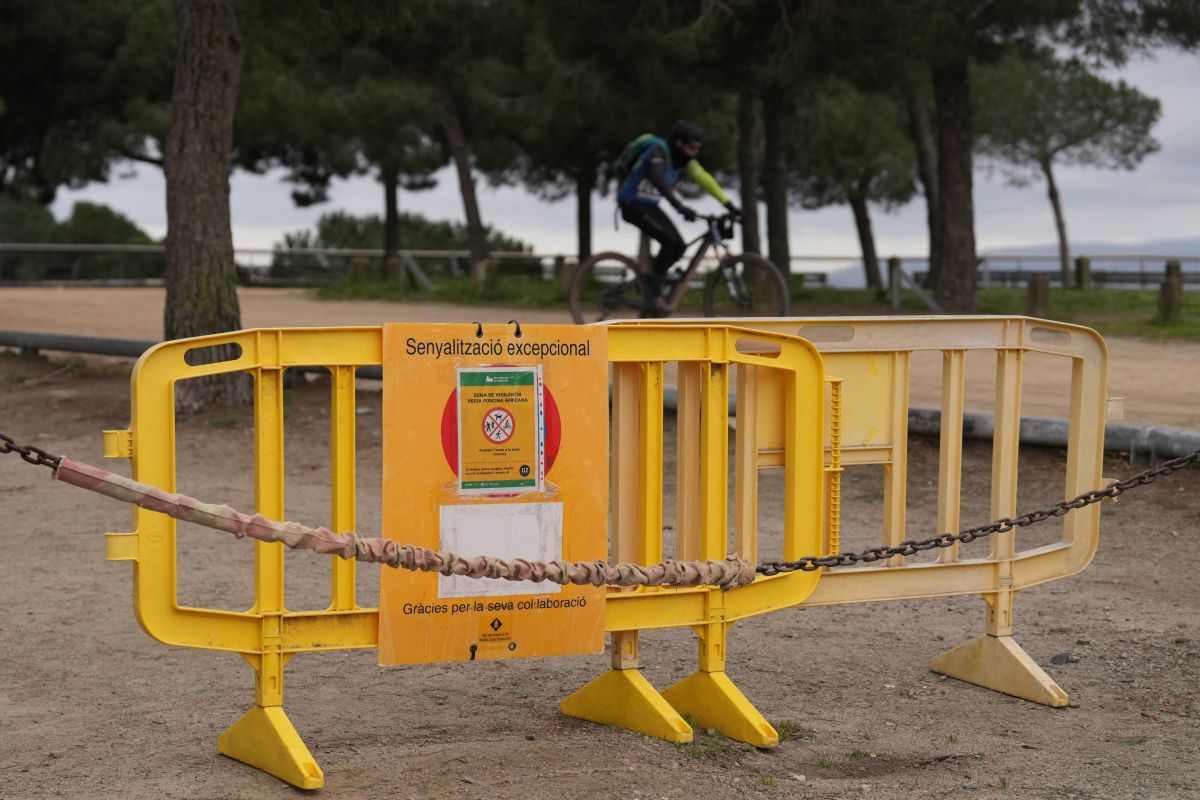
This spring, access to Collserola, a mountain range near Barcelona, was restricted after an outbreak of African swine fever. According to a report published on beaconbio.org, by March 12, 2026 they were confirmed 227 cases of African swine fever in wild boars from 9 localities in Catalonia.
The route of the second stage of the Tour of France has been changed following the appearance of an outbreak of African swine fever in Catalonia
In this context, the Catalan government asked the organizers of the Tour de France to modify the route of the second stage to avoid passing through Collserola. Even though African swine fever is not transmissible to humans, the government request was made to protect the area.
“African swine fever is a serious viral disease affecting domestic pigs and wild boars and is characterized by high virulence, rapid transmission and high mortality. Even if the disease is not transmissible to humans, the economic and commercial repercussions require the adoption of strict control measures, required by European law“, the Catalan Government sent, according to Marca.
The organizers of the Tour de France understood the situation and changed the route of the second stage. Therefore, at kilometer 123, riders will exit Molins de Rei and continue on the N-340 to Plaza Espanya, the route being reduced by approximately 16 kilometers.
The Tour de France will run from July 4-26 and will start in Barcelona, and then on July 6, in the third stage, the riders will pass to France. In 2024 and 2025, the Tour de France was won by the Slovenian Tadej Pogacar.
This week, after participating in the Famenne Ardenne Classic race in Belgium, several riders had serious gastrointestinal problems. The alleged cause of this situation is roadside cow dung, which was spread by rain onto the road, caught on bicycle wheels and ingested, leading to camplyobacter infection.