According to sources from American negotiation circles, the “deal” may be concluded even within 30 days, and US President Donald Trump is already talking about “diplomatic progress”. The world, which was thrown into an energy crisis by the blockade of the Strait of Hormuz, breathed a sigh of relief. Oil prices plummet and stock investors celebrate.
So far, only the outlines of the plan prepared by Trump's emissaries – Steve Witkoff and Jared Kushner – have been made public.
However, what is already known is surprisingly reminiscent of the US-Iran agreement that Trump has ridiculed for years: the international nuclear agreement JCPOA (Joint Comprehensive Plan of Action) concluded under Barack Obama.
When you compare both plans point by point, the similarities become extremely uncomfortable.
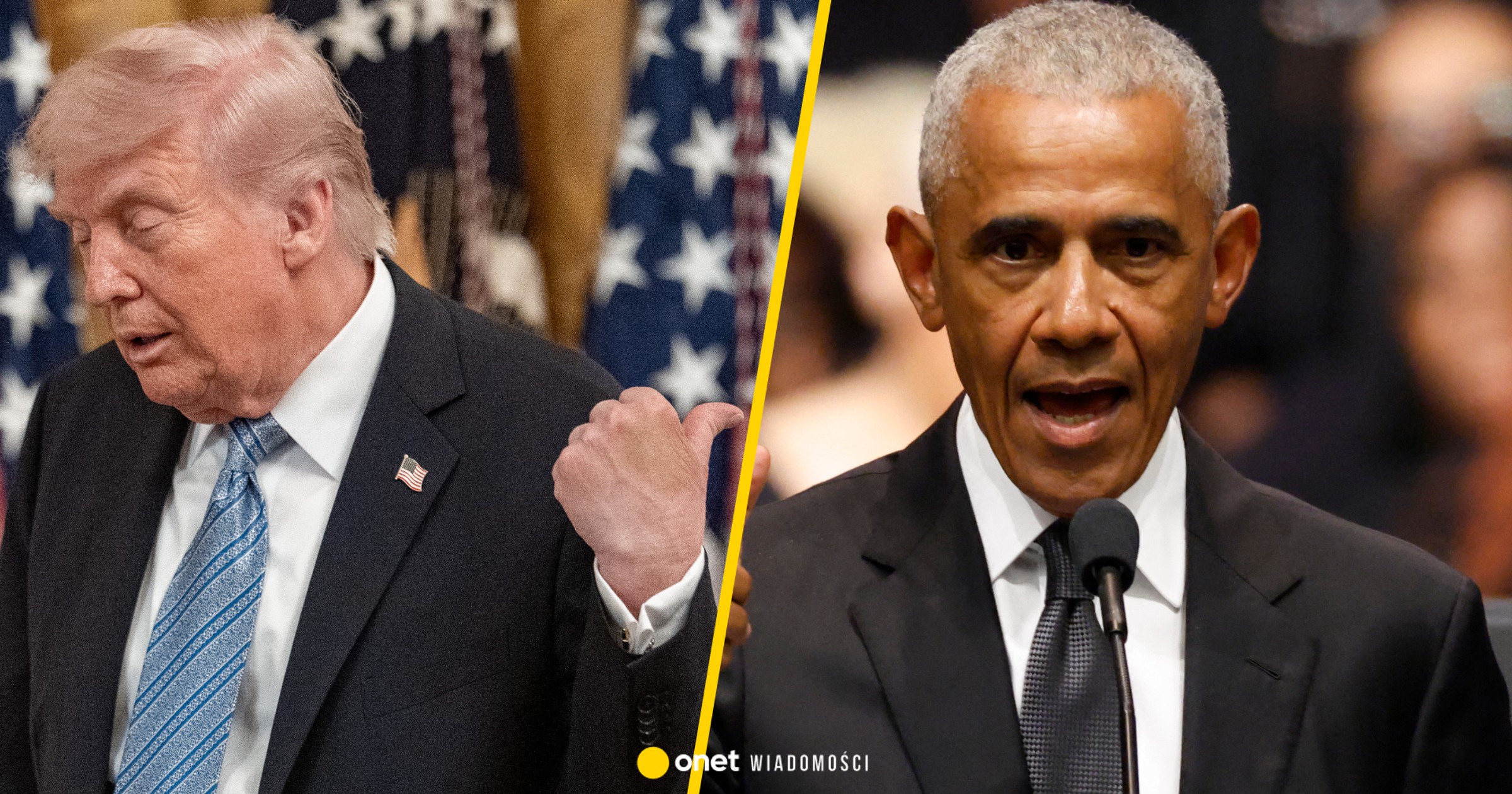
Trump has repeatedly claimed that the world — especially the ayatollah regime — was “laughing like crazy at Obama.” According to him, the democratic president enabled Iran to create a path to obtaining nuclear weapons, and additionally strengthened the regime as a sponsor of terrorism by unlocking the frozen billions of dollars.
Barack Obama, US President, announces the lifting of sanctions on Iran. Washington, January 17, 2016EPA/JIM LO SCALZO / PAP
A year after Trump moved into the White House in 2017, he ended that agreement.
Now, after two months of war with Iran and the disclosure of the first details of a possible peace treaty, the question increasingly arises: are the two arrangements really so different?
Iran's nuclear program: freezing or limiting?
Under Trump's plan, Iran would most likely freeze its nuclear program. For how long? Tehran – according to media reports – proposes five years. Americans, however, want a period of 12 to 15 years, according to the “Axios” website. Under Obama, Iran was still allowed to enrich uranium, but only to a level of 3.67%. However, much higher concentrations are needed to produce nuclear weapons.
According to current estimates, Tehran already has over 400 kg of almost military-ready uranium – material that was only created in the years after the collapse of the Obama agreement. Both plans also rely on inspections by the International Atomic Energy Agency (IAEA).
Return of frozen assets
For now, it is not known exactly what amount would be unlocked under Trump's plan.
Earlier reports suggested the amount was USD 6 billion. (approx. PLN 24 billion). The maximum demands of the ayatollah regime were to reach up to $27 billion. (approx. PLN 108 billion).
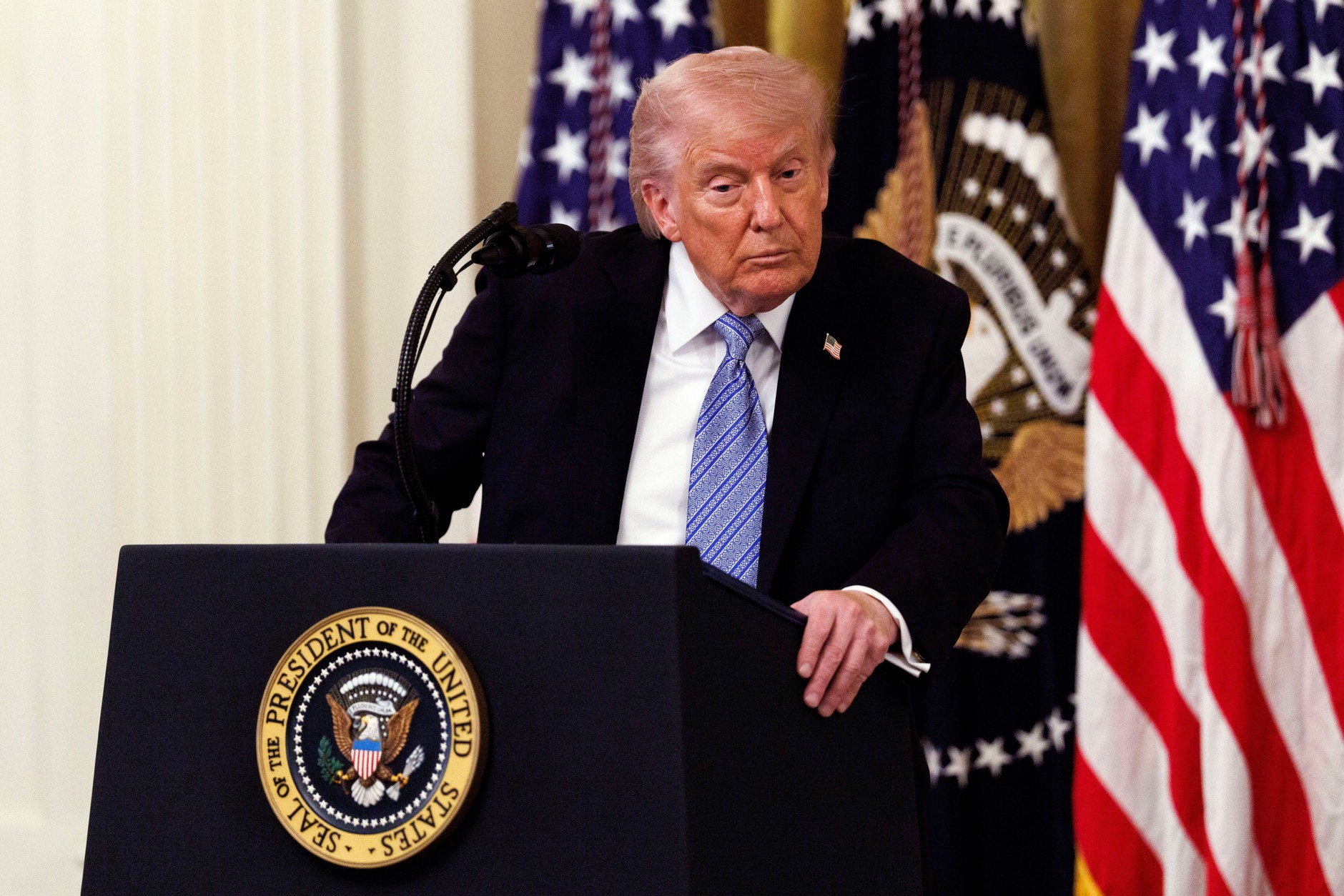
Donald Trump, president of the USA, in the White House. Washington, May 4, 2026EPA/WILL OLIVER / POOL / PAP
Under Obama, $1 billion and $700 million were returned to Iran. (approx. PLN 6,800 million).
Trump still likes to talk about “suitcases full of cash” that were to be sent to Iran.
Iran's aggressive policy: in both agreements, the topic fades into the background
So far, Trump's new initiative says little about Iran's role as a sponsor of terrorism in the region — especially Tehran-backed organizations and militias such as Hamas, Hezbollah and the Houthis.
The same applies to possible restrictions on drones and missiles. Importantly, however, these issues were not a central element of the nuclear agreement even under Obama.
The article continues below the video
Still, Trump could present a possible diplomatic breakthrough as his own success. Such an arrangement would alleviate the effects of the war, the oil market crisis and the blockade of the Strait of Hormuz.
Did Trump really win?
However, critics, referring to Obama's agreement, ask the question: whether this year's war actually produced better results – especially regarding the Iranian nuclear program?
Opponents respond: NO.
Other experts also view Trump's deal with great caution, but point out that the regime's military and nuclear capabilities have been at least severely limited and its proxy armies and supporting militias have been greatly weakened.
Additionally, the ayatollahs would have to take into account a real threat to their own survival if they decided to break the terms of the agreement.
I’m Ashley Davis as an editor, I’m committed to upholding the highest standards of integrity and accuracy in every piece we publish. My work is driven by curiosity, a passion for truth, and a belief that journalism plays a crucial role in shaping public discourse. I strive to tell stories that not only inform but also inspire action and conversation.