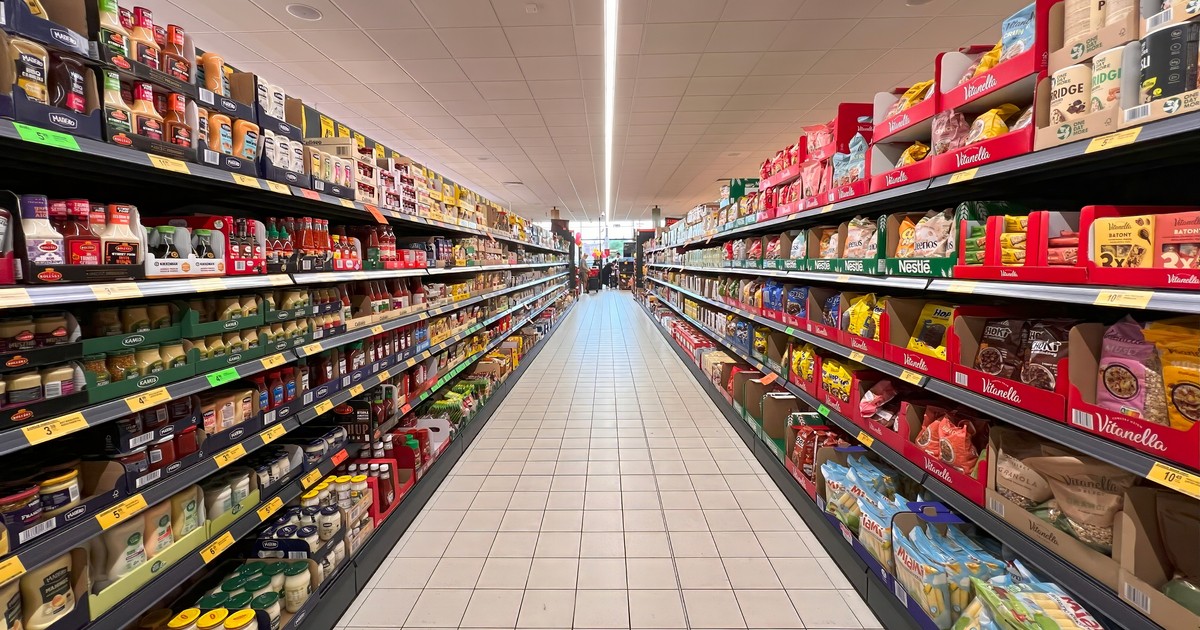
The new regulations are intended to increase the transparency of the food market and limit the possibilities of cheating customers, among others. on product warehouses. It is also about promoting products of higher quality in terms of health. “The goal is, among other things, to change the composition of foods with high sugar content and to help consumers make informed and healthier decisions when choosing products such as honey, fruit juices, jams and preserved milk,” informs the Ministry of Agriculture and Rural Development. He adds that “the new regulations are intended to counteract honey fraud.”
See also: The European Union is introducing new limits for copper in food. The changes will cover fruit, vegetables and meat
The breakfast directive will limit honey fraud
The Breakfast Directive is to enter into force on June 14. It will eliminate from store shelves, among others: filtered honey that only “pretends” to be full-value. The filtration process deprives honey of its most valuable ingredients, which the customer is not always aware of when choosing a specific product.
According to the directive, honey labels will have to clearly indicate the countries of origin of honey mixtures, as well as the percentage of honey from each country. According to “Rzeczpospolita”, real honey after June 14, 2026 will have to retain its natural composition, including enzymes and valuable pollen, which “fraudulent” products lose under the influence of filtration.
See also: It looks identical, but the composition is different. Biedronka customers surprised
The EU breakfast directive covers not only honey, but more product categories. The Ministry of Agriculture mentions, among others: about jams, fruit jellies, marmalades. The new regulations increase the required minimum amount of fruit used for the production of jams and jellies, expand the permitted technologies for reducing the sugar content in fruit juices. They also allow the production of certain types of partially or completely dehydrated preserved milk with reduced lactose content, according to the Ministry of Agriculture.