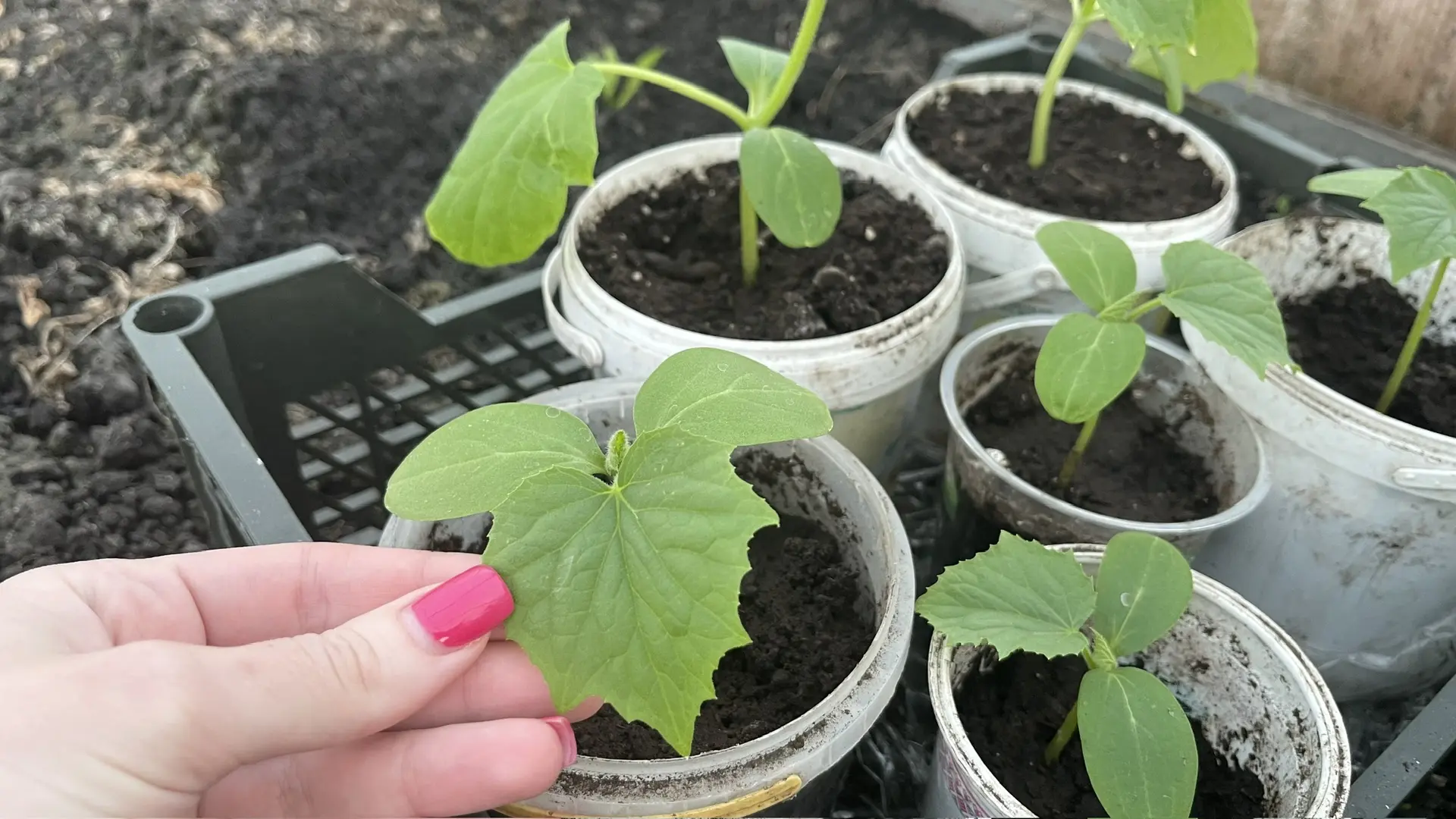
Even with good preliminary preparation of the bed, seedlings do not always quickly take root in a new place. The main problem is that the soil remains cold, too wet, or lacks the active microorganisms necessary for rapid rooting.
How watering affects the survival rate of seedlings
Regular watering before planting can significantly improve the situation. Thanks to properly moistened soil, the roots begin to work faster, the plant gets sick less often and tolerates temperature changes more easily. This is especially important in spring as the weather remains unstable.
Basic watering options before planting:
- Warm water – suitable for loose and healthy soil, helps warm up the top layer.
- Wood ash (solution) – improves structure and reduces acidity.
- A weak solution of potassium permanganate or biological products reduces the number of harmful bacteria and fungi, especially in areas where there were previously diseases.
How to prepare the soil before planting seedlings
First of all, you should use warm water with a temperature of about 25 degrees. Water the holes 30 minutes before planting – this warms up the root zone and triggers moisture absorption without shocking the roots.
Additionally, you can use a solution of wood ash (1 cup per bucket of warm water). Such watering not only supplies the plant with potassium and microelements, but also deoxidizes the soil and also serves as a preventive measure for rot, which is especially useful for cabbage, tomatoes and cucumbers.
If diseases have previously been observed in the area, it is better to use a weak solution of potassium permanganate – pale pink. They should water the bed a couple of hours before planting to disinfect it from fungi and bacteria like blackleg.
Important! Do not mix ash and potassium permanganate in one solution, as they neutralize each other, so if you have already spilled the holes with potassium permanganate, it is better to add the ash with a dry pinch separately or the next day after planting.