Imminent agreement or “image maneuver”? Intense US-Iran negotiations mocking 'Operation Trust me Bro'

US President Donald Trump has predicted that the war with Iran will end soon as Tehran considers a US peace proposal that, according to sources, would formally end the conflict but leave unresolved key US demands that Iran suspend its nuclear program and reopen the Strait of Hormuz.
An Iranian Foreign Ministry spokesman, quoted by Iran's ISNA news agency, said Tehran would deliver its response, while Iranian lawmaker Ebrahim Rezaei, spokesman for the powerful parliamentary committee on foreign policy and national security, described the proposal as “an American wish list rather than a reality.”
“They want to make a deal. We've had very good talks in the last 24 hours and it's very possible we'll get a deal,” Trump told reporters in the Oval Office on Wednesday, adding later that “it's going to be over quickly.”
Trump has repeatedly raised the prospect of a deal to end the war that began on February 28, so far without success.
The two sides remain at odds over a number of difficult issues, such as Iran's nuclear ambitions and its control of the Strait of Hormuz, which before the war handled a fifth of the world's oil and gas supplies.
The ironies of Tehran
A Pakistani source and another source briefed on the mediation told Reuters that an agreement on a one-page memorandum that would formally end the conflict was close.
That would kick off talks to unblock shipping through the strait, lift US sanctions against Iran and impose restrictions on Iran's nuclear program, the sources said, cited by Reuters.
Iranian parliament speaker Mohammad Baqer Qalibaf appeared to mock reports that the two sides were close to an agreement, writing on social media in English that “Operation Trust Me Bro has failed.”
Qalibaf stated that such information is nothing more than an image maneuver by the US after its failure to open the Orrmuz Strait.
What is happening to the oil?
International media reports of a possible deal sent global oil prices down to two-week lows on Wednesday, with benchmark Brent crude futures falling about 11 percent to around $98 a barrel at one point before recovering above $100.
Global stock prices also rose and bond yields fell amid optimism about an end to a war that has disrupted energy supplies.
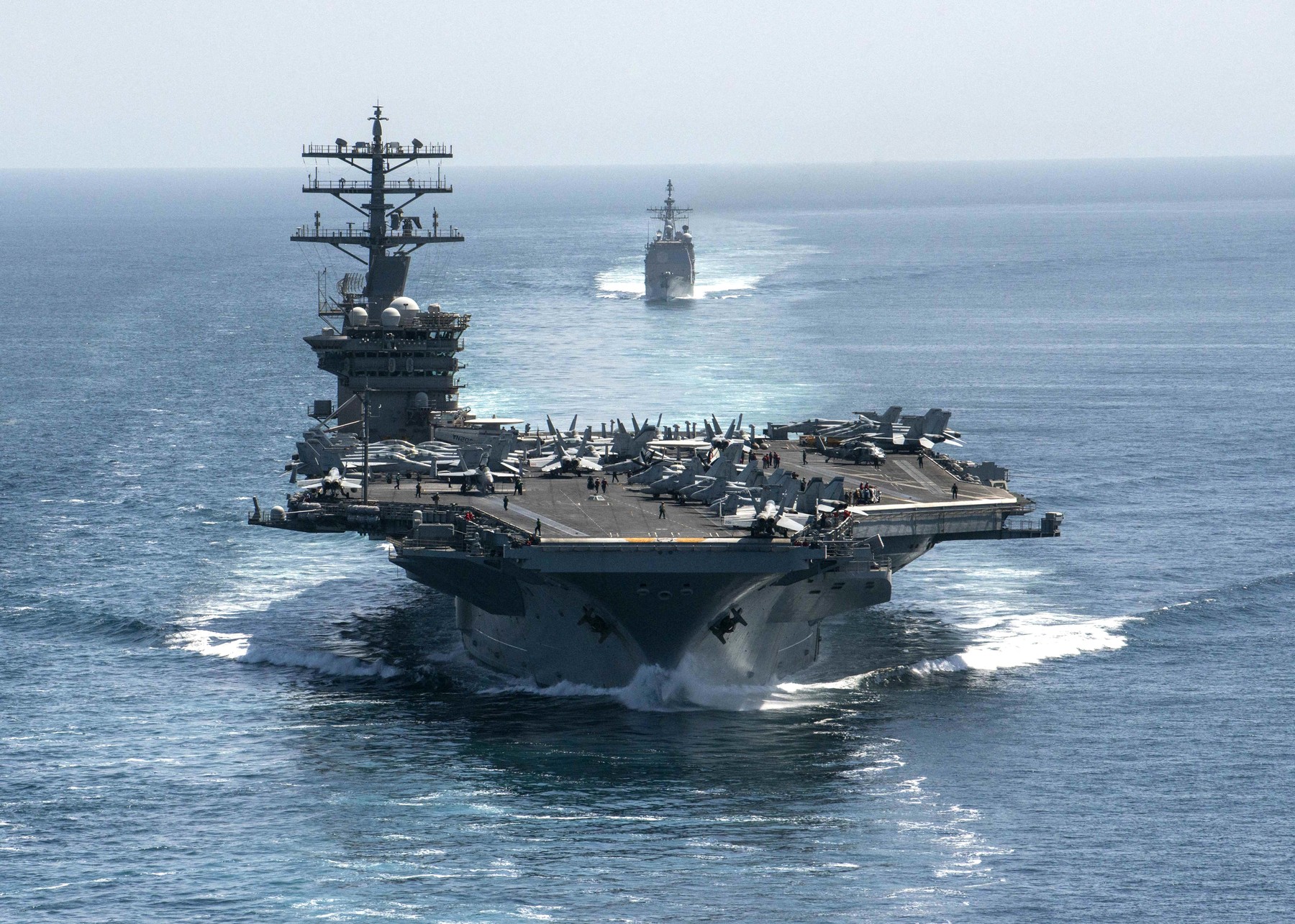
Trump suspended the naval mission, dubbed Project Freedom, launched two days ago to reopen the blocked strait, citing progress in peace talks.
Why Trump Suspended Operation “Project Freedom”
Two US officials told NBC News that Trump's sudden change of position came after Saudi Arabia suspended the US military's right to use a Saudi base for the operation.
Saudi officials were surprised and outraged by Trump's announcement that the US would help escort ships through the Strait of Hormuz, prompting them to inform Washington that they would deny US permission to fly military aircraft from a Saudi base or through Saudi airspace, NBC reported.
The White House did not immediately respond to a Reuters request for comment.
The US military maintained its own blockade of Iranian ships in the region. US Central Command said forces fired on an Iranian-flagged oil tanker without cargo on Wednesday, damaging the vessel as it attempted to sail to an Iranian port in violation of the blockade.
No mention of key US requirements
The source briefed on the mediation told Reuters that the US negotiations were being led by Trump's envoy, Steve Witkoff, and his son-in-law, Jared Kushner. If both sides agreed to a preliminary settlement, they would begin a 30-day period of detailed negotiations to reach a full agreement.
While the sources said the memorandum would not initially require concessions from either side, they did not mention several key demands made by Washington in the past that Iran has rejected, such as restrictions on Iran's missile program and an end to support for militias it supports in the Middle East.
Nor did the sources mention Iran's existing stockpile of more than 400 kg of near-weapons-grade uranium.