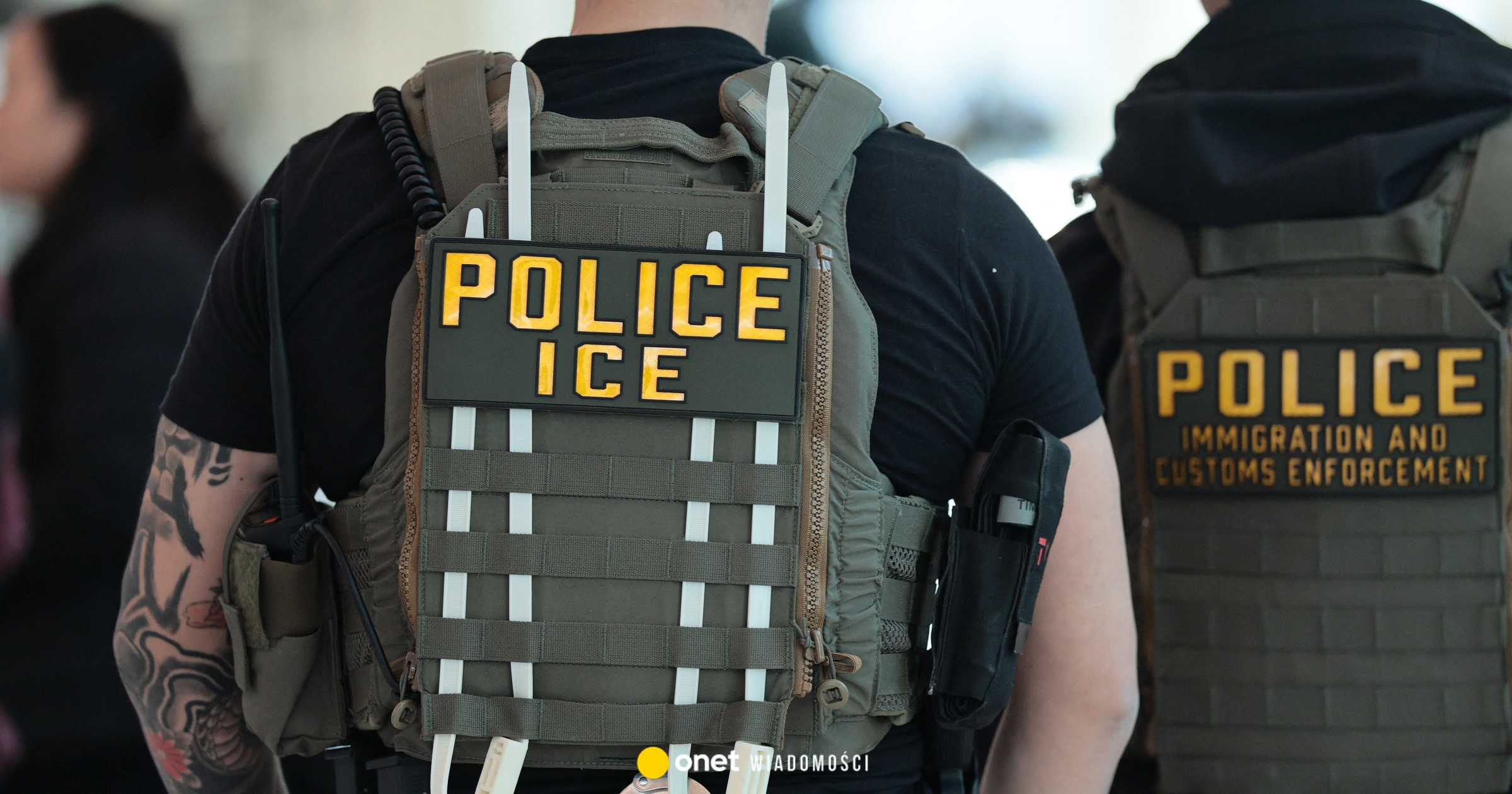
In addition to scrapping the simplified training, the Department of Homeland Security (DHS) plans to certify and send experienced officers into the field to provide additional instruction to those hired under the expedited program, sources said.
The training program is still being refined and the initial administration plan may change.
DHS has denied that it has lowered the training of its deportation officers. But Democrats and whistleblowers say new ICE agents hired with funding from last year's Republican bill underwent a simplified training program lasting about six to eight weeks (42 to 56 days), a reduction from the 72-day basic training program recruits went through a year ago.
This change is there the latest example of the Trump administration recalibrating its hardline approach to immigration enforcement in the face of widespread political opposition and waning support for ICE — and President Donald Trump's handling of immigration. In addition to practical changes such as training, DHS also softened its stance on immigration and made a number of leadership changes at the agency in the wake of former DHS chief Kristi Noem's resignation.
“We're actually doing something good here,” the insider said. — ICE takes this really seriously, these are not just empty words.
The agency is also working to broadly revise and strengthen training protocols for ICE Enforcement and Removal Operations, the branch of the agency responsible for arresting, detaining and deporting undocumented immigrants, the source added, mentioning that this will include improving the way the agency conducts on-the-job training. ICE plans to place certified officers in field offices where their primary responsibility will be to serve as those responsible for training future employees to ensure consistent standards across the country.
The White House forwarded a request for comment to DHS. A department spokesman said ICE training does not end when recruits leave the training academy and officers undergo “rigorous on-the-job training and mentoring” that is “tracked online and closely monitored.” The spokesman pointed to an existing model in local ICE offices that relies on senior officials to serve as “mentors, trainers and instructors for agents and officers.”
— New hires apply what they learned in [Federalnym Centrum Szkolenia Organów Ścigania]and apply it in real-life situations while on duty, upholding ICE's reputation as one of the most elite law enforcement agencies not only in the United States, but around the world, he said.
Bipartisan concerns persist on Capitol Hill about inadequate training standards for immigration agents hired during last year's raid, and these changes may alleviate some of those criticisms. They emerge from conversations that acting ICE Director Todd Lyons and “border czar” Tom Homan had with lawmakers during funding negotiations.
Lyons and Homan promised some people on Capitol Hill that they would look into the matter, the source said, adding that officers hired in recent months would get “an additional 30 days of training that they did not receive before starting their jobs.”
Lawmakers and the administration discussed requiring additional training for immigration officers, but the administration wanted it to be an oral agreement, not written into law as Democrats wanted, according to two people familiar with the talks. According to the first one, the White House presented a proposed legislative text that was ultimately not included in the DHS bill after negotiations ended in failure.
Intense debate over policy changes demanded by Democrats led to a 76-day shutdown of DHS that finally ended last week. Still, Democrats and the White House have failed to reach agreement on a number of policy issues, including requiring federal law enforcement officers to obtain a warrant before entering private property.
The article continues below the video
DHS has repeatedly denied reports that it has waived any ICE training requirements, even as the agency itself has admitted to reducing the timeline. In a February press release, DHS said recruits receive 56 days of training and an average of 28 days of on-the-job training, and ICE claimed that “no training requirements have been waived.” DHS also said training was expanded from five days a week, eight hours a day, to six days a week, 12 hours a day.
“The essence of training was never removed,” Lyons said at a hearing in February, when lawmakers pressed him on training requirements.
But in February, Ryan Schwank, a former ICE instructor who trained new recruits in the proper use of force before resigning this year, testified at a hearing organized by Democratic Sen. Richard Blumenthal of Connecticut and Rep. Robert Garcia of California that basic training program currently 'inadequate, flawed and broken'.
“For the last five months, I have watched ICE dismantle the training program,” Schwank said during the hearing. — 240 hours of key classes were cut from a 584-hour program; classes that teach about the Constitution, our legal system, the use of firearms, the use of force, lawful arrests, proper detention, and the limits of officers' powers.
In conjunction with the whistleblower's testimony, Democrats released internal agency documents, including a July 2025 training program providing 584 hours of training over 72 days, compared to a February 2026 training program providing approximately 336 hours of training over 42 days.
I’m Ashley Davis as an editor, I’m committed to upholding the highest standards of integrity and accuracy in every piece we publish. My work is driven by curiosity, a passion for truth, and a belief that journalism plays a crucial role in shaping public discourse. I strive to tell stories that not only inform but also inspire action and conversation.