Italy reopens after 20 years a murder case that kept the front page: “The trial was a circus”

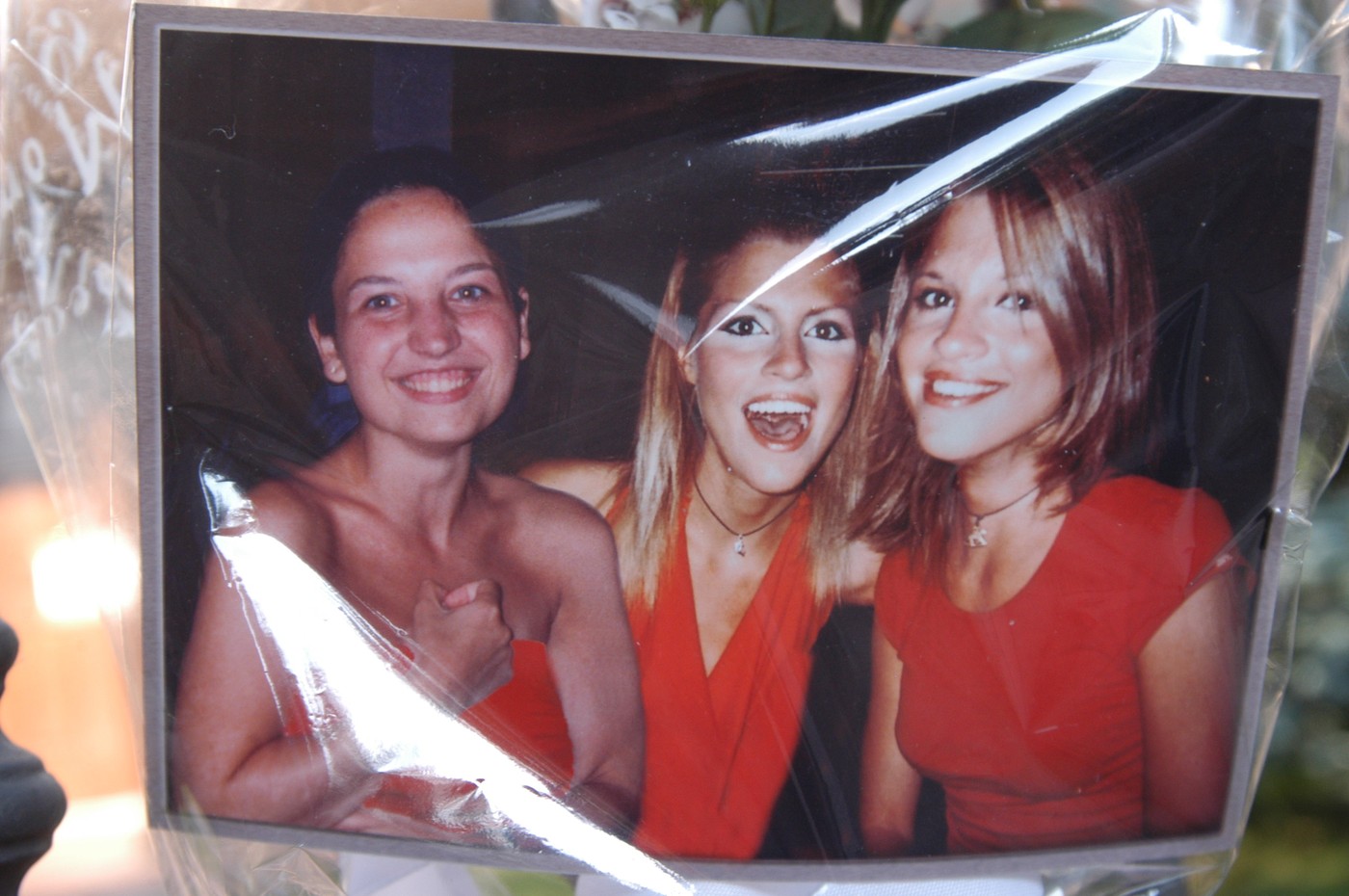
Nearly two decades after 26-year-old Chiara Poggi was found dead in her home in the small northern Italian town of Garlasco, a case that once seemed closed has been reopened, rekindling doubts about one of the most scrutinized murder investigations in the peninsula's history.
The case has become a psychological drama closely followed in newspapers and on television, highlighting a possible shortcoming of the Italian justice system, and has returned to the spotlight just as the man convicted of murder is nearing the end of his sentence.
Alberto Stasi, a student with whom Poggi was dating at the time, was convicted in 2015 of her murder. The 16-year prison sentence seemed to close a tragic story that had captured the attention of the entire country since the beginning.
Who is the new suspect of the Italian investigators
Prosecutors are now pursuing a new theory, centered on Andrea Sempio, a friend of Poggi's brother, raising the possibility that one of Italy's most infamous murders may still have a different ending, and very different from the one known so far.
Sempio was summoned for questioning on Wednesday after prosecutors revealed they now suspect him of being solely responsible for Poggi's death – something he denies.
His car was greeted by a throng of reporters and his arrival at the hearings in the city of Pavia was broadcast live on television. His lawyers said he would exercise his legal right not to answer to investigators.
“(The case) captivated Italy because the whole situation was clearly a miscarriage of justice,” Gianni Riotta, a veteran Italian journalist, told Reuters. At the time of Poggi's murder in August 2007, Riotta was the head of public broadcaster RAI's main news program.
“The trial was a circus. There were so many loopholes in the case, and yet a conviction was obtained,” he said in comments to Reuters.
Poggi's boyfriend was acquitted twice before being convicted of her murder
The case is compared by some to another infamous crime in Italy, that of the British student Meredith Kercher in Perugia. She was found dead in November 2007, just three months after Poggi. Amanda Knox and Raffaele Sollecito, two of the main suspects, were convicted but eventually acquitted and released by an appeals court.
Both cases centered on contested DNA evidence and exposed apparent deficiencies in police procedures.
It was the Stasi who called the police to announce that they had found Poggi's body. He quickly became the focus of the investigation and was eventually indicted.
He never confessed, the murder weapon was never found and no clear motive was established. Instead, the police case was based largely on forensic traces and disputed accounts of Stasi movements on the morning of Poggi's death.
He was acquitted at the first trial, then again when prosecutors appealed. But Italy's highest appeals court ordered a retrial and he was eventually convicted, dividing Italy into two camps over his guilt.

Prosecutors say DNA samples incriminate Sempio
Now, 11 years later, a new team of prosecutors has reopened the case after new forensic analysis raised questions, including renewed attention to traces of male DNA found under Poggi's fingernails. Investigators said they would be compatible with Sempio's DNA.
He had been exonerated during the initial investigations and denies any involvement in the young woman's murder.
Police are also investigating allegations that Sempio's family paid a prosecutor to help remove his name from the suspect list — an allegation the family denies.
“People here keep saying that Italy has the best justice system in the world. Well, if that's true, how come we got to this disastrous situation?” Riotta, the former head of RAI, also told Reuters.