The armistice “hangs by a thread”. Bad news from the Middle East as the US and Iran battle for control of the Strait of Hormuz

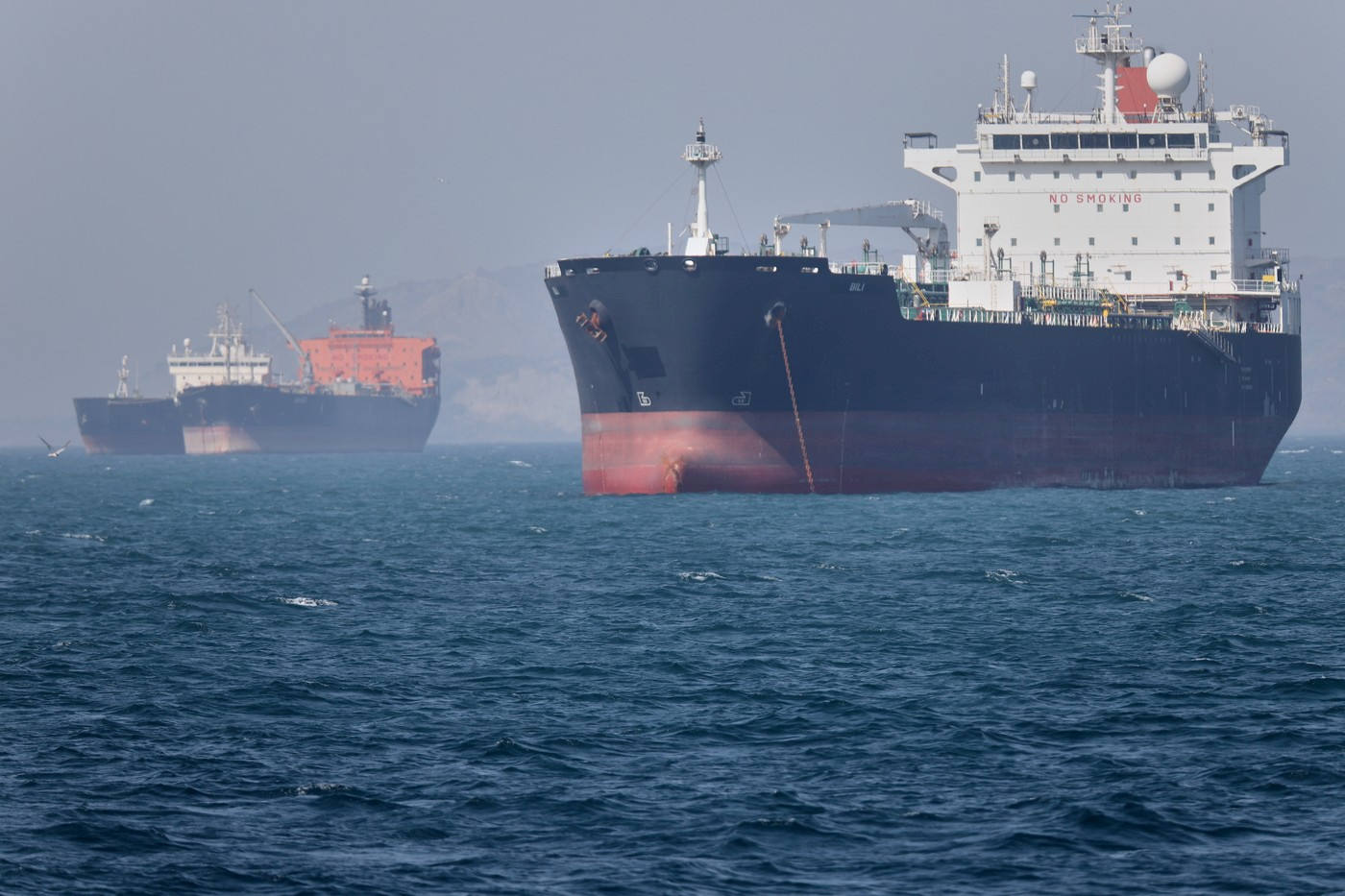
The fragile ceasefire agreement in the Middle East was under question on Tuesday after a series of confrontations between the United States and Iran in the Persian Gulf, write Reuters and BBC.
The Middle East ceasefire was breached on Monday when the United Arab Emirates (UAE) said it had been attacked by Iran, while the US military said it had destroyed six Iranian warships and that Tehran fired on US ships in the Strait of Hormuz.
UAE authorities said Iran's attack caused a fire in the Fujairah Oil Industrial Zone, the UAE's largest oil storage area. It was the first such attack since the ceasefire ended in early April.
Meanwhile, the US has announced that US ships will transit the Strait of Hormuz, and some optimistic news came from Danish container shipping giant Maersk, which announced on Tuesday that one of its ships, the US-flagged Alliance Fairfax, had crossed the waterway.
Trump announced Operation Freedom Project on Sunday, claiming the US had been asked by countries “around the world” to help free merchant ships that were “stuck” in the strait.
The war in the Middle East has killed thousands and shaken the world economy, driving up energy prices.
Armistice “hangs by a thread”
It is not yet clear whether Monday's attacks indicate that the truce has officially collapsed. Tehran has not officially confirmed or denied that it has resumed attacks, and a senior military official denied that Iranian ships were sunk.
Foreign observers have expressed concern over a possible resumption of war, with a former UK national security adviser saying the truce is “hanging by a thread”.
Lord Ricketts also told BBC Breakfast that he had doubts about the success of the US plan to escort merchant ships through the Strait of Hormuz, given that there were “hundreds” of ships stuck there, and before the war dozens passed through every day.
“I can't escort every single ship,” he said, adding that one or two ships being hit is enough for the shipping industry to “lose all confidence in the possibility of a safe crossing.”
He said the “only way” to ensure safe passage is through a deal with Iran.
“A Drop in the Ocean”
Other question marks came from representatives of sea carriers.
The news that Maersk was able to get one of its vessels through the Strait of Hormuz was “a drop in the ocean”, Tim Wilkins, managing director of Intertanko, a trade body representing independent oil tanker owners and operators, told the BBC.
He noted that it was “a single vessel that was closely escorted under some very strict circumstances.” For the rest of the ships that are still stuck, “this is not going to change anything dramatically,” he said.
Wilkins said there was “no structured convoy or coordination mechanism”.
“So our members are simply asking the basic questions: Who is initiating these transits? Who is communicating with the authorities on behalf of the vessel? And, indeed, a key question: What is the backup plan if a vessel is stopped by Iranian forces while in transit?” he continued.
“We have only just begun,” say the Iranians
Both camps, Washington and Tehran, continued the vehement statements.
US President Donald Trump said in an interview with Fox News on Monday that Iran would be “wiped off the face of the earth” if it attacked US ships.
He also stated that Iran has become “much more flexible” in the peace negotiations, while emphasizing that the US has superior military resources to Iran's.
On the other hand, Tehran claimed that the US is violating the truce.
The speaker of Iran's parliament, and the country's chief negotiator in last month's talks with the US, said Washington had jeopardized shipping and energy security in the Strait of Hormuz.
“The security of shipping and energy transit has been put at risk by the US and its allies through the ceasefire violation and blockade. However, their evil deeds will fail,” said Mohammad Ghalibaf.
“We know full well that maintaining the status quo is intolerable for America, while we have only just begun,” he argued.
Pakistan's call
During this time, Shehbaz Sharif, the prime minister of Pakistan, who acted as a mediator between the US and Iran, stated that his country “strongly condemns the missile and drone attacks on civilian infrastructure in the UAE.
“It is absolutely essential that the ceasefire be maintained and respected to allow the diplomatic space needed for dialogue leading to lasting peace and stability in the region,” Sharif said.
Separately, Bilawal Bhutto Zardari, chairman of the ruling Pakistan People's Party, told the BBC that both sides should “avoid escalation” and “continue their commitment to diplomacy”.
Pakistan is “currently still exchanging messages and trying to create confidence-building opportunities”, he said, but incidents like “yesterday's attacks” “complicate the process”.