The issue of record earnings for oil companies has become a major political topic in France, especially in the context of the ongoing war in the Middle East.
Read also: Poland will sign SAFE agreements with the European Commission. Magdalena Sobkowiak reveals details
Emotions heated up results of the TotalEnergies concern, whose net profit in the first quarter increased by as much as 51%.
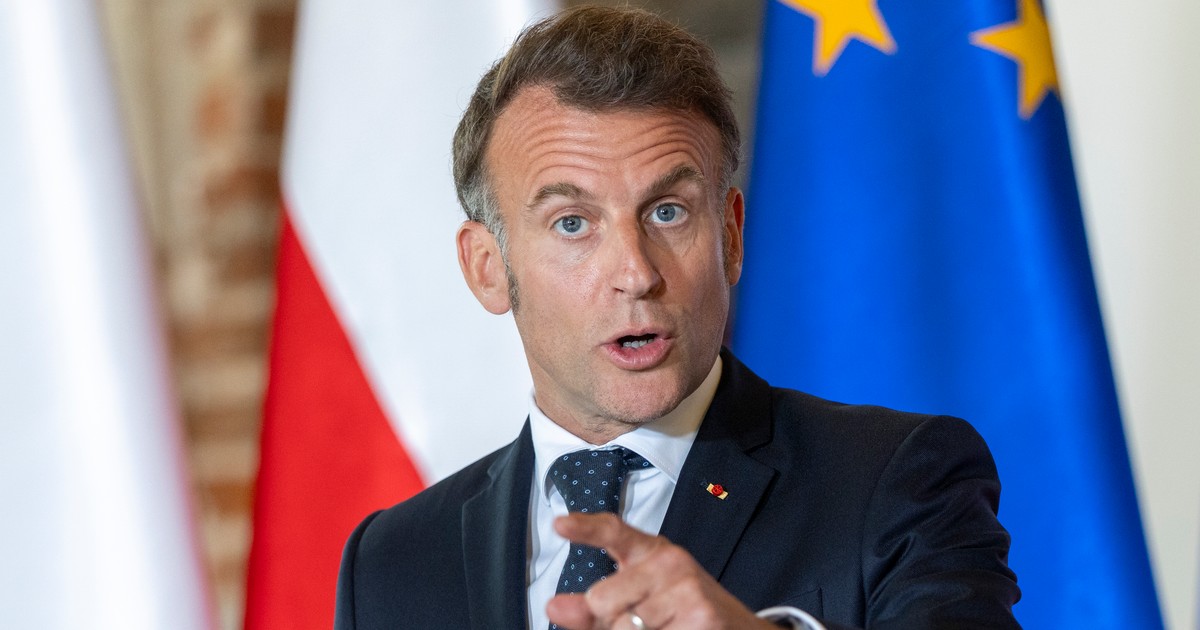
In response to these data, President Macron, attending the European Political Community summit in Yerevan, outlined the limits of the EU's patience.
“Somewhat predatory” behavior under the microscope
The French president noted that European countries will be forced to take action if behavior he described as “somewhat predatory” emerges. At the same time, Macron tried to remain objective about the current situation on the raw material markets.
“At this stage, there are no producers anywhere who would deliberately raise prices” – said the French president, adding that for now he does not see any deliberate action aimed at increasing the rates.
Despite this cautious diagnosis, Macron emphasized that Europe will have to react if “excessive” profits are generated at the expense of the economy and citizens.
Read also: Maximum fuel prices for Tuesday. This is what drivers will pay
Opposition front: from socialists to the extreme right
The pressure on the Elysée Palace is growing as almost all the opposition demands a hit to the profits of oil companies. The Socialist Party has already submitted a bill introducing a special tax on extraordinary income. Interestingly, there is rare agreement on this issue between the left and the far right.
Marine Le Pen, leader of the National Rally, also spoke in favor of taxing giants, although she imposes certain conditions. According to her, such a solution would be necessary if the current attempts to limit fuel prices at gas stations turned out to be insufficient from the point of view of the purchasing power of the French. The extreme right consistently demands a reduction in VAT on fuel.
The government relies on the “generosity” of business
Despite parliamentary pressure, Prime Minister Sebastien Lecornu's cabinet remains adamant towards fiscal ideas. The government officially does not plan to reduce VAT or introduce special taxation for oil companies, probably fearing a slowdown in investment.
Instead of new taxes, the Prime Minister of Lecorn chose the method of persuasion. The head of government called on the management of TotalEnergies to “generously” reduce fuel prices directly at gas stations. In the government's opinion, this form of “redistribution of extraordinary profits” would be the most beneficial for citizens' wallets, without complicating the tax system. But will an appeal to corporate goodwill be enough to calm social sentiment? The answer will come in the coming months on the fuel market.