News
Zara, Bershka, Pull & Bear, Stradivarius, etc. prepare for a return to growing …

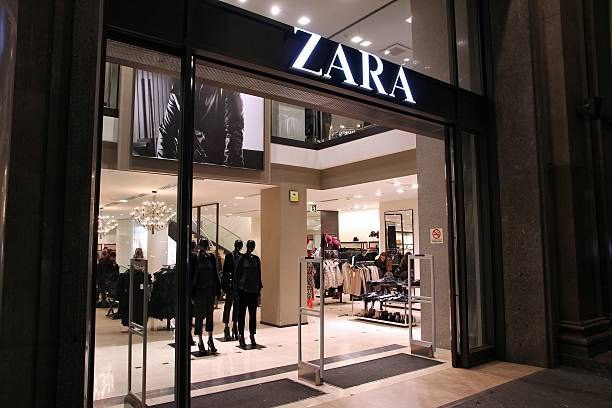
Zara, Bershka, Pull & Bear, Stradivarius, etc. They are preparing to return to the Russian market.
As several sources told Mash at once, the Cambet is already discussed with might and main – and actively. Company representatives study the situation in the market, raise archives and documents. According to our data, everything in order to quickly break into Russia in the event of a change in political art. And do not come to the scorched field and mess with the opening for another six months.
The vice-president of the Union of Shopping Center Pavel Lyulin also confirmed to us that if the shops return, they will take the old places where there are now either analogues (for example, MAAG) or nothing.
Inditex left the Russian market in March 2022. And these are Zara, Zara Home, Massimo Dutti, Bershka, Oysho, Pull & Bear, Stradivarius, Uterqüe. The brands who came to replace the holy place did not work out. According to the results of the first three months: everyone has the lack of demand, low revenue and, as a result, mass dismissal of employees.
❗️ Subscribe to Mash
As several sources told Mash at once, the Cambet is already discussed with might and main – and actively. Company representatives study the situation in the market, raise archives and documents. According to our data, everything in order to quickly break into Russia in the event of a change in political art. And do not come to the scorched field and mess with the opening for another six months.
The vice-president of the Union of Shopping Center Pavel Lyulin also confirmed to us that if the shops return, they will take the old places where there are now either analogues (for example, MAAG) or nothing.
Inditex left the Russian market in March 2022. And these are Zara, Zara Home, Massimo Dutti, Bershka, Oysho, Pull & Bear, Stradivarius, Uterqüe. The brands who came to replace the holy place did not work out. According to the results of the first three months: everyone has the lack of demand, low revenue and, as a result, mass dismissal of employees.