PHOTO Greece, paralyzed by strikes on May 1: Ferries and public transport are blocked, thousands of tourists affected

A 24-hour general strike is paralyzing the whole of Greece on Friday, with rail and sea transport completely blocked nationwide. The protest against the price hikes is stopping the metro and trams in Athens, while buses are running on a reduced schedule, according to Greek media.
On Friday, May 1, workers gathered in the centers of Greece's major cities to demand higher wages, measures against the high cost of living and decent working conditions. Due to the strikes, traffic is paralyzed throughout the country, having a direct impact on all travel.
From gridlocked transport and closed shops to suspended markets, the picture is of a widespread “pause”, writes Naftemporiki, Greece's leading financial and economic daily.
The strikes affect thousands of tourists, including many Romanians, who chose Greece as their destination for the May 1 mini-vacation.
Chaos in transport
In Athens, the metro, electric train lines (ISAP) and trams are stopped, as are national and suburban trains, and buses and trolleybuses run with time restrictions. In Thessaloniki, the service is provided only by security personnel.
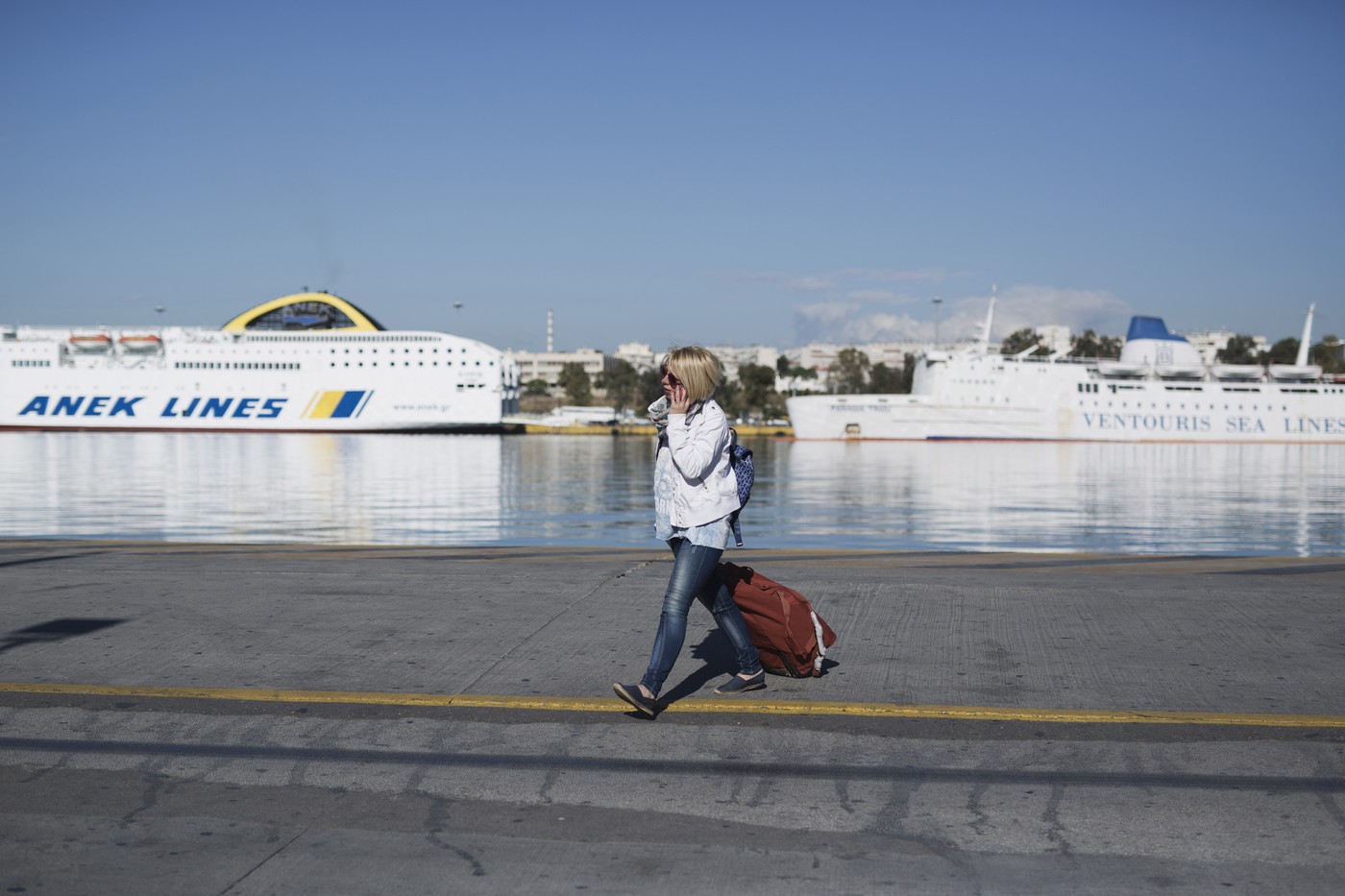
Shipping is also affected. Ships remain anchored in ports during the strike of the Panhellenic Maritime Federation, with all ferry connections to the islands affected.
The Ministry of Foreign Affairs (MAE) has issued a travel warning for Romanians who are or want to go to Greece, stating that all ships remain ashore throughout the day.
Normal activity is expected to resume from Saturday morning, with the strikes officially ending at midnight.
Mobilizations in the great Greek cities
The main trade union confederations in the public and private sectors in Greece are demanding the strengthening of collective rights and measures against inflation. Mobilizations are taking place in the central squares of Thessaloniki and other cities to symbolically mark May 1st, writes the Greek portal in.gr.
Under the slogan “Keeping the flame of struggle alive”, the protests in Athens are organized in several key points: Klafthmonos Square, Korai Square and Syntagma Square. In Piraeus, the gathering takes place in the Municipal Theater Square.
Trade unionists ask the Greek government to implement urgent measures to protect the purchasing power of employees. Demands include immediate wage increases, capping energy and commodity prices, reintroducing collective bargaining agreements and reducing the tax burden on low- and middle-income earners.