Mystery in the Vault: The Story of Jeffrey Epstein's Alleged Farewell Letter, the Document Blocked for 7 Years in a US Court

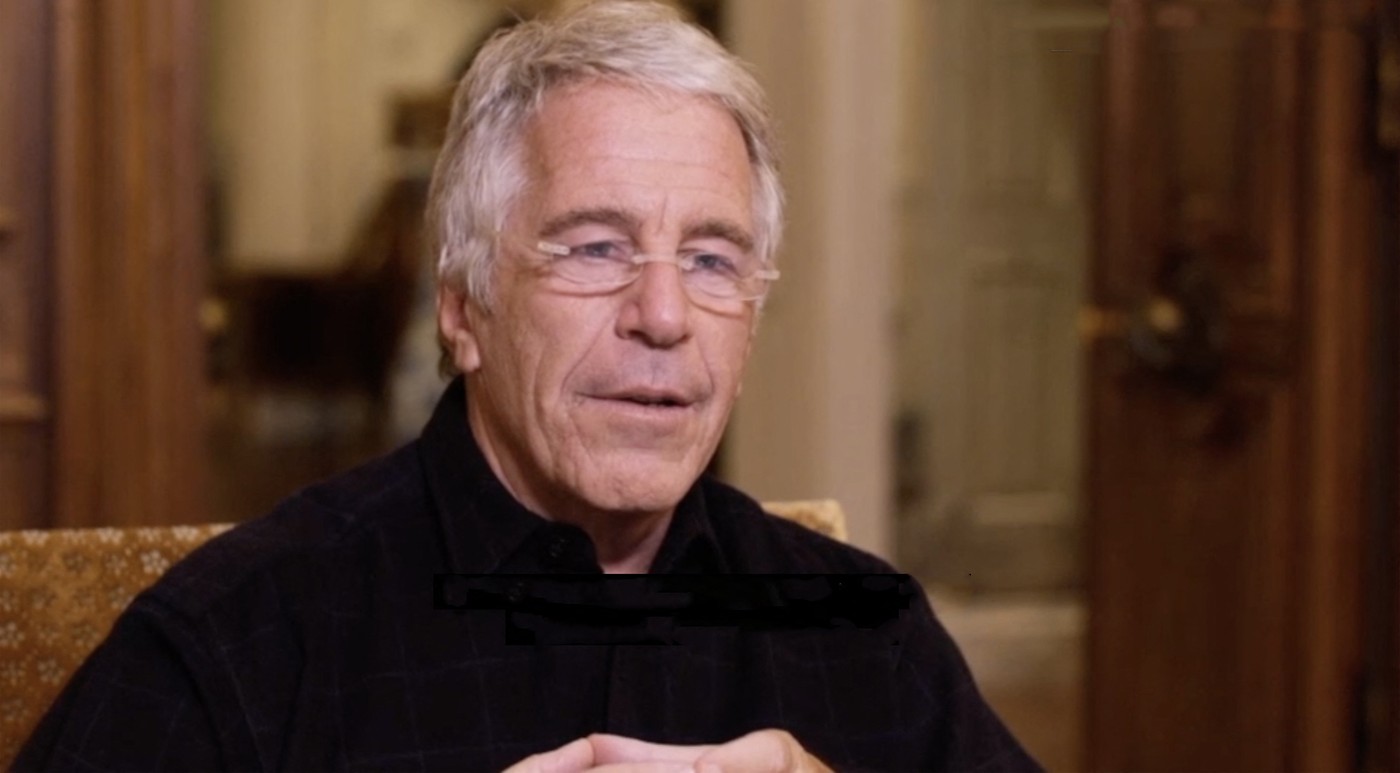
A US court is keeping a possible farewell letter from Jeffrey Epstein under seal. The sample, found by a cellmate in 2019, was hidden from the investigators who investigated the case, writes The New York Times.
Nicholas Tartaglione, a cellmate, said he discovered the note in July 2019, hidden in a graphic novel, after Epstein was found injured in his cell. Epstein survived that incident but was found dead in prison a few weeks later.
The document was sealed by a federal judge as part of Tartaglione's criminal record, according to documents and interviews cited by the US publication. Thus, the investigators investigating Epstein's death did not have what could have been a key piece of evidence.
“It's Time to Say Goodbye”
The New York Times asked the court on Thursday to unseal the ticket. Nicholas Tartaglione claims the message, written on a yellow sheet of paper, contained the phrases: “It's time to say goodbye” and “What do you want me to do, burst into tears?” The ticket also reportedly stated that investigators “found nothing” against Epstein.
Although Tartaglione mentioned the ticket in a podcast last year, the message remained hidden from the public. This secrecy comes despite the Justice Department releasing millions of pages of documents related to the case since December.
A mysterious timeline
The New York Times said it had not seen the document, and a Justice Department spokeswoman said the agency did not have it.
But a cryptic two-page timeline in the files describes how the ticket came to be involved in Tartaglione's lawsuit. The timeline mentions that Tartaglione's lawyers authenticated the ticket, though it doesn't explain how. If it was written by Epstein, the message could provide information about his condition in the weeks before his death, NYY writes.
A Justice Department spokeswoman said that under the federal Epstein disclosure law, the agency “has made exhaustive efforts to collect all documents in its possession.” These efforts included data collection from the Bureau of Prisons and the Office of the Inspector General.
Epstein's death, at the age of 66, was ruled a suicide by the New York medical examiner. However, security lapses at the detention center have given rise to theories about the possibility of a murder.
After the July incident, when prison officials asked him about the marks on his neck, Epstein claimed that Tartaglione had attacked him and denied that he had any suicidal intentions.
What Epstein's cellmate says
Tartaglione, a former police officer convicted of four murders, has consistently denied assaulting Epstein. Jail documents show that a week after the initial accusation, Epstein told officials that he “never had any problems” with Tartaglione and that he felt safe with him.
Tartaglione is currently serving four life sentences, but maintains his innocence and has appealed.
In recent phone interviews, he explained how he found the note after Epstein was moved from his cell and placed on suicide prevention supervision.
“I opened the book to read and there it was,” Tartaglione said, describing the note as a yellow piece of paper torn from a notepad. He handed over the document to his lawyers to defend himself should he be further accused of assault.
The ticket does not appear in official investigations, including the 2023 report by the Office of the Inspector General. However, a timeline from the Epstein files summarizes the document's journey through the court system. According to it, on July 27, 2019, four days after the suicide attempt, Tartaglione told his lawyer, Bruce Barket, about the note.
The timeline indicates that lawyers authenticated the writing in late 2019. “My lawyers wanted to make sure that I didn't write it,” Tartaglione said, adding that they sought the intervention of graphology experts.
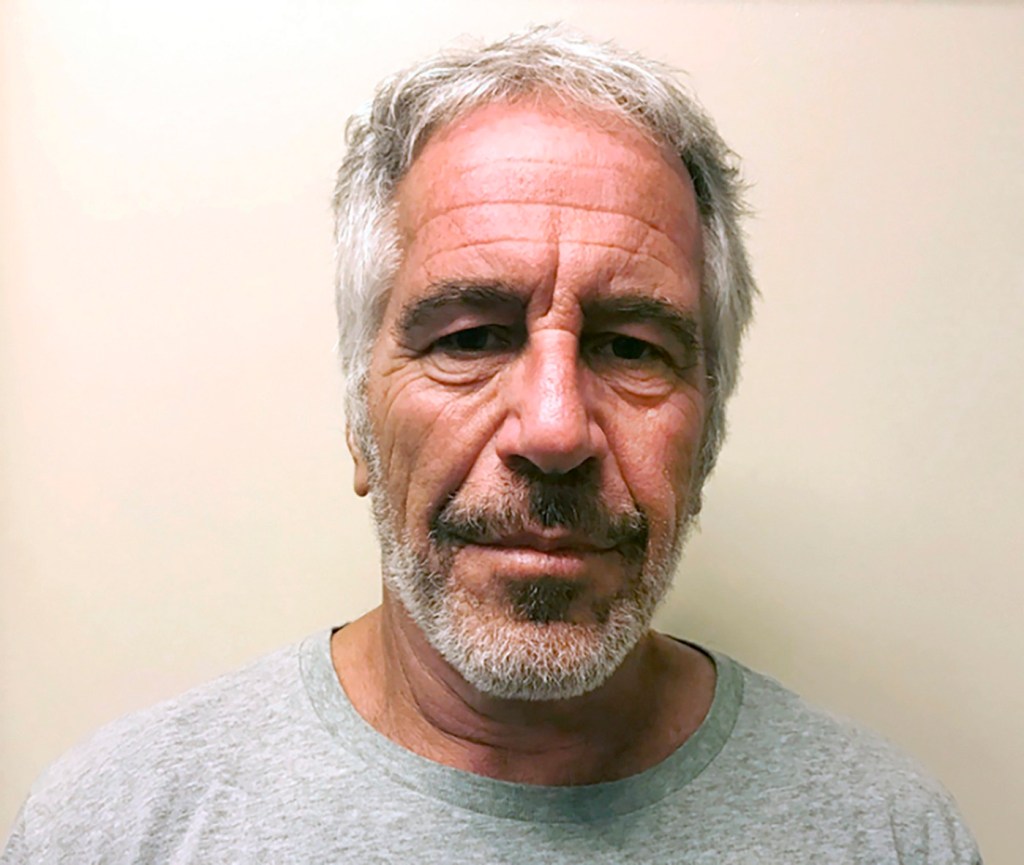
The ticket, in a courthouse vault
Judge Kenneth M. Karas, who is handling Tartaglione's case, eventually ordered the ticket turned over to the court. John Wieder, one of Tartaglione's lawyers, said he took the document to court and handed it to a clerk, but said he did not remember its contents.
The note later became the subject of a long-running dispute between Tartaglione's lawyers. Documents related to this dispute have been classified as secret to protect attorney-client confidentiality. For this reason, the judge appointed an outside lawyer to look into the conflict.
The ticket currently remains in a vault at the White Plains courthouse. A court spokesman declined to comment on the existence of the sealed documents, saying only that they were being kept safe.
Jeffrey Epstein, the convicted sex offender who died in prison in August 2019, had numerous high-profile connections. On January 30, the Department of Justice published millions of new pages from the files, which reveal links with influential figures such as Andrew Mountbatten-Windsor, Bill Gates, Bill Clinton or Donald Trump. All of them have denied any involvement or knowledge of Epstein's illegal activities.