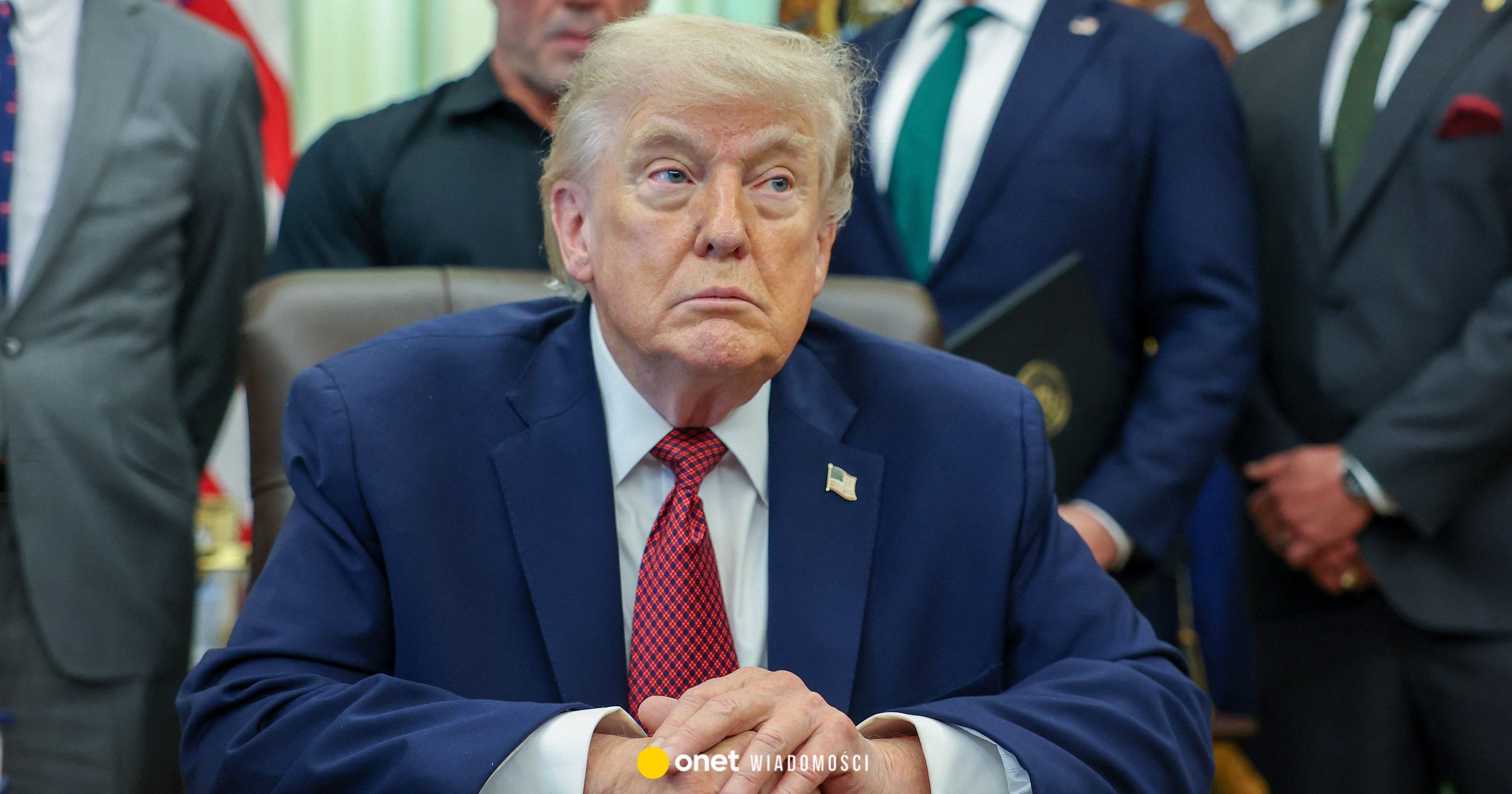
During Trump's first term, support for the head of state fluctuated for a long time about 40 percentalthough its lowest level was 33%. The rates currently recorded are only slightly higher.
Will the war in the Middle East bring down Donald Trump? Support is falling
Trump began his second term in January 2025 with an approval rating of 47 percent However, the head of state's ratings dropped after the US and Israel launched airstrikes on Iran on February 28. In response, Tehran carried out, among other things, attacks on petrochemical installations in the Persian Gulf region and blocked free navigation through the Strait of Hormuz, thereby stopping the export of crude oil from the Middle East. All this caused gasoline prices in the US to rise to over four dollars per gallon (about 3,785 liters).
Military action against Iran is currently supported by only 34 percent, according to a Reuters/Ipsos poll. Americans. This is due to the fact that the war is burdening Americans' home finances. Currently only 22 percent respondents positively assess the president's actions in matters relating to reducing the cost of living, which constitutes down from 25 percent., recorded in the previous Reuters/Ipsos poll.
Dissatisfaction is also growing among supporters of the Republican Party
Trump returned to the office of head of state, among others. thanks to promises to fight high inflation, which was a significant problem during the term of office of his predecessor, Joe Biden.
Although the American president still enjoys the overwhelming support of the majority of his party's supporters (78%), however, 41 percent Republican voters express disapproval of Trump's handling of the rising cost of living.
Mid-term elections in autumn
In November this year There will be midterm elections to Congress, during which the Republican Party will fight to maintain the majority in the House of Representatives and probably also in the Senate. Independent voters may have a decisive influence on the outcome of the vote they now lean more Democratic (34 percent of respondents) than Republicans (20 percent).